Georgia County Rejects 700 Acre Data Centre Campus for the Second Time in Seven Months
County Commissioners Reject Large Data Centre Proposal
Douglas County in the US state of Georgia has rejected a proposed large scale data centre campus for the second time in seven months, following concerns about the development’s potential effects on local communities, natural resources and infrastructure.
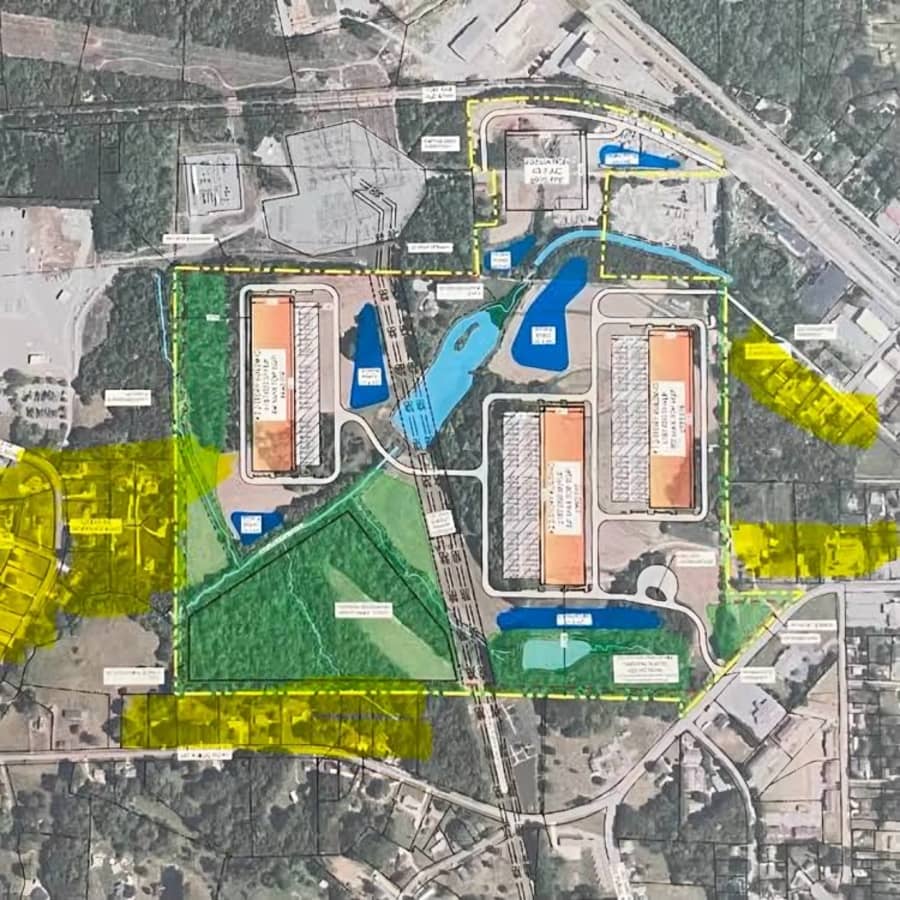
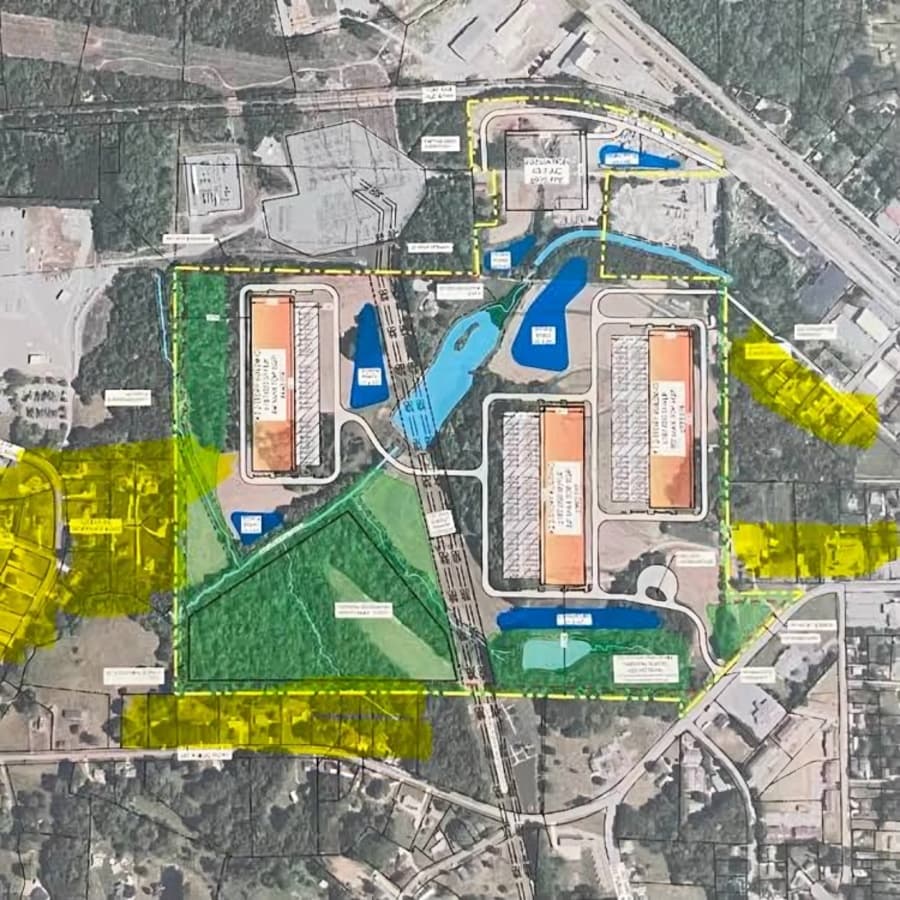
On July 7, 2026, county commissioners voted 4 to 1 against the rezoning request submitted by East Village Dothan LLC, an applicant linked to data centre developer EdgeConneX. The proposal covered approximately 700 acres near Interstate 20 and Liberty Road, outside Villa Rica, and called for around 4.4 million square feet of data centre space.
The decision prevented the project from proceeding under the proposed land use and zoning arrangements. The county’s planning commission had also recommended rejecting the application before the final vote.
The outcome reflects growing debate in parts of the United States over the expansion of data centres and the balance between potential economic benefits and concerns about their effects on surrounding areas.
Details of the Proposed Development
The proposed campus was planned for land south of the Interstate 20 corridor near the Liberty Road exit in western Douglas County. The location is close to Villa Rica and the Carroll County area.
Under the proposal described in local reporting, East Village Dothan LLC sought permission to develop a campus comprising five buildings with a combined floor area of approximately 4.4 million square feet. The project would have required changes to the site’s zoning and land use permissions before construction could proceed.
Data centres house the computer servers and supporting equipment used to operate digital services, cloud computing platforms, online applications and other internet infrastructure. Their operation generally requires reliable electricity, cooling systems and suitable network connections.
Large campuses can support the growing demand for digital storage and computing capacity. However, their scale can also create questions about electricity supply, water requirements, noise, traffic and the compatibility of industrial development with nearby residential areas.
The proposed Douglas County campus became the subject of public debate because of its size and its location near established communities and natural resources.
Residents Raise Environmental and Neighbourhood Concerns
Residents opposing the project raised concerns about how a large data centre campus could affect the surrounding area. Issues discussed in local reporting included noise, water use, electricity demand and the potential impact on neighbourhoods.
Some residents questioned whether the county’s infrastructure and natural resources could accommodate another large development of this type. Water availability and the protection of local watersheds were also part of the broader debate surrounding the proposal.
Data centres can require substantial electricity to operate servers and cooling equipment. Depending on the cooling design and operational requirements, some facilities also use water for temperature management. The precise demand varies between projects, so estimates for one facility should not automatically be applied to another.
Residents also expressed concern about preserving the character of the area. The project’s large land footprint prompted questions about whether the proposed development was compatible with surrounding land uses.
These concerns formed part of the public discussion before commissioners reached their decision. They should not be interpreted as proof that the proposed facility would necessarily have caused a specific level of environmental damage. The final decision was a zoning and land use determination rather than a finding that every concern raised by residents had been independently established.
County Planning Commission Recommended Rejection
The county’s planning commission recommended that the rezoning application be denied before the matter reached the Board of Commissioners.
The final vote on July 7 was 4 to 1 against the request. The result meant the developer could not move forward with the campus under the plan submitted for consideration.
Rezoning decisions determine whether a particular property may be used for a proposed type of development. They allow local governments to assess whether a project is compatible with planning policies, surrounding land uses and community priorities.
For a campus of this scale, the review may involve more than the buildings themselves. Officials can also consider associated infrastructure, utility requirements, traffic, environmental factors and the relationship between the development and long term county planning.
The rejection followed a public hearing that drew residents with differing views. While opponents emphasised environmental and neighbourhood concerns, supporters pointed to the possible financial and employment benefits of large technology projects.
The commissioners ultimately voted against the application.
Economic Benefits Versus Local Impact
Supporters of data centre developments often argue that such facilities can attract investment, create jobs and contribute to local tax revenues. They also play a role in supporting digital services that businesses and individuals increasingly depend on.
Before the hearing, reporting by local media included the developer’s argument that the proposed campus could generate approximately 200 to 300 permanent jobs. That figure represented a projected benefit, not a confirmed employment outcome, because the project did not receive the necessary approval to proceed under the proposal.
The economic case for a data centre must also be considered alongside its requirements for land, electricity, water and supporting infrastructure. Residents and local authorities may weigh these potential costs against projected tax income, employment and investment.
The debate in Douglas County illustrates the challenges local governments face when considering developments that support the digital economy but have substantial physical footprints.
A data centre may provide services used across a wide geographical area, while many of its immediate effects, including construction activity, utility demand and operational noise, are concentrated around the site.
What Happens to the Project Now?
The July 7 vote rejected the application as submitted. It does not, by itself, establish whether the applicant will abandon the site permanently, seek another review or submit a revised proposal in the future.
Any further development would depend on the applicant’s decisions and the applicable local planning and zoning procedures. No future approval should be assumed unless the county or developer confirms a new step.
The proposal’s repeated rejection also highlights the importance of community engagement and early assessment of environmental and infrastructure requirements for major developments.
As demand for cloud computing and other digital services continues to grow, data centre projects are likely to remain a subject of debate in communities across the United States. Local officials will continue to face questions about how to accommodate investment while protecting neighbourhoods, public resources and long term planning goals.
For Douglas County, the immediate outcome is clear: commissioners rejected the rezoning request by a 4 to 1 vote, preventing the proposed 700 acre campus from proceeding under the submitted plan. Whether the site returns to the planning process will depend on any future action by the applicant and county authorities.