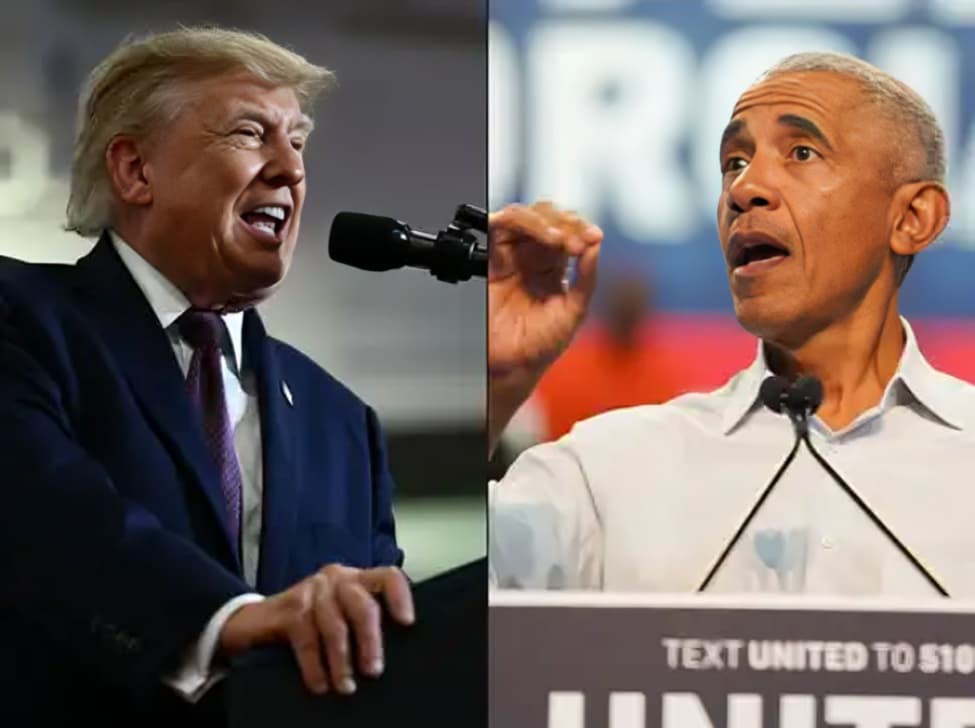
Obama Criticises Trump Administration Over Response to Cheesecake Factory Joke
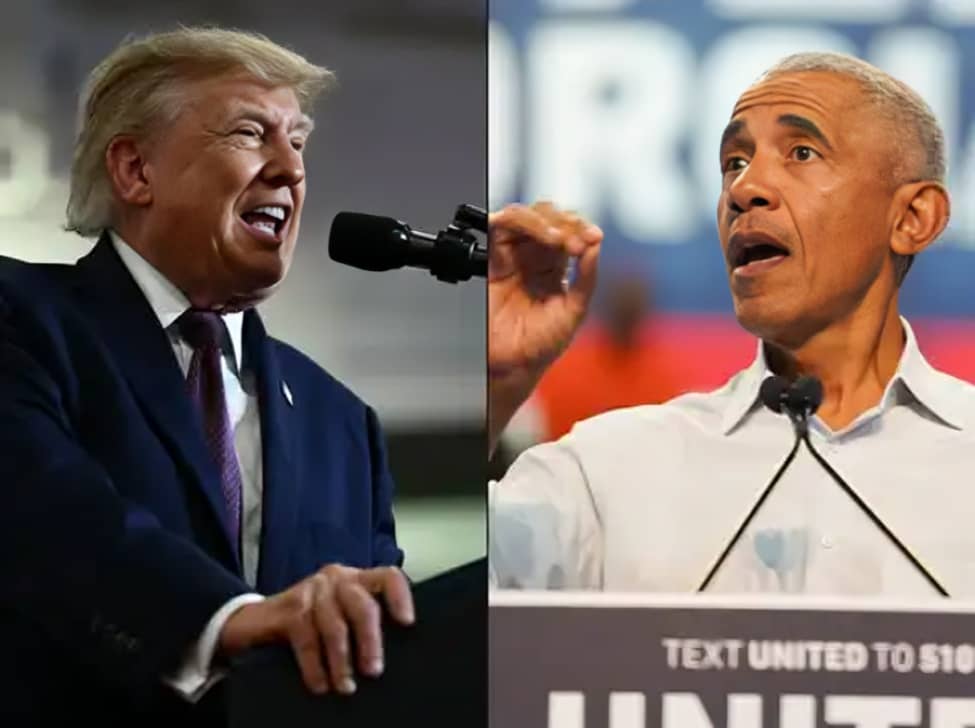
Former US President Barack Obama has criticised President Donald Trump and his administration over their response to a joke about the White House renovations. Speaking at a Democratic campaign rally in Georgia on October 28, Obama argued that the administration appeared more concerned about defending the president’s interior decoration choices than addressing inflation and the rising cost of living in the United States.
The controversy began after Obama made a remark during a campaign appearance in Ohio. He compared the White House’s gold-coloured decorations and renovation work under Trump to a situation in which former Iraqi leader Saddam Hussein had opened a Cheesecake Factory restaurant. The comment was intended as a criticism of what Obama described as the excessive focus on decorating and renovating the presidential residence.
The joke attracted a strong response from Trump and Republican supporters. Trump defended the renovation work, arguing that improvements were necessary to maintain the White House and that he had taken steps to improve its condition. His response kept the disagreement in the political spotlight and prompted further exchanges between the former and current presidents.
Obama Questions the Administration’s Priorities
At the Georgia rally, Obama said the reaction to his joke illustrated what he viewed as misplaced priorities within the administration. He argued that officials had not responded with the same urgency to his criticism of rising prices and concerns about the economic pressure facing American households.
Obama said the administration had mobilised a response to the Cheesecake Factory remark rather than focusing on inflation. He also questioned why Treasury Secretary Scott Bessent had become involved in the controversy surrounding the restaurant comparison.
The former president suggested that the Treasury secretary’s principal responsibility should be addressing economic challenges, including affordability and inflation, rather than participating in a public dispute over a political joke.
Obama’s comments formed part of a broader criticism of Trump’s leadership and the administration’s approach to economic policy. He argued that Americans were looking for practical solutions to everyday financial concerns and that political leaders should concentrate on issues affecting household budgets.
His remarks were political criticism rather than an independent assessment of the administration’s economic performance. The disagreement highlights the competing arguments presented by Democrats and Republicans over the government’s priorities and its response to the cost of living.
Obama Defends His Cheesecake Factory Reference
Obama also addressed suggestions that his joke reflected a lack of familiarity with an ordinary restaurant enjoyed by many Americans. He referred to his experience as a father of two daughters and said that restaurants such as the Cheesecake Factory, Chuck E. Cheese and California Pizza Kitchen had been part of his family’s life.
By mentioning these restaurants, Obama sought to challenge the criticism that his remark was intended to look down on people who visit the chain. He presented the joke as a comment about the White House’s decoration rather than an attack on the restaurant or its customers.
The Cheesecake Factory reference became a central part of the political exchange, drawing attention away from the original argument about presidential renovations and economic concerns. The dispute also demonstrated how a humorous campaign remark can become a wider political issue when opposing parties use it to challenge each other’s public image.
Trump Defends White House Renovations
Trump has defended changes made to the White House, saying that the building required improvements and that maintaining the presidential residence was important. He also pushed back against Obama’s criticism of the decorations and renovations.
The disagreement reflects a wider political debate about the president’s attention to construction projects and the appearance of the White House. Obama has argued that the president should focus more heavily on public concerns, while Trump has presented the renovation work as necessary improvements to an important national building.
The White House is both the president’s official residence and a prominent symbol of the United States government. Changes to its interiors, gardens and surrounding areas can attract public interest, particularly when they become part of a political dispute.
However, the two sides have interpreted the controversy differently. Obama has used the episode to question the administration’s priorities, while Trump has defended the work and criticised the former president’s remarks.
Economic Concerns Remain Central to the Political Debate
Obama’s criticism comes amid a wider political debate over inflation, tariffs, consumer prices and the cost of living in the United States. For many households, the prices of groceries, fuel, housing and other essential expenses remain important issues when evaluating the government’s performance.
At the rally, Obama argued that the administration should give greater attention to these concerns instead of allowing a dispute over a joke to dominate public discussion. He also criticised what he described as a lack of seriousness among those in power and called for leaders to concentrate on practical solutions.
Economic conditions are influenced by several factors, including government policies, global markets, supply chains and international developments. Therefore, political claims about the causes of inflation require careful examination of economic data and independent analysis.
The rally also formed part of the campaign activity ahead of the US midterm elections scheduled for November 3, 2026. Obama appeared in Georgia to support Democratic candidates, including Senator Jon Ossoff and gubernatorial candidate Keisha Lance Bottoms. Trump was campaigning in Ohio during the same period, highlighting the competing efforts by both parties to reach voters.
Political Exchange Continues
The Cheesecake Factory controversy has developed into another public disagreement between Obama and Trump. What began as a joke about the White House’s appearance has expanded into a debate about political communication, government priorities and the economic challenges facing American families.
Obama has argued that the administration’s response illustrates an excessive focus on criticism and publicity. Trump, meanwhile, has defended the renovation work and rejected the former president’s characterisation of it.
The episode is likely to remain part of the wider political conversation as the midterm election campaign approaches its final days. Voters will also be considering issues such as the economy, government spending, public services and the performance of elected officials.
The central disagreement is not simply about the decorations inside the White House. It reflects a broader contest over which issues deserve the most attention from political leaders and how effectively the administration is responding to the concerns of American households.