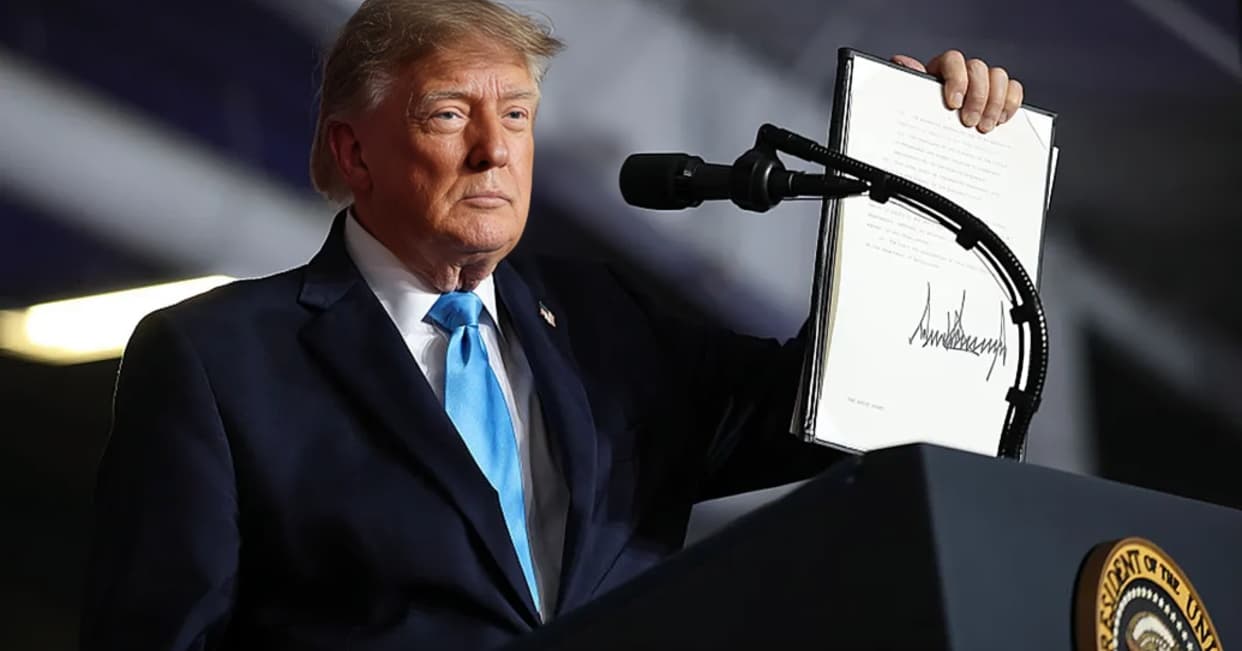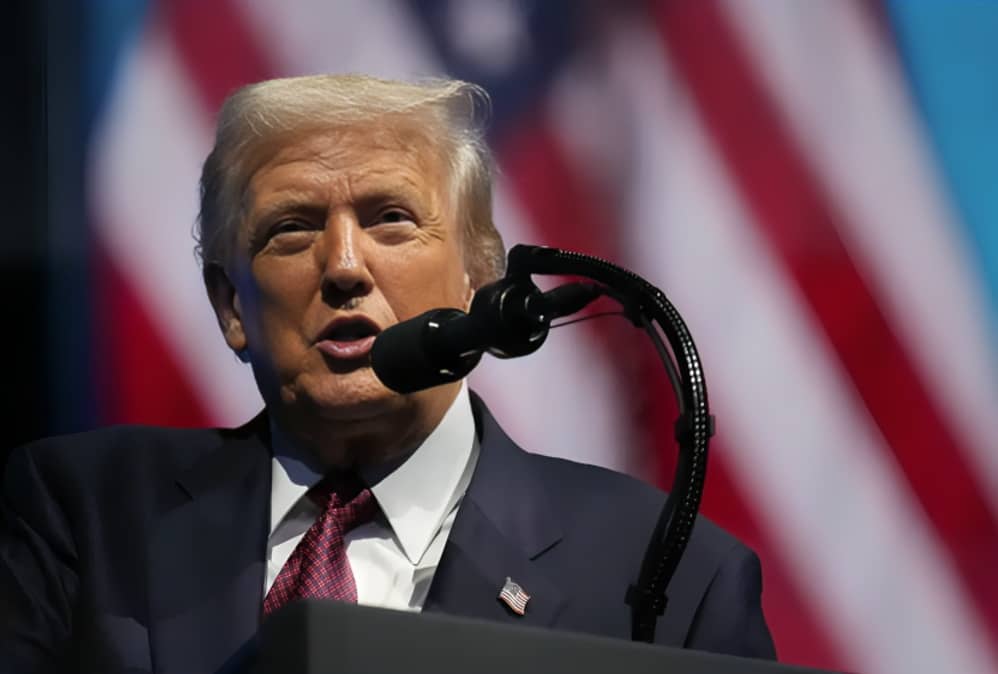
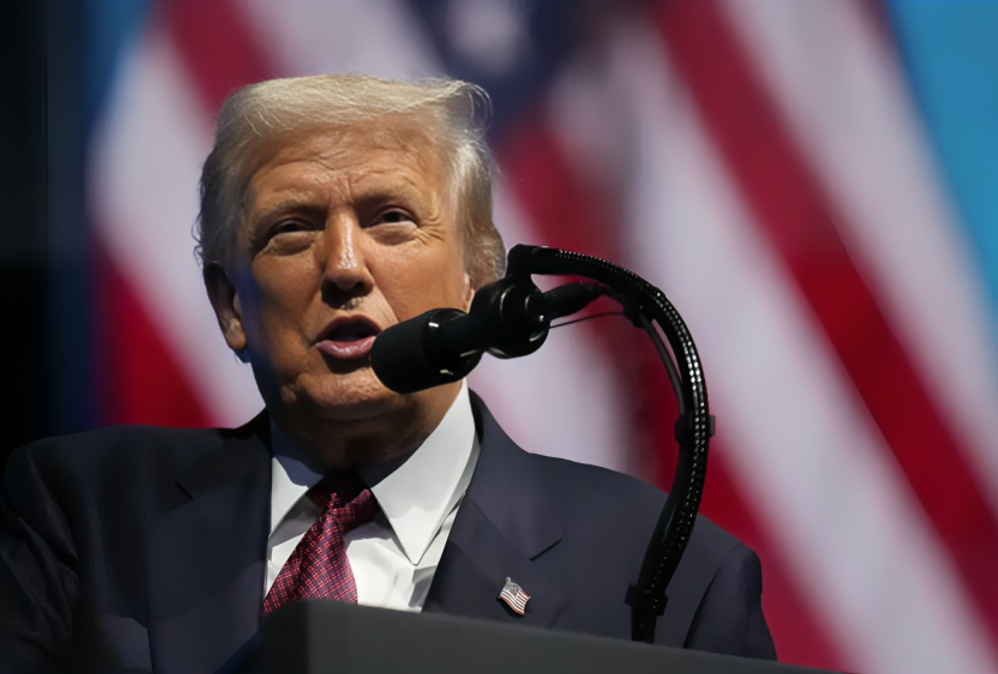
US President Donald Trump has announced that taxpayer money will no longer be used to fund a controversial series of television advertisements featuring him and promoting his administration. Instead, future advertisements will be financed through MAGA Inc., the political action committee supporting Trump and his political agenda.
The decision comes after growing criticism from lawmakers, ethics experts and political opponents over the use of federal funds for advertisements that critics described as campaign-style political messaging. The controversy has also attracted criticism from some Republicans, making the issue more politically significant ahead of the November congressional elections.
Trump announced the change on October 5, saying that he had decided to pay for what he described as patriotic advertisements with money raised for MAGA Inc. A White House official later indicated that the political action committee would pay for the advertisements going forward.
Trump had defended the advertisements as positive promotions for the United States and argued that the use of government money was a standard practice. However, the administration faced increasing pressure over the decision to use taxpayer-funded resources for the television campaign.
The advertisements have been broadcast nationally and have featured Trump discussing themes including patriotism, national security, economic policies and his vision for the country. Some advertisements have used imagery associated with Trump's presidency and messages about what the administration describes as America's progress.
The White House has maintained that the advertisements are public service announcements rather than campaign advertisements. Officials have argued that Trump is not a candidate in the upcoming midterm elections and that the advertisements do not contain a direct request for viewers to vote for him.
However, critics have challenged that explanation. They argue that the timing, content and presentation of the advertisements make them appear similar to political campaign material. Some legal and ethics experts have questioned whether federal funds can be used for communications that could benefit a political party or candidate.
The controversy intensified after reports that the Department of Homeland Security had allocated millions of dollars in taxpayer funds for the advertising campaign. The campaign initially involved funding of up to $20 million, according to reporting on federal spending records. At least $2.5 million had reportedly been spent on the advertisements at the time of earlier reviews, although the full allocation and spending figures have been the subject of continuing scrutiny.
The advertisements were reportedly financed using money connected to Department of Homeland Security resources. Critics in Congress questioned whether those funds were authorized for political-style television advertising. Some lawmakers called for investigations into the spending and argued that taxpayer money should not be used to promote a sitting president.
Democratic lawmakers have been particularly critical of the advertisements. They have argued that government funds should be used for purposes authorized by Congress rather than for communications that could strengthen a president's political standing. Some lawmakers have requested investigations by independent government oversight bodies.
The controversy has also drawn criticism from some Republicans. Republican Senator John Thune previously said he supported the message of the advertisements but did not believe they should be paid for with taxpayer money. Other Republican lawmakers have similarly raised concerns about the use of public funds for political-style communications.
The White House, however, has rejected the characterization of the advertisements as campaign material. Administration officials have compared the spending with public service announcements used by previous presidential administrations. They have argued that governments have historically purchased television advertising to communicate with the public about national priorities and government policies.
Fact-checking and legal experts have disputed whether the current advertisements are comparable to traditional government public service announcements. Some experts have pointed to federal restrictions on the use of appropriated funds for publicity or propaganda purposes. The exact legal status of the advertisements remains subject to interpretation and potential investigation.
One major point of criticism has been the availability of private political funds that could have been used for the advertising campaign. MAGA Inc. has substantial financial resources and has already been involved in spending on political advertising connected to the 2026 midterm elections. Reports have placed the group's available funds at hundreds of millions of dollars.
Trump's decision means that future advertisements of this type are expected to be financed by MAGA Inc. rather than directly through federal government funding. This change could reduce immediate criticism over the use of taxpayer money, although questions about advertisements that have already aired and the legality of their original funding may continue.
The shift also comes at a politically sensitive time in the United States. The November congressional elections are approaching, and both Republicans and Democrats are investing heavily in television and digital advertising. Political groups aligned with Trump are already spending significant sums to support Republican candidates and promote the administration's policies.
The dispute illustrates the continuing debate in the United States over the boundary between government communication and political campaigning. Government agencies routinely use public funds to inform citizens about laws, programs and public services. However, critics argue that such communications should not cross into partisan promotion or provide an electoral advantage to a political party or candidate.
For Trump, moving the funding to MAGA Inc. provides a way to continue the advertising campaign without relying on taxpayer funds for future broadcasts. For critics, however, the decision does not necessarily resolve questions surrounding the money already spent.
The advertisements and their funding are therefore likely to remain under scrutiny as lawmakers, ethics experts and government oversight bodies examine whether federal resources were used for an appropriate government purpose. Any final determination about potential legal violations would depend on investigations and official findings rather than political claims from either side.
For now, the central development is that Trump has said taxpayers will no longer pay for the controversial television advertisements. MAGA Inc., his political action committee, is expected to finance future advertisements, while the debate over the earlier use of government funds continues.