US Federal Court Dismisses Trump Administration's Lawsuit Seeking Harvard Admissions Records
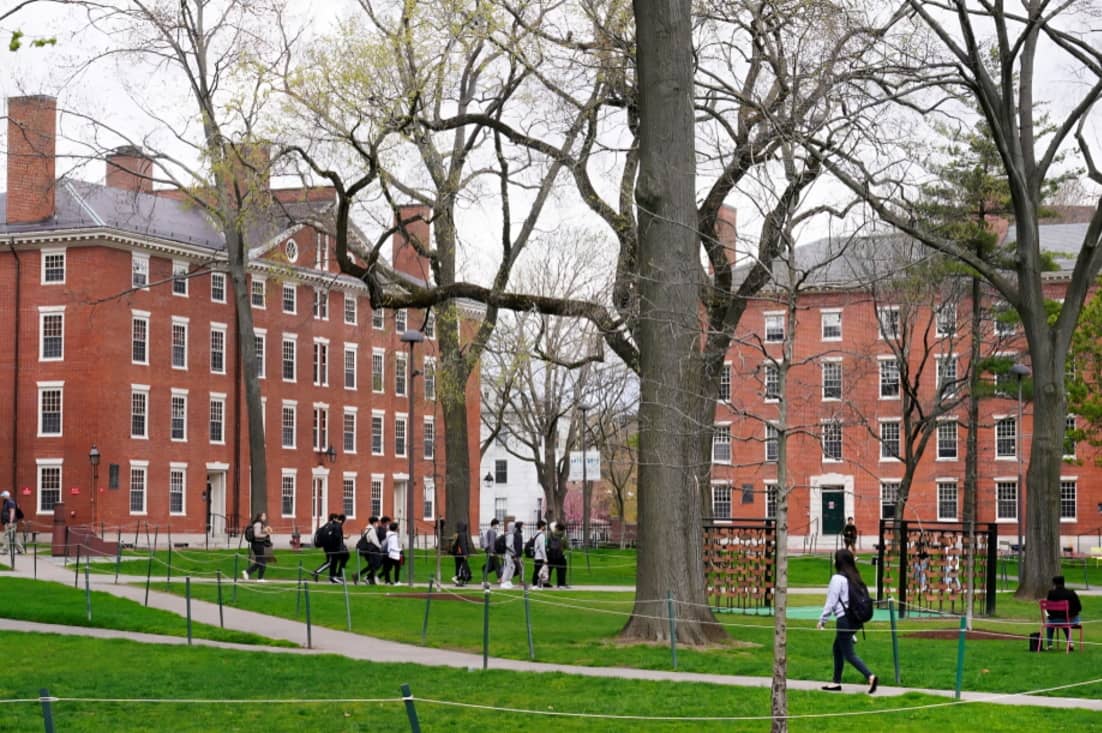
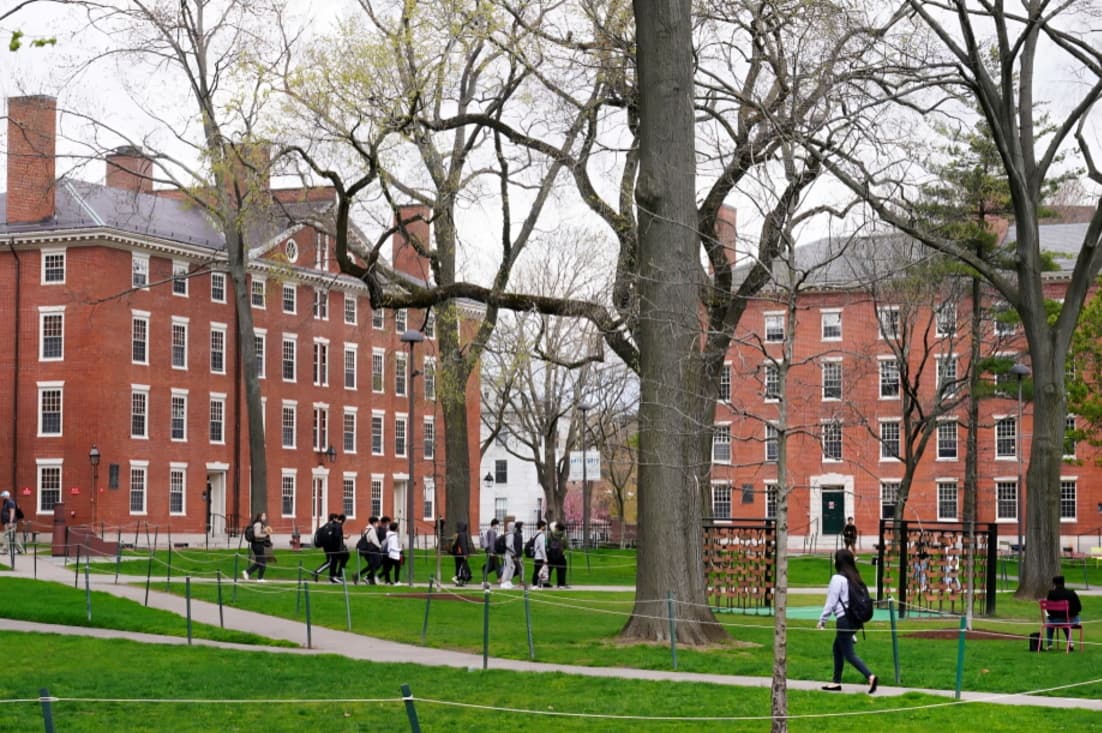
A federal judge in the United States has dismissed the Trump administration's lawsuit seeking detailed student admissions records from Harvard University. The case was filed by the US Department of Justice as part of an investigation into whether the university continued considering race in its admissions process after the US Supreme Court's 2023 ruling against race-conscious college admissions.
US District Judge Myong Joun dismissed the lawsuit on November 2, 2026, ruling that the federal government had not adequately followed the required legal procedures before approaching the court. The judge found that the Justice Department had failed to demonstrate that it had taken the necessary steps to obtain Harvard's voluntary compliance with its information requests.
The decision represents a procedural setback for the Trump administration. However, it does not settle the wider dispute over Harvard's admissions practices or prevent the government from pursuing the matter again after correcting the procedural shortcomings.
Why the Trump Administration Filed the Lawsuit
The US Department of Justice initiated an investigation into Harvard's admissions practices to examine whether the university was complying with the Supreme Court's 2023 decision restricting the use of race in college admissions.
The administration sought several years of applicant-level admissions records from Harvard's undergraduate, medical and law schools. The requested information included applicants' academic records, test scores, essays, extracurricular activities, race and ethnicity details, and admission outcomes.
The Justice Department argued that access to these records was necessary to determine whether race continued to influence admissions decisions despite the Supreme Court ruling.
The administration maintained that institutions receiving federal funding must comply with Title VI of the Civil Rights Act of 1964, which prohibits racial discrimination in federally funded education programmes.
The lawsuit sought a court order requiring Harvard to provide the requested information. The government argued that the university had not adequately cooperated with its investigation and had delayed the production of relevant records.
Judge Identifies Procedural Failures
Judge Myong Joun ruled that the federal government had not demonstrated that it completed the legally required steps before seeking judicial enforcement of its information requests.
Under the applicable legal framework, government agencies must make appropriate efforts to secure voluntary compliance before asking a court to enforce certain administrative demands.
The judge found that the Justice Department's complaint did not adequately establish that Harvard had been informed of the specific compliance failures identified by the government or clearly notified that litigation would follow if the university did not comply.
The court also found that the Education Department had not adequately demonstrated that it completed the required procedural steps before its admissions investigation was incorporated into the Justice Department's lawsuit.
The judge's decision focused on these administrative and legal requirements rather than the substance of the government's investigation.
The ruling makes clear that federal agencies must follow established procedures when seeking sensitive institutional records through court action.
Harvard Had Challenged the Government's Demands
Harvard University opposed the lawsuit and asked the court to dismiss it. The university argued that the government's requests for individual admissions records were excessive and that the administration had not followed the appropriate procedures before filing the case.
Harvard also maintained that it had already provided substantial information relating to its admissions practices. The university said it had submitted more than 2,000 pages of documents but had objected to handing over individual applicant records.
The university's legal team argued that the lawsuit was part of a broader campaign by the Trump administration against Harvard after it refused demands for changes to its governance, hiring practices and academic programmes.
Harvard described the legal action as retaliatory. However, the judge did not decide whether the lawsuit was motivated by retaliation or whether the administration's broader actions against the university were unlawful.
Those arguments formed part of Harvard's position in the dispute and were not established as findings in the court's decision.
Background of the 2023 Supreme Court Ruling
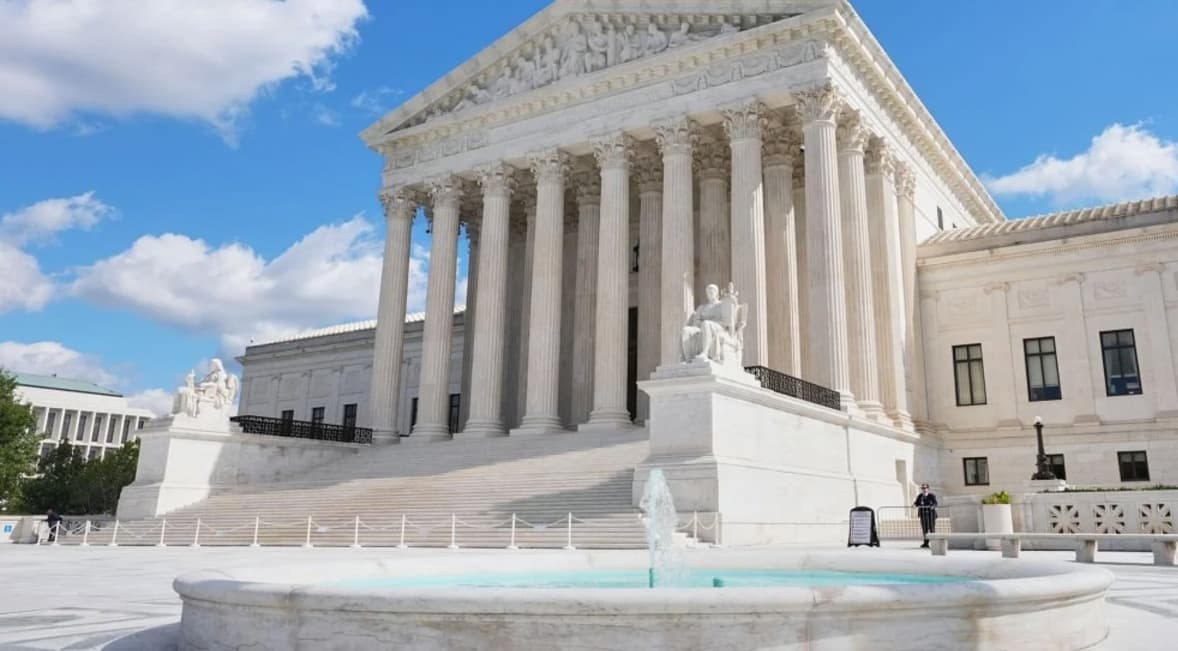
The dispute is connected to the US Supreme Court's landmark 2023 decision on affirmative action in higher education.
The Supreme Court ruled against the race-conscious admissions programmes used by Harvard University and the University of North Carolina. The decision significantly restricted the ability of colleges and universities to consider race as a factor in student selection.
Following the ruling, educational institutions across the United States faced increased scrutiny over their admissions policies and practices.
The Trump administration has argued that universities must demonstrate compliance with the Supreme Court's decision and federal civil rights laws. Its investigations have focused on whether institutions continue to use race, directly or indirectly, in admissions decisions.
Harvard's case became one of the most prominent legal disputes arising from these federal investigations.
The government argued that detailed applicant-level records were necessary to examine admissions outcomes and determine whether race continued to play a role in selection.
What the Court's Decision Means for Harvard
The dismissal is a legal victory for Harvard in its immediate dispute with the federal government over admissions records.
However, the decision does not mean that Harvard has been cleared of every possible allegation relating to its admissions practices. The judge specifically limited the ruling to the procedural requirements that the government needed to satisfy before seeking judicial enforcement.
The court did not determine whether Harvard had discriminated against applicants based on race. It also did not decide whether federal agencies could legally request properly defined applicant-level information or whether Harvard might eventually be required to provide those records.
The distinction is important because the underlying investigation remains separate from the procedural question addressed by the court.
The administration may continue pursuing its investigation if it follows the necessary legal requirements.
Trump Administration Can File Another Case
The lawsuit was dismissed without prejudice. This means that the government is not permanently barred from bringing another case involving the same dispute.
The Justice Department could take additional administrative steps, provide the required notices and make further efforts to obtain Harvard's voluntary compliance before seeking judicial enforcement again.
Therefore, the court's ruling does not bring the broader disagreement between the administration and Harvard to an end.
The outcome will depend on whether the federal government decides to correct the procedural shortcomings and renew its legal effort to obtain the admissions records.
Wider Dispute Between Trump Administration and Harvard
The admissions records case is part of a wider conflict between the Trump administration and Harvard University.
The university has faced several federal actions and investigations involving funding, international student programmes, campus policies and allegations of discrimination.
The administration has argued that its actions are intended to ensure that universities comply with federal law and government requirements attached to public funding.
Harvard, meanwhile, has challenged several of the administration's actions in court, arguing that the government is attempting to interfere with its institutional independence and academic decisions.
The latest ruling adds another development to this ongoing legal dispute.
What Happens Next
The immediate outcome is that the Trump administration's lawsuit seeking Harvard's admissions records has been dismissed because the government did not adequately demonstrate compliance with the required procedures.
The decision does not resolve the underlying questions about Harvard's admissions policies, the legality of the government's information requests or the university's obligations under federal civil rights law.
The Justice Department may pursue the matter again after addressing the procedural issues identified by the judge.
For Harvard, the ruling provides temporary relief from the current lawsuit, but the possibility of renewed federal action remains.
The case is likely to remain significant in the wider debate over affirmative action, university independence, federal oversight and equal treatment in American higher education.