US Supreme Court Rejects Trump Administration's Bid to Set Aside Disputed California Mail Ballots
The United States Supreme Court has rejected an emergency request from President Donald Trump's administration seeking to prevent California from counting disputed mail-in ballots ahead of the 2026 midterm elections. The decision came on November 2, just hours before voting concluded in the closely watched congressional elections.
The Justice Department had approached the Supreme Court after lower courts declined to grant its request to require California election officials to separate ballots associated with more than 20,000 registered voters whom federal authorities suspected of being non-US citizens. The administration wanted the ballots to be kept aside until the citizenship status of the individuals concerned could be verified.
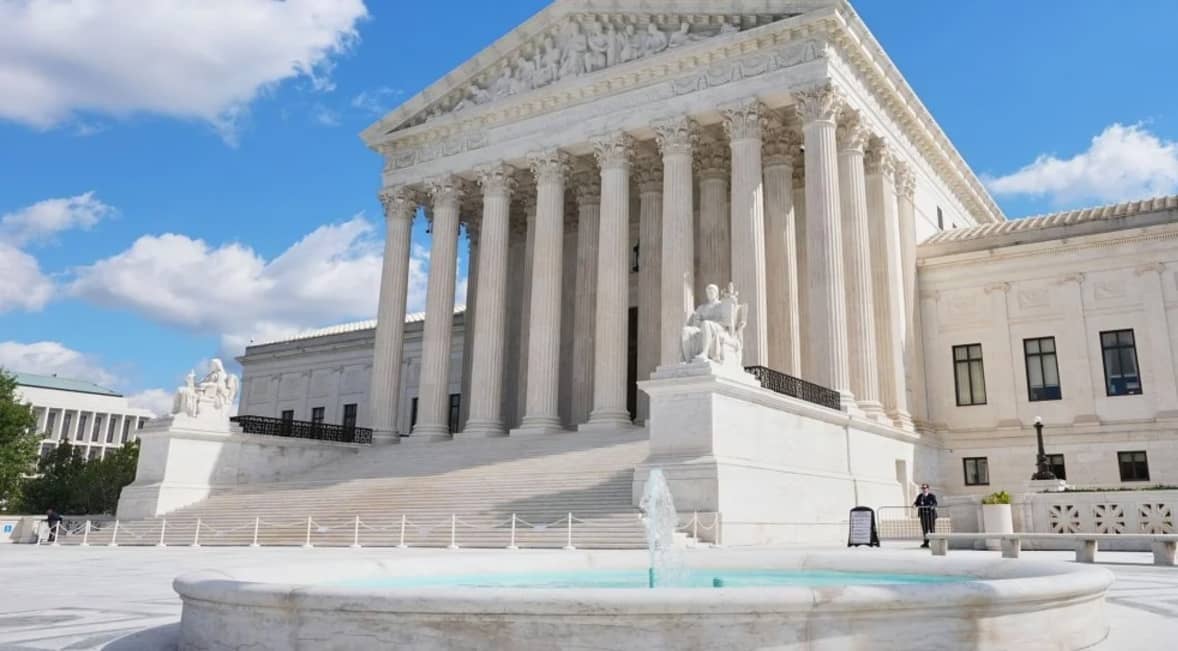
The Supreme Court rejected the request through a brief, unsigned order. The court did not provide a detailed explanation for its decision, and no justices publicly recorded a dissent. The ruling meant that the administration did not obtain the emergency order it had sought to require California officials to segregate the disputed ballots.
Dispute Over More Than 20,000 Voter Records
The legal dispute began after the federal government shared a list of more than 20,000 people whom it identified as likely noncitizens on California's voter registration records. The administration argued that ballots connected to these individuals should not be counted until their citizenship status had been checked.
Federal authorities said their request was intended to ensure that only eligible citizens participated in federal elections. US law prohibits noncitizens from voting in federal elections. The Justice Department argued that separating the ballots temporarily would preserve the possibility of reviewing their eligibility before the votes were counted.
However, California officials questioned the reliability of the federal government's list. They argued that the information could contain inaccurate records and might wrongly identify US citizens as noncitizens. State officials warned that following the administration's demand could prevent eligible voters from having their ballots counted.
The disagreement became particularly urgent because California's election process was already underway. The state conducts voting largely through mail ballots, and election officials said that separating the disputed ballots at such a late stage could create significant administrative difficulties.
Lower Courts Also Rejected the Administration's Request
Before approaching the Supreme Court, the Trump administration had sought relief from lower federal courts. A district court judge declined to order California to separate the ballots, raising concerns about the accuracy of the federal government's identification process and the possible consequences for eligible voters.
The administration subsequently appealed. A divided panel of the US Court of Appeals for the Ninth Circuit also declined to grant the requested emergency relief. The appeals court considered the potential impact on California's election procedures and the risk that eligible voters could be disenfranchised.
After those setbacks, the Justice Department submitted an emergency application to the Supreme Court on November 2. It asked the justices to intervene before the midterm election process reached its final stage.
The Supreme Court acted quickly and rejected the application. Its short order did not explain the legal reasoning behind the decision. The court's action was limited to the emergency request and should not be interpreted as a detailed ruling on every legal question raised in the wider dispute.
California Raises Concerns About Eligible Voters
California officials maintained that the federal government's list was not sufficiently reliable to justify separating the ballots. They argued that errors in government records or voter identification information could result in citizens being wrongly included among those suspected of being noncitizens.
The state also pointed to its existing election procedures and safeguards for determining voter eligibility. California officials said that the administration's proposed action could interfere with the state's responsibility to administer elections and create uncertainty during the vote-counting process.
The dispute raised broader questions about the division of authority between the federal government and individual states in administering elections. While federal law establishes rules governing eligibility for federal elections, states have a central role in managing voter registration, ballot processing and election administration.
The administration argued that federal law should be enforced and that the disputed ballots should remain separate until the individuals' citizenship status was confirmed. California, meanwhile, maintained that the proposed action could affect lawful voters because the federal list had not been established as accurate.
Decision Comes at a Critical Moment for US Midterm Elections
The Supreme Court's decision came at a significant moment in the 2026 midterm election campaign. The elections are important because voters are choosing members of Congress who will influence the legislative agenda during the remaining years of Trump's second presidential term.
Republicans are seeking to retain control of Congress, while Democrats are attempting to gain seats and challenge the administration's legislative priorities. California is particularly important in the national political landscape because it has a large number of congressional seats and is a major centre of Democratic support.
The dispute over mail ballots added another legal and political issue to an already closely watched election season. The administration's request focused on the eligibility of voters identified through federal records, while state officials raised concerns about the possibility of incorrectly excluding eligible citizens.
The Supreme Court's refusal to intervene meant that the Trump administration did not secure the emergency relief it had requested. The decision also left the lower courts' rejection of the proposed ballot-segregation order in place.
What the Supreme Court's Order Means
The Supreme Court issued a short order and did not provide a detailed explanation. Therefore, the decision should be understood specifically as a rejection of the administration's request for immediate intervention in the California ballot dispute.
It does not amount to a comprehensive judgment on every question concerning noncitizen voting, federal oversight of elections or the constitutional responsibilities of state election officials. Those broader legal issues may remain subjects of litigation and public debate.
The case highlights the importance of accurate voter records and careful verification procedures, particularly when election-related decisions could affect the right of eligible citizens to vote. It also demonstrates the challenges that arise when federal and state authorities disagree over how election laws should be implemented shortly before voting concludes.
With the Supreme Court declining to grant the administration's emergency request, California's election officials were not ordered by the high court to set aside the disputed ballots. The ruling became a significant legal development in the final hours before the 2026 US midterm elections.