US Midterm Elections 2026: Eight Key Points on What Is at Stake and When India Will Know the Results
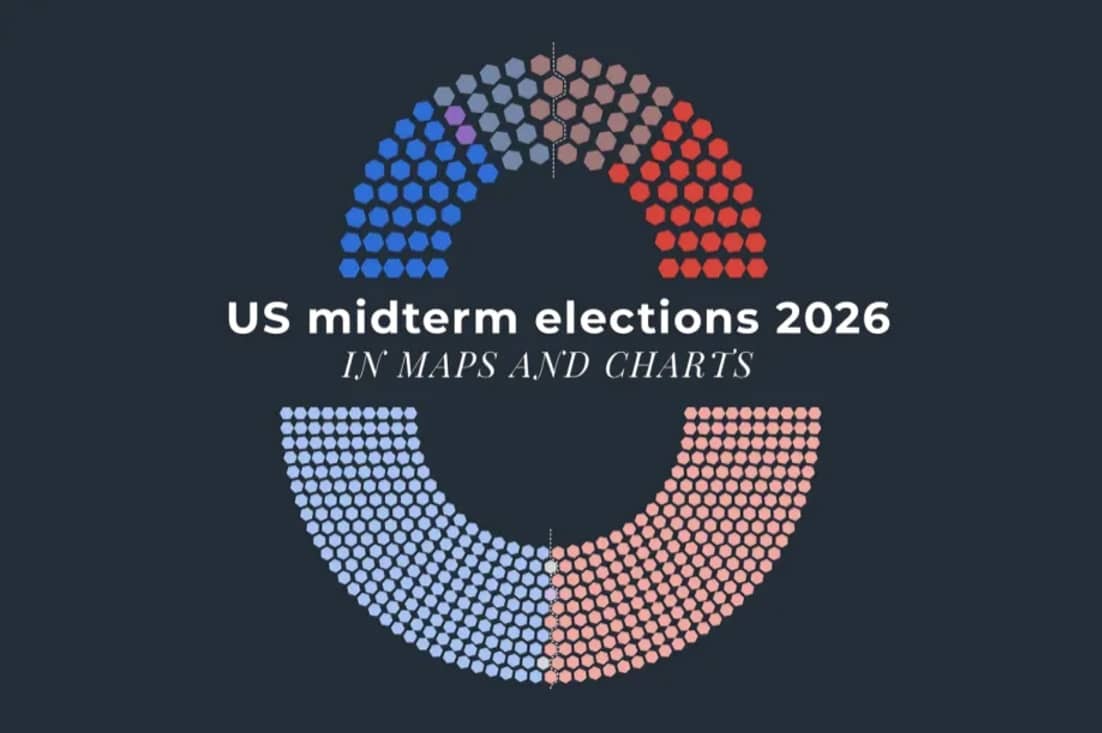
The United States is preparing for its 2026 midterm elections on Tuesday, November 3. The election is significant because it will determine which political party controls Congress during the final two years of President Donald Trump’s current term. Voters will decide all 435 seats in the House of Representatives, 35 seats in the Senate and 36 governorships.
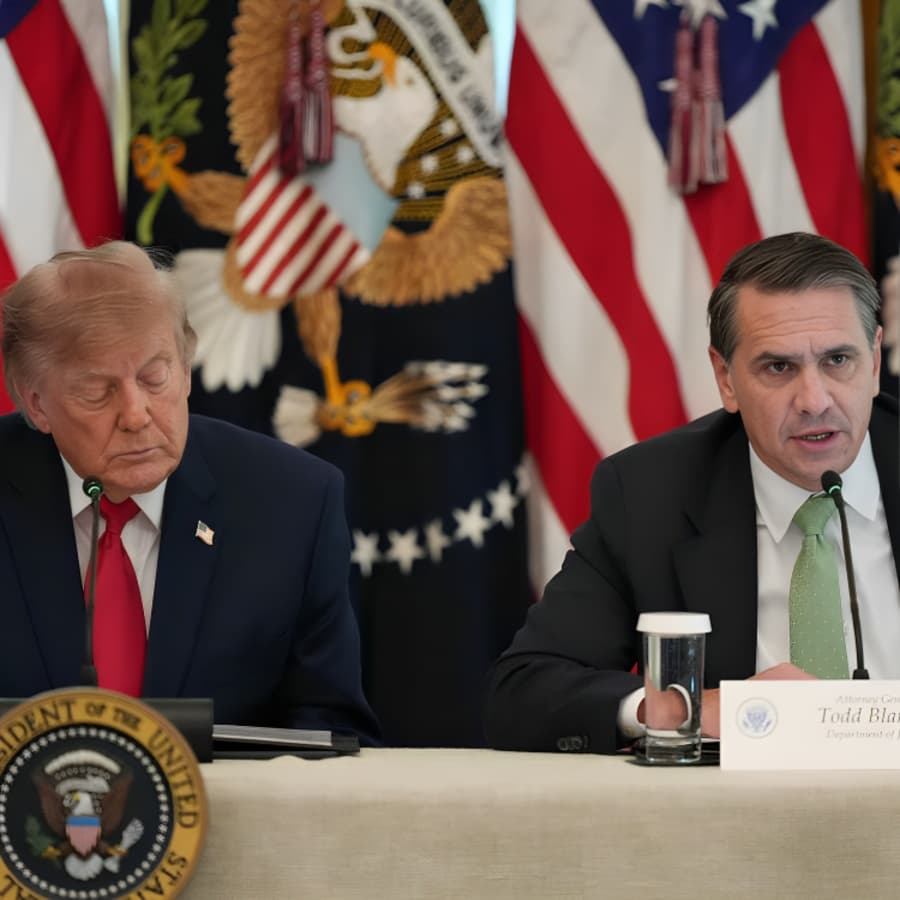
Although President Trump is not contesting the election, the outcome will have a direct impact on his administration’s ability to pass legislation, approve government spending and implement its political agenda. Here are eight important points to understand before Election Day.
1. All 435 House Seats Are Being Contested
Every seat in the US House of Representatives is up for election. Members of the House serve two-year terms, which means all 435 seats are contested during every congressional election cycle.
Republicans currently hold a narrow advantage in the chamber, with 218 seats compared with 214 held by Democrats. One independent member caucuses with Republicans, while two seats are vacant. A party needs 218 seats for a majority under the current composition.
Democrats are aiming to gain enough seats to take control of the House. Even a relatively small change in the balance could shift the chamber’s leadership and influence the legislative agenda.
2. Thirty-Five Senate Seats Are at Stake
The US Senate has 100 members, each serving a six-year term. Unlike the House, only about one-third of Senate seats are normally contested every two years.
In the 2026 elections, 35 Senate seats are on the ballot. This includes 33 regularly scheduled elections and two special elections in Florida and Ohio.
Republicans currently hold 53 Senate seats, while Democrats hold 45. Two independent senators caucus with Democrats, giving the Democratic-aligned group 47 seats. A party generally needs 51 seats for a majority, although a 50-50 split can be resolved by the vice president’s tie-breaking vote.
The Senate contests are expected to be closely watched because the results will determine which party controls the chamber.
3. Governorships in 36 States Will Be Decided
The election is not limited to Congress. Voters in 36 states will also choose their governors.
Governors play an important role in state-level administration, including public services, education, healthcare, infrastructure and state budgets. Their decisions can influence policies that directly affect residents.
The results will therefore provide an indication of political preferences across different parts of the country. State-level contests may also influence the strategies of both major parties ahead of the 2028 presidential election.
4. The Election Will Be a Test for Donald Trump
Midterm elections are often viewed as a public assessment of the sitting president’s performance. Although Trump’s name will not appear on the ballot, his policies and approval ratings are likely to influence voters.
The Republican Party currently controls both chambers of Congress. If Republicans retain their majorities, the administration could find it easier to advance its legislative priorities.
However, if Democrats gain control of either chamber, they could create greater resistance to the president’s proposals. A change in congressional control could also lead to more scrutiny of the administration through committee hearings and investigations.
5. Control of Congress Will Affect Government Policy
Congress has a major role in making federal laws, approving government spending and overseeing the executive branch.
The House has significant influence over budget and taxation legislation, while the Senate considers legislation and confirms presidential appointments, including federal judges and senior government officials.
If Democrats take control of the House, they could use committee positions and investigative powers to examine decisions made by the Trump administration. If they also gain control of the Senate, confirmation proceedings and other legislative matters could become more difficult for the president.
However, a change in congressional control would not remove Trump from office. He would continue serving as president and retain his constitutional executive powers.
6. The Economy and Other Major Issues Could Influence Voters
The cost of living, inflation, immigration and the broader economy are among the issues shaping the election debate. Voters are also considering the administration’s foreign policy, including developments involving Iran.
Economic concerns can have a significant impact on midterm voting because households often assess the government based on employment, prices and their financial situation.
Campaign discussions about immigration, national security and government policy are also expected to influence voting decisions. The election will offer an opportunity to assess how voters view the direction of the country under the current administration.
7. Polling Stations Will Close at Different Times
Voting will take place across the United States on Tuesday, November 3. However, polling hours are not the same throughout the country. They vary by state and, in some cases, by county or congressional district.
Some polling stations in parts of Indiana and Kentucky are scheduled to close at 6 pm Eastern Time. This corresponds to approximately 4.30 am Indian Standard Time on Wednesday, November 4.
As polling stations close in different time zones, election officials will begin reporting results. Early figures will provide an initial picture of the contests, but they will not necessarily establish the final outcome.
8. When Can India Expect the Results?
For viewers in India, the first election updates are expected before dawn on Wednesday, November 4. Results will begin emerging as polling stations close across the United States and counting progresses.
However, there is no single nationwide announcement time for the final results. Each state follows its own procedures for counting and reporting votes. The timing can also depend on the number of outstanding ballots and the closeness of individual races.
Some contests may be called on election night, while others could take several days or longer. Close races, recount requirements and legal challenges may delay the confirmation of winners. Therefore, early leads should not be treated as final results.
The 2026 US midterm elections will be closely watched because they could reshape the balance of power in Washington. The results will determine whether Republicans continue to control Congress or Democrats gain the opportunity to challenge the administration more directly during the second half of Trump’s term. For India and international observers, the outcome will also offer an important indication of the political direction of the United States ahead of the 2028 presidential election.