US Midterm Elections 2026: Trump Makes Final Campaign Push as Alaska Senate Race Faces Controversy
The United States is preparing for the 2026 midterm elections scheduled for November 3, with candidates across the country making their final appeals to voters. President Donald Trump has intensified his campaign activities to encourage Republican supporters to vote, while several closely watched Senate contests have attracted national attention.
The elections will determine control of the US Congress, with all 435 seats in the House of Representatives and 35 Senate seats being contested. Republicans currently hold narrow majorities in both chambers, making the outcome important for the direction of the Trump administration's legislative agenda during the second half of his presidential term.
Two developments have drawn particular attention during the final days of campaigning. In Michigan, Democratic Representative Haley Stevens has endorsed Republican Senate candidate Mike Rogers, prompting Trump to publicly welcome the possibility of her joining the Republican Party. Meanwhile, Alaska's Senate race between Republican incumbent Dan Sullivan and Democratic candidate Mary Peltola has faced controversy over allegations involving a second candidate with a similar name.
Trump Holds Final Campaign Rallies to Support Republicans
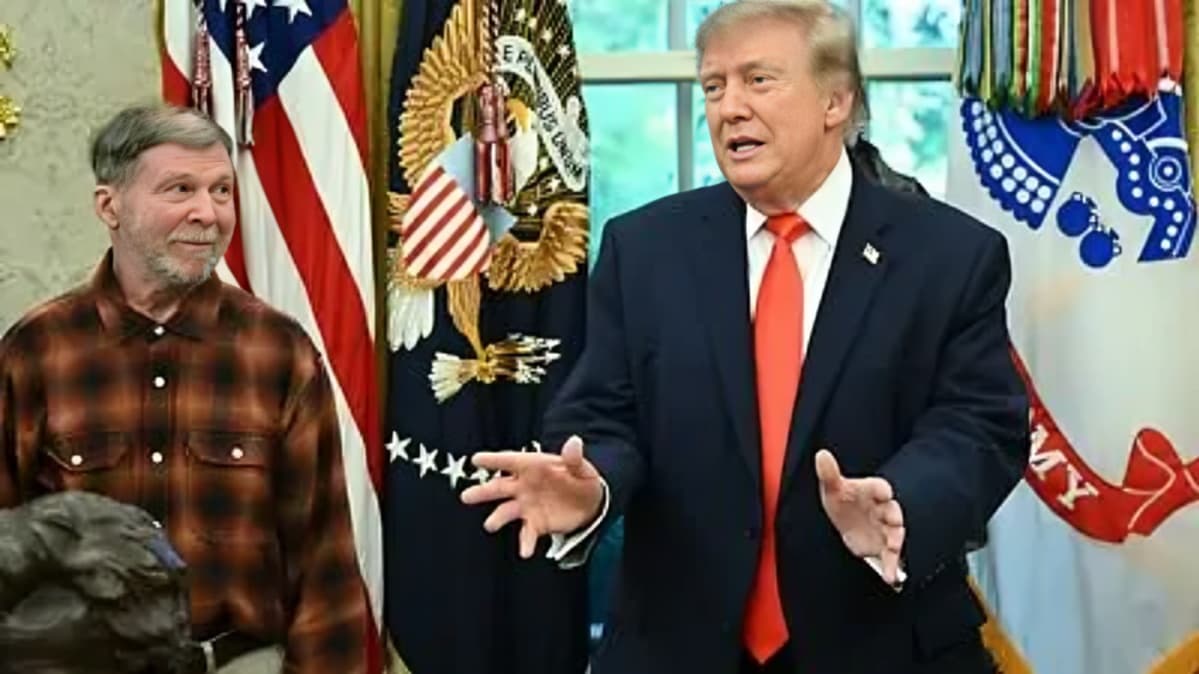
President Donald Trump has been campaigning in key states as Election Day approaches. On November 1, he held rallies in Iowa and Kansas, urging Republican supporters to participate in the midterm elections.
Trump's campaign appearances are part of a broader effort to strengthen Republican turnout and support candidates seeking to retain their seats in Congress. The party faces a closely contested election in several states, where the results could influence control of the House and Senate.
During his Iowa rally, Trump also commented on the political development involving Michigan Democratic Representative Haley Stevens. Stevens had recently announced her support for Republican Senate candidate Mike Rogers after previously competing against Democrat Abdul El-Sayed in the Democratic primary.
Trump praised Stevens for supporting the Republican candidate and said he would welcome her joining the Republican Party. However, Stevens has not announced that she is leaving the Democratic Party. Her endorsement of Rogers represents support for a Republican candidate in the Senate election, rather than a confirmed change in her party membership.
Haley Stevens Endorses Republican Mike Rogers in Michigan
The Michigan Senate contest has become a major talking point after Representative Haley Stevens publicly endorsed Republican candidate Mike Rogers.
Stevens had earlier contested the Democratic Senate primary against Abdul El-Sayed but lost the nomination. The disagreement between the two Democrats continued during the general election campaign, particularly over political messaging and an advertisement involving Israel and the cost of living.
Stevens said she could not support El-Sayed and announced that she would vote for Rogers. Her endorsement came shortly before Election Day and created a fresh disagreement within the Democratic Party.
The announcement also attracted criticism from several Democratic leaders and party members. Some described her decision as damaging to party unity, while Republican leaders welcomed her support for Rogers.
Trump praised Stevens during his Iowa rally and said he would like her to join the Republican Party. His comments added another dimension to the political debate surrounding the Michigan Senate race.
Despite the controversy, El-Sayed continued to focus on his campaign priorities, including healthcare, living costs and campaign finance issues. The contest remains important because Michigan is among the states being closely watched in the battle for control of the Senate.
Alaska Senate Race Faces Ballot Controversy
Another major development concerns the Alaska Senate election, where Republican Senator Dan Sullivan is seeking re-election against Democrat Mary Peltola.
The controversy centres on the presence of another candidate named Dan J. Sullivan on the ballot. The second candidate is a retired teacher and former US Forest Service employee who is also running for the Senate.
Republican officials have raised concerns that the similar names could confuse voters and affect the outcome of the election. Allegations have also emerged that people associated with Peltola's campaign helped recruit the second candidate to draw votes away from the Republican incumbent.
Peltola has denied knowing about or participating in any such effort. The candidate with the similar name has also rejected claims that he intended to mislead voters.
Reports about the alleged recruitment effort have increased political tensions in Alaska during the final days of the campaign. The controversy has attracted attention from Republican leaders, Democratic officials and federal authorities.
Federal Court Dismisses Lawsuit Over Alaska Election Certification
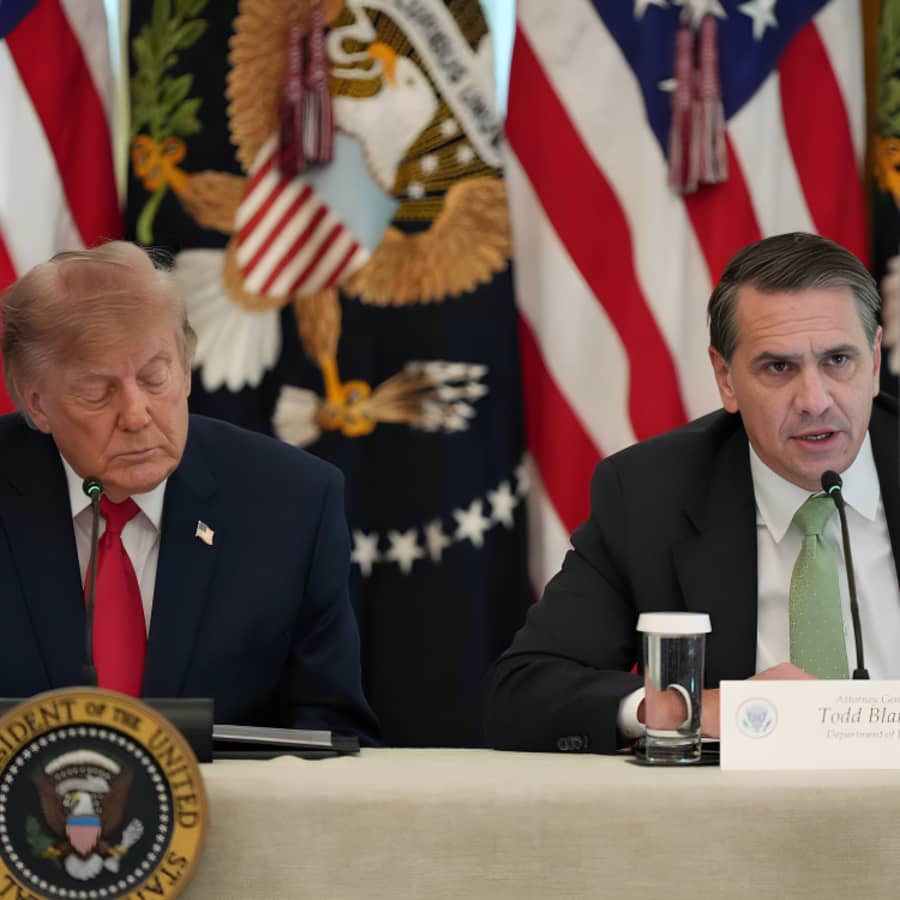
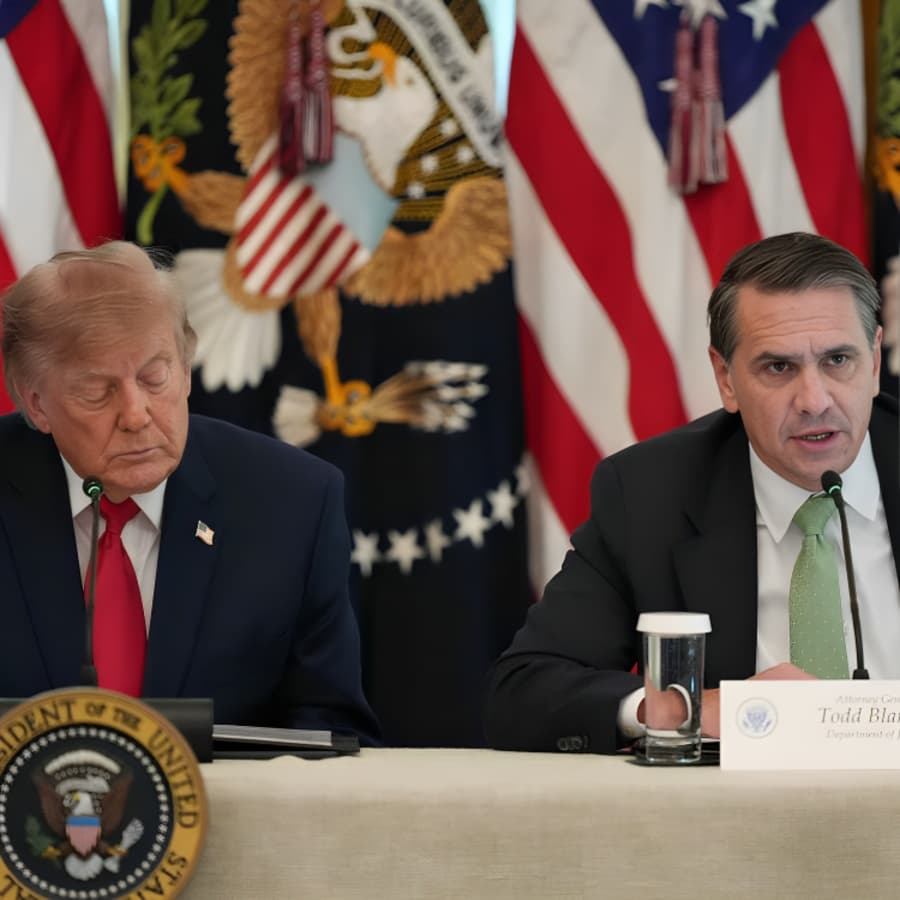
The Alaska Senate controversy also led to legal action by the US Department of Justice. The department filed a lawsuit seeking to prevent certification of the election results if Republican Senator Dan Sullivan lost, arguing that votes cast for the similarly named candidate could create uncertainty.
However, a federal judge dismissed the lawsuit on November 1. Judge Sharon Gleason said the requested action was not feasible, particularly because early voting had already taken place and ballots had been mixed together. The judge also raised concerns about protecting voter secrecy and the state's authority to administer elections.
The Justice Department subsequently indicated that it planned to appeal the decision.
The dismissal of the lawsuit does not resolve all the political allegations surrounding the Alaska contest. Federal investigators have continued examining aspects of the controversy, while Peltola has denied involvement in the alleged recruitment effort.
The dispute has become an important issue in the final stage of the Alaska Senate campaign, with both sides defending their positions ahead of voting.
More Than 54 Million Americans Have Voted Early
Early voting has also become an important feature of the 2026 midterm elections. According to an Associated Press analysis published on November 1, more than 54 million Americans had already voted through early in-person voting and mail ballots.
Early voting figures have attracted attention in several states with competitive Senate races. Georgia, for example, reported record early participation for a midterm election, according to reports published before Election Day.
However, early voting figures alone do not determine the final result. The outcome will depend on votes cast across the country, including those submitted on November 3.
Candidates from both major political parties have continued their final campaign activities, urging supporters to vote and highlighting the issues they consider important.
Why the 2026 Midterm Elections Matter
The 2026 midterm elections will determine the political balance of power in Washington for the remaining two years of Trump's current presidential term.
If Republicans retain control of both chambers, the administration could continue pursuing its legislative priorities with support from Congress. If Democrats gain control of either chamber, congressional oversight and the passage of legislation could take a different direction.
The Senate contests in states such as Michigan and Alaska are therefore receiving considerable national attention. The results will also influence the political strategies of both parties ahead of future national elections.
With Election Day approaching on November 3, candidates are making their final appeals to voters. Trump's campaign rallies, Stevens' endorsement of Rogers and the controversy surrounding Alaska's Senate ballot have become prominent developments in the closing phase of the election campaign.
The final outcome will be determined by voters, with the results expected to shape the political direction of the United States and the balance of power in Congress.