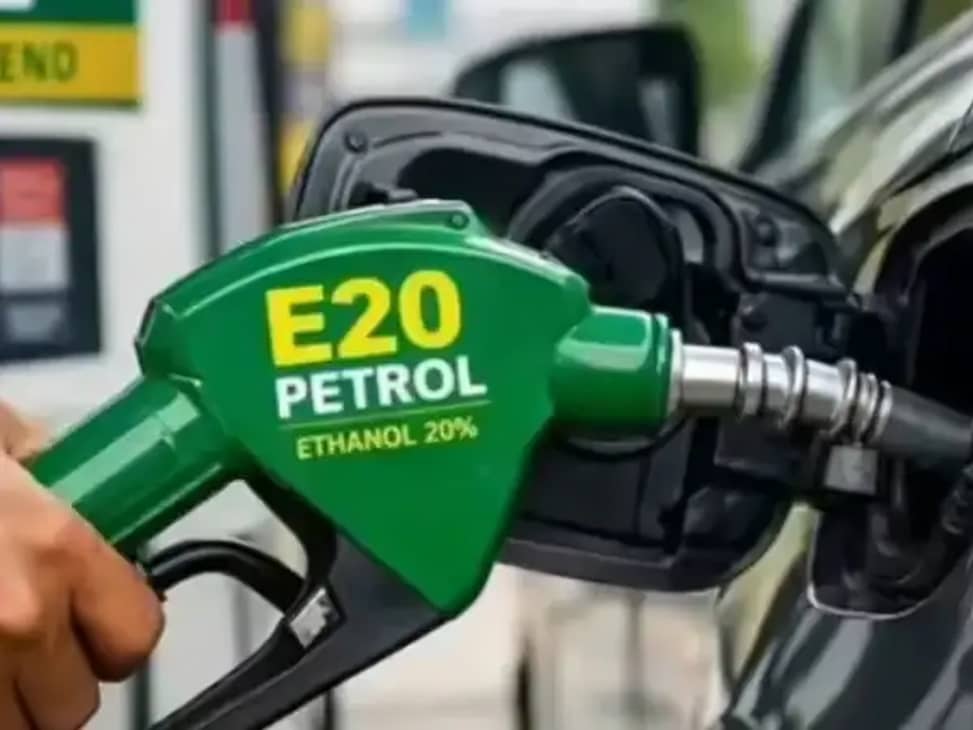

The Central Government has reiterated its support for the E20 petrol programme, stating that the increased use of ethanol-blended fuel played an important role in protecting Indian consumers from a sharp rise in petrol prices during the recent surge in global crude oil prices.
According to the Ministry of Petroleum and Natural Gas, ethanol blending significantly reduced the cost of petrol when international crude oil prices climbed during the conflict involving Iran and the United States. The ministry said that if India had relied entirely on conventional petrol without ethanol blending, retail fuel prices in Delhi could have increased to nearly Rs 125 per litre when global crude oil prices briefly touched 135 US dollars per barrel.
The government's statement comes amid continued discussions over the benefits and challenges associated with the nationwide rollout of E20 petrol, which contains 20 percent ethanol and 80 percent petrol. Officials maintain that the programme is intended to improve India's energy security, reduce dependence on imported crude oil, lower carbon emissions, and support domestic agriculture through increased demand for ethanol.
The Ministry explained that ethanol blending helps reduce the quantity of imported crude oil required for fuel production. Since ethanol is produced domestically, mainly from sugarcane, maize, and other approved agricultural feedstocks, blending it with petrol lowers the overall cost of fuel procurement during periods of high international crude prices.
Government officials also stated that the ethanol blending programme has helped India save substantial amounts of foreign exchange by reducing crude oil imports. India imports a significant share of its crude oil requirements, making domestic fuel prices sensitive to fluctuations in international energy markets. Increasing the share of ethanol in petrol is viewed as one way to improve long-term energy resilience.
The E20 initiative forms part of India's broader National Biofuel Policy, which seeks to expand the use of renewable fuels across the transportation sector. The government has been gradually increasing ethanol blending percentages over the past several years, with oil marketing companies introducing E20 petrol across an expanding network of fuel stations.
Supporters of the programme argue that ethanol blending provides multiple benefits beyond reducing fuel costs. Increased ethanol production creates additional income opportunities for farmers, supports the sugar industry by utilizing surplus agricultural produce, and contributes to lower greenhouse gas emissions compared with conventional fossil fuels.
However, the programme has also generated discussion among consumers and automobile experts regarding vehicle compatibility. While most recently manufactured vehicles are designed to operate on E20 fuel, owners of older vehicles are advised to consult manufacturer recommendations before regularly using higher ethanol blends. Automobile manufacturers have been introducing E20-compatible engines as part of the government's phased implementation strategy.
The government has consistently maintained that E20 petrol meets prescribed fuel quality standards and has been introduced following extensive testing in collaboration with automobile manufacturers and fuel research organizations. Officials say the transition is being carried out in phases to ensure compatibility across the vehicle fleet.
The Petroleum Ministry's latest statement follows public debate over fuel prices and the impact of international geopolitical developments on India's energy sector. Global crude oil prices often react sharply to conflicts involving major oil-producing regions, affecting fuel import costs for countries dependent on overseas energy supplies.
Energy analysts note that while ethanol blending can help moderate fuel price increases, retail petrol prices continue to depend on several factors, including international crude oil prices, exchange rates, refinery costs, transportation expenses, central and state taxes, and dealer commissions.
India has set ambitious targets to expand renewable energy and alternative fuels as part of its broader strategy to reduce carbon emissions and strengthen energy security. Ethanol blending remains one of the key components of this policy alongside electric mobility, compressed biogas, green hydrogen, and sustainable biofuels.
Industry experts believe that continued investment in domestic biofuel production, agricultural supply chains, and vehicle technology will be essential for achieving the government's long-term ethanol blending goals. At the same time, they emphasize the importance of maintaining fuel quality standards and ensuring consumer awareness regarding vehicle compatibility.
The Ministry of Petroleum and Natural Gas has reaffirmed that the E20 programme is intended to benefit both consumers and the national economy by reducing dependence on imported fossil fuels while promoting cleaner transportation and supporting domestic agricultural production. The government is expected to continue expanding ethanol-blended fuel availability across India as part of its long-term energy transition strategy.