India’s automobile retail market delivered a record performance in September 2026, with total vehicle registrations reaching 25,36,920 units, according to data released by the Federation of Automobile Dealers Associations. Overall retail sales increased 31.82 percent compared with September 2025 and rose 4.69 percent from August 2026.
The September performance marked the best-ever September for India’s automobile retail market. Five of the six major vehicle categories also recorded their highest-ever September retail numbers, highlighting the broad-based nature of demand across the automotive industry.
Two-wheelers remained the biggest contributor to overall automobile retail volumes. The segment recorded 17,90,188 registrations in September, representing 33.08 percent year-on-year growth. Two-wheeler retail also increased 4.41 percent compared with August.
According to FADA data, September 2026 was the best-ever September for two-wheeler retail sales. The segment was also around 15.3 percent above its previous September peak recorded in 2018. Both rural and urban markets reported similar year-on-year growth, although urban markets recorded a stronger sequential improvement during the festive buying period.
Several factors supported two-wheeler demand, including festive purchases, improved consumer sentiment, financing availability and continued interest in electric vehicles. The market also benefited from demand for premium motorcycles and scooters.
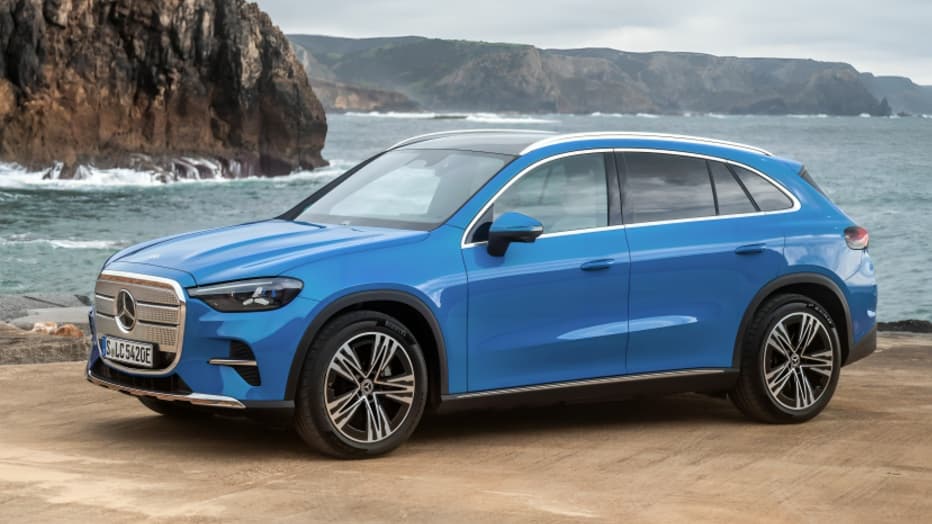
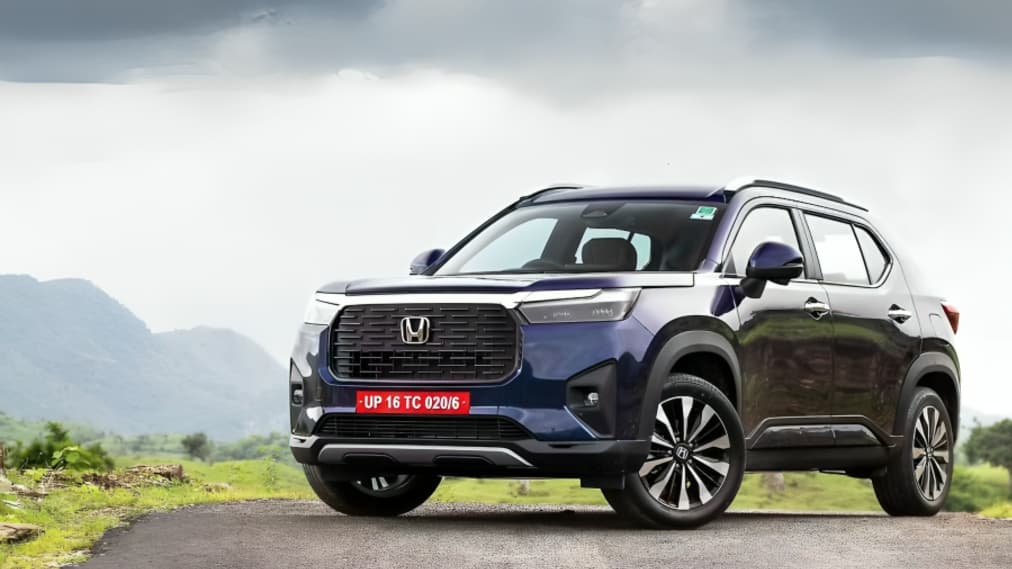
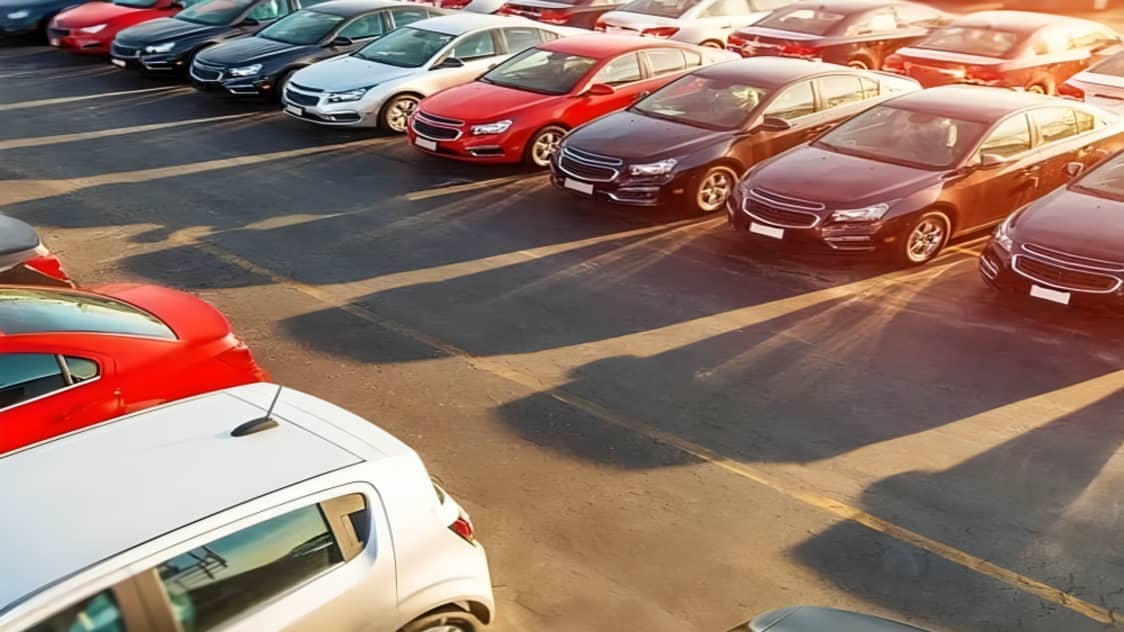
Passenger vehicles also recorded a strong performance during the month. Retail sales reached 4,27,213 units in September 2026, an increase of 32.10 percent over the same month last year. Passenger vehicle retail also rose 6.17 percent from August.
The September passenger vehicle figure represents a new record for the month. SUVs and utility vehicles continued to play an important role in passenger vehicle demand, reflecting the continued preference among Indian buyers for larger and more versatile vehicles.
The growth was visible across both urban and rural markets. According to FADA data, passenger vehicle retail growth was almost identical in the two areas, indicating that the September improvement was not restricted to major cities.
Commercial vehicles also delivered a strong performance. Retail registrations reached 1,03,557 units in September, marking a 37.62 percent year-on-year increase. Sales were also 14.09 percent higher than August.
September 2026 was the first September in which commercial vehicle retail crossed the one lakh unit mark. Heavy commercial vehicles were among the strongest performers within the segment, supported by improving transportation and commercial activity.
Three-wheelers recorded another strong month, with retail sales reaching 1,32,570 units. The segment grew 22.25 percent year-on-year and 8.41 percent month-on-month. This also represented the best-ever September performance for three-wheelers.
Electric mobility continued to make progress in the three-wheeler segment. A significant share of three-wheelers sold during the month was electric, underlining the increasing adoption of electric vehicles in commercial and last-mile transportation.
Tractor sales presented a different trend. Retail registrations stood at 76,906 units in September, which was 13.75 percent higher than September 2025. However, tractor sales declined 12.58 percent compared with August.
The weaker month-on-month tractor performance was linked to uneven monsoon conditions and the delayed festive calendar. Agricultural income and crop conditions remain important factors influencing demand for farm equipment, making tractor sales more sensitive to weather patterns than several other vehicle categories.
The strong September numbers also helped the automobile industry achieve its best-ever first half of a financial year. Total vehicle retail sales between April and September 2026 reached 1,55,12,319 units, representing a 20.77 percent increase over the corresponding period of the previous year.
However, FADA has advised caution when interpreting the headline 31.82 percent year-on-year growth. September 2025 was an unusually weak comparison period because many buyers had postponed vehicle purchases ahead of the implementation of GST 2.0 on September 22, 2025.
As a result, the low base from last year contributed significantly to the sharp year-on-year increase recorded this September. FADA described the September growth figure as heavily influenced by the base effect. Therefore, the month-on-month increase of 4.69 percent provides another useful measure of the market’s sequential momentum.
The festive season is expected to remain an important driver of automobile demand in the coming months. Customer enquiries, bookings and showroom activity have increased as buyers prepare for major festive occasions. Dealers are also expecting stronger conversion of bookings into retail registrations during October.
Passenger vehicles and two-wheelers are likely to remain key segments during the festive period. New model launches, discounts, financing offers and improving affordability could support demand. At the same time, manufacturers and dealers will need to monitor inventory levels and supply availability as demand strengthens.
The electric vehicle market is also becoming increasingly important. Rising consumer awareness, lower running costs and a wider range of electric models are encouraging more buyers to consider EVs. Electric two-wheelers and three-wheelers are already gaining greater acceptance, while electric passenger vehicles are gradually expanding their presence in the market.
Despite the strong overall performance, challenges remain. Rural demand continues to depend on agricultural conditions in several regions, while uneven rainfall could affect farm-related spending. The delayed festive calendar and a higher comparison base in the coming months could also make year-on-year growth rates appear less impressive.
Overall, September 2026 was a significant month for India’s automobile retail industry. Record two-wheeler and passenger vehicle sales, commercial vehicle registrations above one lakh units and strong three-wheeler demand helped push total retail sales to 25.37 lakh units.
The September numbers indicate that consumer demand entered the festive season with considerable momentum. However, the low base from the previous year means the growth rate should be interpreted carefully. The performance of October and the remainder of the festive period will provide a clearer indication of whether the September surge represents sustained demand or partly reflects purchases that were deferred from the previous year.