
Ather Energy has emerged as one of India's leading electric two-wheeler manufacturers by focusing not only on electric scooters but also on building a comprehensive ecosystem designed to support customers throughout their ownership journey. As electric vehicle adoption continues to increase across the country, industry experts believe that a strong support ecosystem plays a crucial role in encouraging consumer confidence and long-term acceptance of EV technology.
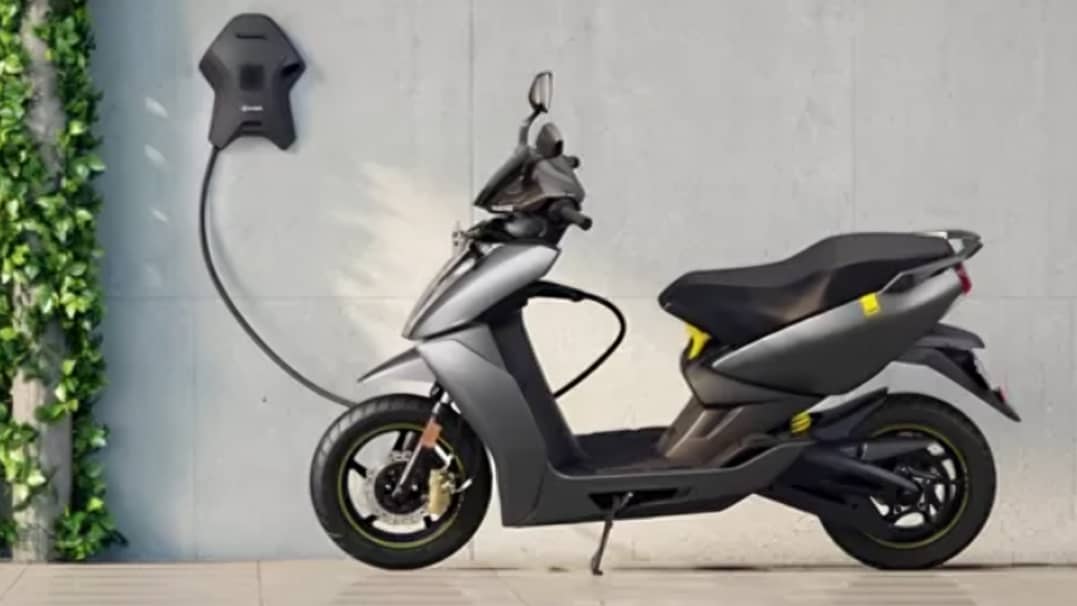
One of the key strengths of Ather's ecosystem is its charging infrastructure. The company has invested significantly in expanding its public charging network across multiple cities. Accessible charging stations help reduce concerns related to range anxiety, which remains one of the primary factors influencing electric vehicle purchasing decisions. The growing network enables riders to recharge their vehicles conveniently during daily commutes and longer journeys.
Another important aspect is the connected technology integrated into Ather scooters. Modern electric scooters increasingly rely on software and digital services to enhance functionality. Features such as navigation, ride analytics, battery monitoring and over-the-air software updates allow users to access important information and receive improvements without visiting a service center. This connected approach contributes to a more seamless ownership experience.
Service and maintenance support also play a significant role in the company's ecosystem strategy. Electric vehicles generally require less maintenance than conventional petrol-powered vehicles due to fewer moving components. However, customers still expect reliable after-sales service and technical assistance. Ather has expanded its service network in several cities to provide timely support and ensure customer satisfaction.
The company's digital platform further strengthens the ownership experience by enabling users to access vehicle-related information through mobile applications. Riders can monitor battery status, charging history, trip data and vehicle health through connected services. Such features improve convenience and help owners manage their vehicles more efficiently.
Battery performance and charging solutions remain central to electric vehicle adoption. Ather has focused on developing battery technologies and charging systems designed to support daily usage requirements. The company's efforts align with broader industry initiatives aimed at improving charging accessibility and reducing barriers to EV ownership.
Industry analysts note that successful electric mobility adoption depends on more than vehicle performance alone. Charging infrastructure, software integration, service support and customer education all contribute to building consumer confidence. Companies that invest in these areas are often better positioned to support long-term growth in the EV sector.
India's electric vehicle market has witnessed rapid expansion over the past few years, supported by government initiatives, rising environmental awareness and increasing fuel costs. Consumers are increasingly evaluating total ownership experience rather than focusing solely on vehicle specifications. As a result, ecosystem development has become a major competitive factor among EV manufacturers.
Ather's approach reflects this broader industry trend. By combining charging infrastructure, connected technology, customer support and digital services, the company aims to create an integrated ownership experience that addresses common concerns associated with electric vehicles.
The electric scooter segment remains one of the fastest-growing categories in the Indian automotive market. Urban commuters, in particular, are increasingly considering electric mobility due to lower operating costs and environmental benefits. A supportive ecosystem can further accelerate this transition by making ownership more convenient and predictable.
As competition within the EV industry intensifies, manufacturers are expected to continue investing in ecosystem expansion alongside vehicle development. Charging networks, software platforms and service infrastructure are likely to remain critical components of future growth strategies.
The continued development of comprehensive EV ecosystems is expected to play a vital role in India's transition toward cleaner transportation. Companies that successfully address consumer concerns related to charging, maintenance and usability may contribute significantly to the broader adoption of electric mobility across the country.