FSSAI Accuses PepsiCo of Misleading Consumers Through Energy Drink Branding
The Food Safety and Standards Authority of India has accused PepsiCo India of misleading consumers by marketing its high-caffeine beverages under the energy drink category. The allegation was made in a detailed affidavit submitted before the Delhi High Court as part of an ongoing legal dispute over the use of the energy drink label on beverage products.
The food safety regulator argued that PepsiCo was aware of the regulatory requirements applicable to caffeinated beverages but continued to promote certain products using the energy drink description. According to FSSAI, India does not have separately prescribed standards for a product category specifically identified as energy drinks.
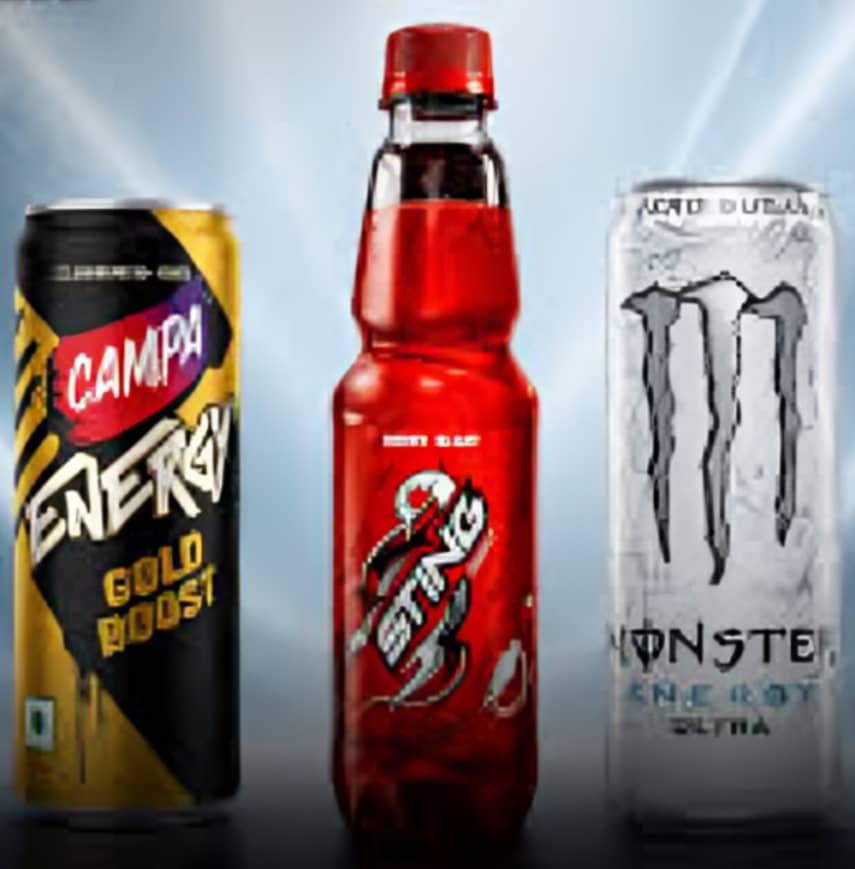
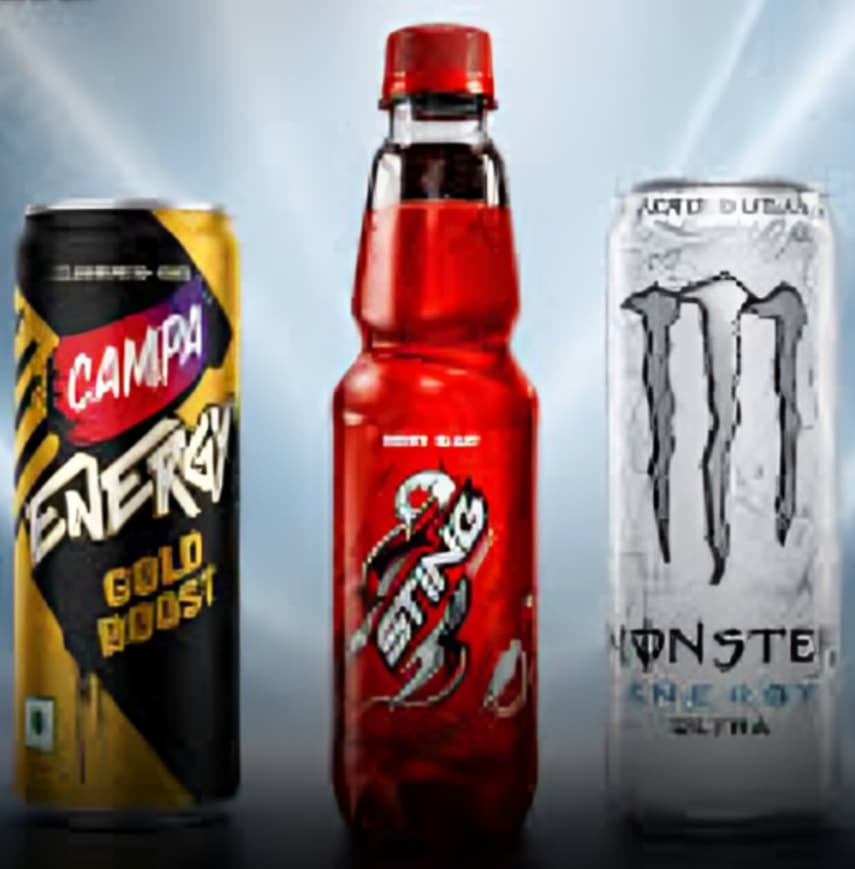
The dispute mainly concerns PepsiCo's Sting Energy and Adrenaline Rush beverages. It has also raised wider questions about food product classification, advertising claims, consumer awareness and the regulatory responsibilities of beverage manufacturers in India.
FSSAI Raises Concerns Over Energy Drink Labels
In its affidavit before the Delhi High Court, FSSAI alleged that PepsiCo deliberately used the energy drink description despite knowing that its products were required to comply with the applicable standards for caffeinated beverages.
The regulator argued that using a category without specific prescribed standards could create confusion among consumers and potentially result in misleading product descriptions.
FSSAI maintained that manufacturers must follow the Food Safety and Standards Act, 2006, along with the regulations framed under the legislation. It also stated that its communication dated June 30, 2026, was intended to ensure compliance with existing food safety provisions rather than introduce a completely new prohibition.
The authority further raised concerns about certain promotional claims, including descriptions suggesting that the beverages vitalise the body and mind or help with general weakness.
According to the regulator, such claims could create an incorrect impression about the functional benefits of the products.
PepsiCo Products at the Centre of the Dispute
The legal dispute involves two beverages marketed by PepsiCo India.
Sting Energy is one of the company's prominent beverage brands in India's carbonated drinks market. Adrenaline Rush is another product covered by the regulatory action.
FSSAI directed the company to stop using the energy drink description on the affected products. The regulator also instructed manufacturers to withdraw labels, marketing materials and advertisements carrying the disputed terminology within the prescribed compliance period.
The issue is not simply about the products containing caffeine. It concerns whether the category used to describe and promote them accurately reflects their regulatory classification and characteristics.
PepsiCo has challenged the regulator's directions before the Delhi High Court, arguing that the action was taken without giving the company prior notice or an opportunity to present its position.
Why Has FSSAI Objected to the Energy Drink Category?
A major point of disagreement is the regulatory status of the term energy drink in India.
FSSAI has argued that there are no separately prescribed standards for a category officially identified as energy drinks. The regulator believes that using this description could lead consumers to misunderstand the nature and functional properties of the beverages.
The authority has also referred to the existing standards applicable to caffeinated beverages.
In its March 2024 advisory, FSSAI clarified certain product classification requirements for food businesses operating e-commerce platforms. The advisory addressed the categorisation of health drinks and energy drinks and instructed businesses to display products under appropriate food categories.
However, the interpretation of these provisions and their application to the products involved in the present dispute have become important issues in the ongoing court proceedings.
Delhi High Court Proceedings and Interim Relief
PepsiCo approached the Delhi High Court challenging the directions issued by FSSAI on June 30, 2026.
On October 6, 2026, the court granted interim relief after noting that the regulator's orders had been issued without a show-cause notice or an opportunity for the company to be heard.
The court permitted PepsiCo and its bottlers to sell products already manufactured with the energy drink description. However, the interim order did not permit further manufacturing of products carrying the same label.
The company was also directed to maintain an account of the existing stock sold under the interim arrangement.
The legal proceedings have continued as the company challenged the restrictions relating to fresh production. The court's interim directions do not amount to a final decision on whether the disputed product description is legally permissible.
FSSAI has defended its regulatory position and sought the dismissal of the company's challenge.
FSSAI Highlights Consumer Protection and Public Health
Apart from product classification, FSSAI has raised concerns about the possible public health implications of beverages containing high levels of caffeine and sugar.
The regulator has argued that protecting consumers, particularly children, should take priority over commercial considerations and the financial impact of changing packaging materials.
High-caffeine beverages may also contain other ingredients, including taurine. FSSAI has referred to concerns surrounding the consumption of products containing combinations of caffeine, sugar and other ingredients.
The regulator's position is that accurate labelling and responsible marketing are essential to help consumers understand what they are purchasing.
However, the allegations and regulatory arguments remain part of the ongoing legal dispute and should not be treated as a final judicial finding against PepsiCo.
Other Beverage Companies Also Face Regulatory Challenges
The dispute is not limited to PepsiCo.
Monster Beverage has also challenged FSSAI's decision concerning the use of the energy drink description on its products. Other companies, including Red Bull, Hell Energy and Reliance Consumer, have also been involved in legal proceedings concerning similar regulatory directions.
The developments indicate that the issue could have wider implications for India's beverage industry.
Manufacturers may need to review product labels, advertising campaigns and regulatory classifications depending on the outcome of the legal proceedings.
India's energy drinks market is also expanding rapidly, increasing the importance of clear product information and consistent regulatory standards.
What Happens Next?
The Delhi High Court proceedings are expected to play an important role in determining how the disputed product descriptions should be treated under India's existing food safety regulations.
The court will have to consider the arguments raised by both PepsiCo and FSSAI, including the company's objections regarding procedural fairness and the regulator's concerns about consumer protection.
The final outcome could influence the labelling and marketing practices followed by several beverage manufacturers operating in India.
For consumers, the dispute highlights the importance of checking product labels, caffeine content and nutritional information before purchasing caffeinated beverages.
As the case progresses, the beverage industry will closely monitor the court's observations and any further directions issued by the food safety regulator.