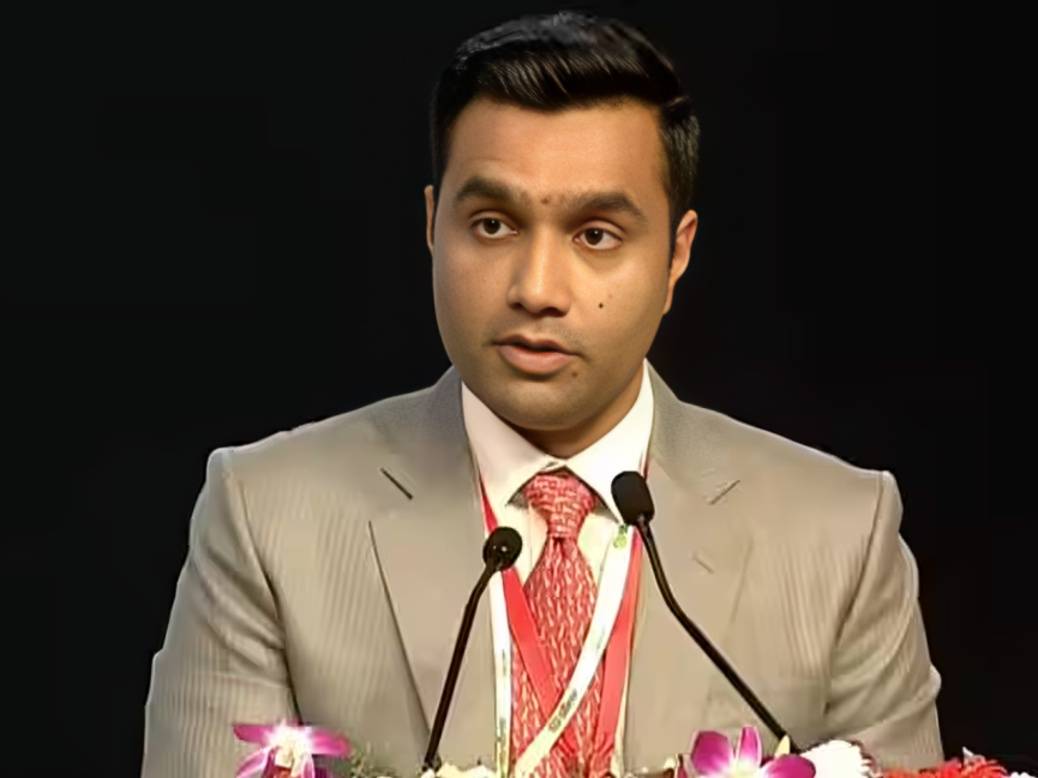
The Adani Group is focusing on strengthening its position in India's cement industry through an integrated materials business strategy under the leadership of Karan Adani.
According to the supplied report, the strategic focus has shifted towards developing an integrated materials platform, with greater emphasis on operational efficiency and disciplined execution.
The approach reflects the importance of building a coordinated business structure capable of supporting manufacturing growth and improving industrial competitiveness.
As India's infrastructure and construction requirements continue to evolve, cement manufacturers are increasingly focusing on efficient production, reliable distribution and long term business planning.
The strategy outlined under Karan Adani's leadership places operational performance at the centre of business development.
Building an Integrated Materials Platform
An integrated materials platform generally involves bringing manufacturing, raw material procurement, logistics and distribution activities into a coordinated operational framework.
For cement manufacturers, such an approach can help improve resource utilisation and reduce inefficiencies across different stages of production.
Effective coordination between manufacturing facilities and distribution networks can also support reliable product availability and improve responsiveness to market demand.
The strategic direction highlighted in the report suggests that operational integration is an important component of the Adani Group's cement business approach.
However, the supplied information does not specify the individual projects, investments or operational changes associated with the integrated platform.
Operational Efficiency Remains a Key Priority
Operational efficiency is an important factor in the long term competitiveness of cement manufacturers.
Cement production involves significant expenditure on raw materials, energy, transportation, equipment maintenance and industrial operations.
Improving efficiency across these activities can help manufacturers manage production costs and strengthen business performance.
Modern manufacturing technologies, effective resource management and improved production planning can contribute to greater operational efficiency.
Under Karan Adani's leadership, the reported emphasis on operational efficiency reflects a focus on improving the effectiveness of business operations.
The actual financial benefits of these measures would depend on implementation, production volumes, market conditions and operating expenses.
Disciplined Execution Supports Business Growth
The supplied report also identifies disciplined execution as a central element of Karan Adani's cement business strategy.
Disciplined execution generally involves implementing business plans systematically, monitoring operational performance and ensuring that resources are allocated effectively.
In capital intensive industries such as cement manufacturing, careful planning is particularly important because production facilities and infrastructure require substantial investment.
Manufacturers must balance expansion opportunities with financial requirements, operational capabilities and market demand.
A structured approach to business execution could help companies manage expansion risks and maintain consistent operational performance.
However, specific financial targets and performance indicators associated with the strategy have not been disclosed in the supplied report.
Adani Group's Presence in India's Cement Industry
The Adani Group established a major presence in India's cement industry through its acquisition of Ambuja Cements and ACC in 2022.
Both companies have established manufacturing and distribution networks across the country and serve customers in residential, commercial and infrastructure construction.
The cement business represents an important component of the group's broader industrial and infrastructure portfolio.
Integration across different business operations could provide opportunities to improve coordination between manufacturing, transportation and distribution activities.
The group's established presence in logistics and infrastructure may also offer opportunities for operational integration.
However, the supplied report does not quantify the benefits achieved through these business relationships.
Growing Importance of India's Cement Sector
India's cement industry plays an essential role in supporting the country's economic development and infrastructure requirements.
Cement is a fundamental construction material used in residential buildings, highways, bridges, railway infrastructure, commercial developments and industrial projects.
Government infrastructure programmes, urbanisation and housing development are among the factors that can influence demand for cement.
Manufacturers operating in this sector must continuously evaluate production capacity, distribution networks and changing customer requirements.
The development of efficient manufacturing systems could help cement companies respond more effectively to emerging opportunities.
Nevertheless, future demand will depend on construction activity, economic conditions, government expenditure and private sector investment.
Role of Logistics and Supply Chain Management
Efficient logistics and supply chain management are particularly important in the cement industry because of the weight and transportation requirements of cement and its raw materials.
Transportation expenses can represent a significant component of overall operating costs.
Effective coordination between production facilities, storage centres and distribution networks can help manufacturers improve delivery efficiency.
An integrated operational framework could also help businesses manage inventory levels and respond to regional demand fluctuations.
The Adani Group's wider infrastructure and logistics operations may provide opportunities for coordination across these activities.
However, the extent of any cost savings or operational improvements has not been specified in the available information.
Technology and Sustainable Manufacturing Opportunities
The cement industry faces increasing expectations to improve energy efficiency and reduce the environmental impact of manufacturing operations.
Modern production technologies, alternative fuels, renewable energy and waste heat recovery systems are among the approaches used within the industry to address these challenges.
Manufacturers may also explore opportunities to improve water management, reduce material waste and optimise energy consumption.
These measures could support environmental objectives while contributing to operational efficiency.
Although sustainability is an important consideration for the wider cement industry, the supplied report does not identify specific environmental commitments or emission reduction targets under Karan Adani's strategy.
Long Term Outlook for Adani's Cement Business
Karan Adani's reported focus on developing an integrated materials platform highlights the importance of operational coordination, efficiency and disciplined business execution.
The strategy could help strengthen the group's competitive position if supported by effective implementation and favourable market conditions.
However, India's cement industry remains competitive, with manufacturers facing challenges related to energy prices, transportation expenses, regulatory requirements and changing demand.
Future business performance will depend on how effectively companies manage these challenges while pursuing growth opportunities.
Further corporate disclosures regarding production capacity, capital expenditure, financial performance and expansion plans would provide greater clarity on the progress of the strategy.
The Adani Group's approach reflects an emphasis on building a coordinated cement business capable of responding to India's evolving construction and infrastructure requirements.