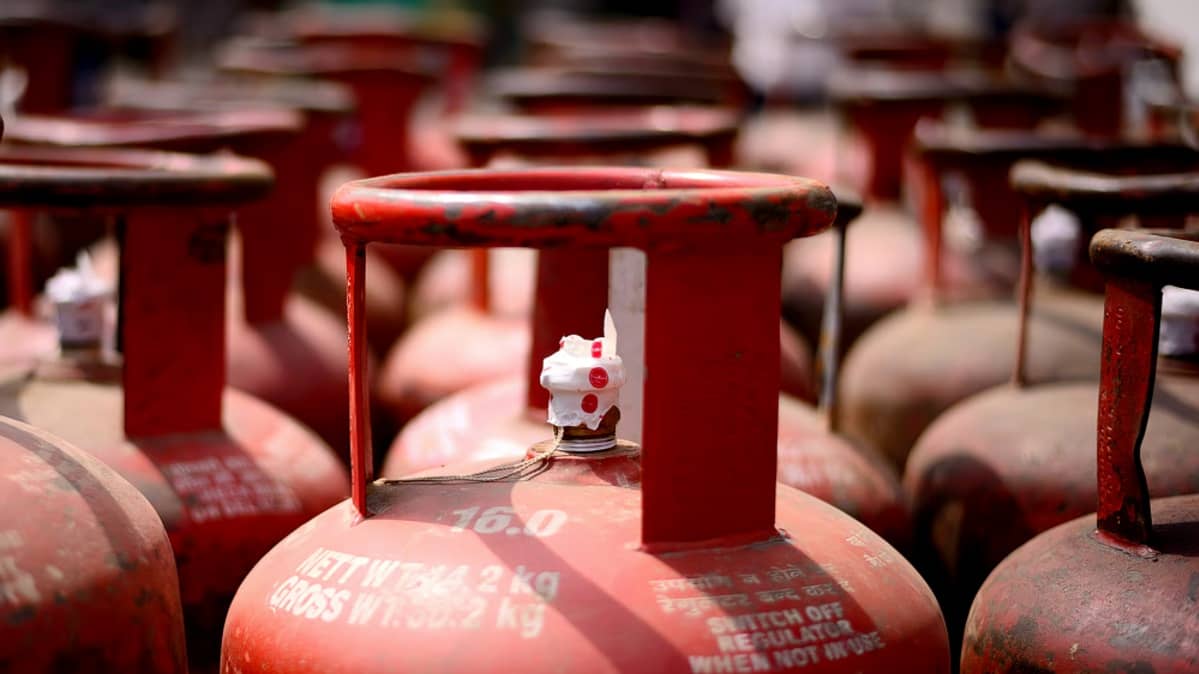
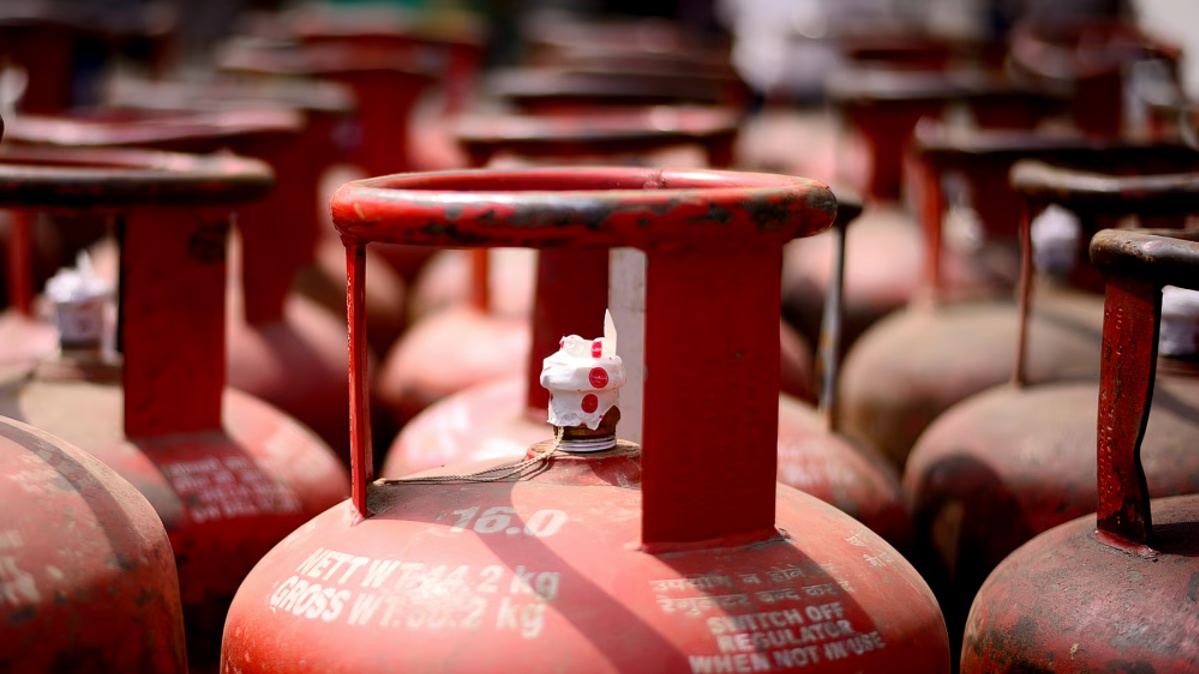
The Centre has introduced refinery-wise maximum production targets for liquefied petroleum gas, or LPG, as part of measures to strengthen India's domestic cooking gas supply system. The move covers both public sector and private sector refineries as well as certain upstream companies and represents a significant shift in the government's approach to managing LPG availability.
The decision comes against the backdrop of disruptions and uncertainty in international energy markets. Recent developments in West Asia have highlighted India's dependence on imported LPG and the importance of maintaining adequate domestic production and storage capacity. The government is therefore seeking to increase the contribution of domestic refineries and create a stronger buffer against possible interruptions in imports.
India is one of the world's major LPG consumers. During the 2025 to 2026 financial year, the country consumed approximately 33.2 million tonnes of LPG, equivalent to an average consumption of about 91,000 tonnes a day. Domestic production during the same period was around 13.1 million tonnes, or approximately 35,900 tonnes per day.
The gap between domestic production and total consumption means India continues to depend significantly on imports to meet its LPG requirements. The government has consequently been taking measures to increase domestic output and ensure that household cooking gas supplies remain stable during periods of international uncertainty.
Under the latest measure, individual refineries have been assigned maximum production targets. The targets are intended to encourage producers to operate their facilities in a manner that supports the availability of LPG for the domestic market. According to reports, the government has set a combined maximum daily production target of around 63,810 metric tonnes for state-owned and private refiners.
Reliance Industries has been assigned the largest target among the companies covered by the latest arrangement. The allocation reflects the company's significant refining and petrochemical operations and its role in India's energy supply chain. The government is also expected to review the targets periodically, with reports indicating a six-month review cycle.
The latest decision builds on measures already taken earlier in 2026 to increase domestic LPG production. The government had directed refineries and petrochemical complexes to maximise LPG production by diverting suitable propane, butane, propylene and butene streams into the LPG pool. Following those measures, domestic LPG production increased substantially.
The government has also taken steps to ensure that domestic LPG supplies are prioritised. Official government updates have stated that domestic LPG production from refineries was increased to support consumption and that refineries were operating at high capacity with adequate crude inventories.
The focus on domestic production is particularly important because international shipping routes can affect LPG availability and prices. A large proportion of India's imported LPG normally arrives through international maritime routes, making the country vulnerable to geopolitical tensions and disruptions in global energy trade.
By increasing domestic production, the government hopes to create additional protection for household consumers. A stronger domestic supply base could reduce the immediate impact of disruptions in overseas supplies and help oil marketing companies maintain regular LPG distribution.
The latest policy is also linked to the broader objective of improving India's energy security. Domestic production alone may not completely eliminate the need for imports because national consumption is considerably higher than domestic output. However, increasing indigenous production can reduce the scale of dependence and provide greater flexibility during international supply disruptions.
The government has previously implemented several supply and demand management measures during periods of energy market pressure. These have included increasing refinery production, managing LPG allocations and encouraging the expansion of piped natural gas connections for suitable consumers.
For household consumers, the immediate objective is to ensure continued availability of cooking gas. The latest production targets do not by themselves indicate a change in the retail price of LPG cylinders. Instead, the measure is focused primarily on production, supply management and energy security.
The move could also have implications for refinery operations. Producers may need to optimise their processes to meet the assigned LPG targets while continuing to supply other petroleum products and petrochemical feedstocks. The government has already introduced measures to balance domestic LPG requirements with the needs of industries that depend on LPG-related feedstocks.
The Centre's decision therefore represents a broader effort to make India's cooking gas supply chain more resilient. With consumption continuing at a high level, domestic production, imports, storage infrastructure and transportation networks all remain important components of the national LPG system.
The refinery-wise targets are expected to be monitored and reviewed as market conditions change. Their effectiveness will depend on refinery capacity, availability of crude and feedstock, domestic demand, international prices and the wider geopolitical situation.
For India, strengthening domestic LPG production is likely to remain an important part of energy policy as the country seeks to balance rising consumption with energy security. The latest directive is aimed at ensuring that domestic cooking gas supplies remain more resilient even when global energy markets face disruptions.