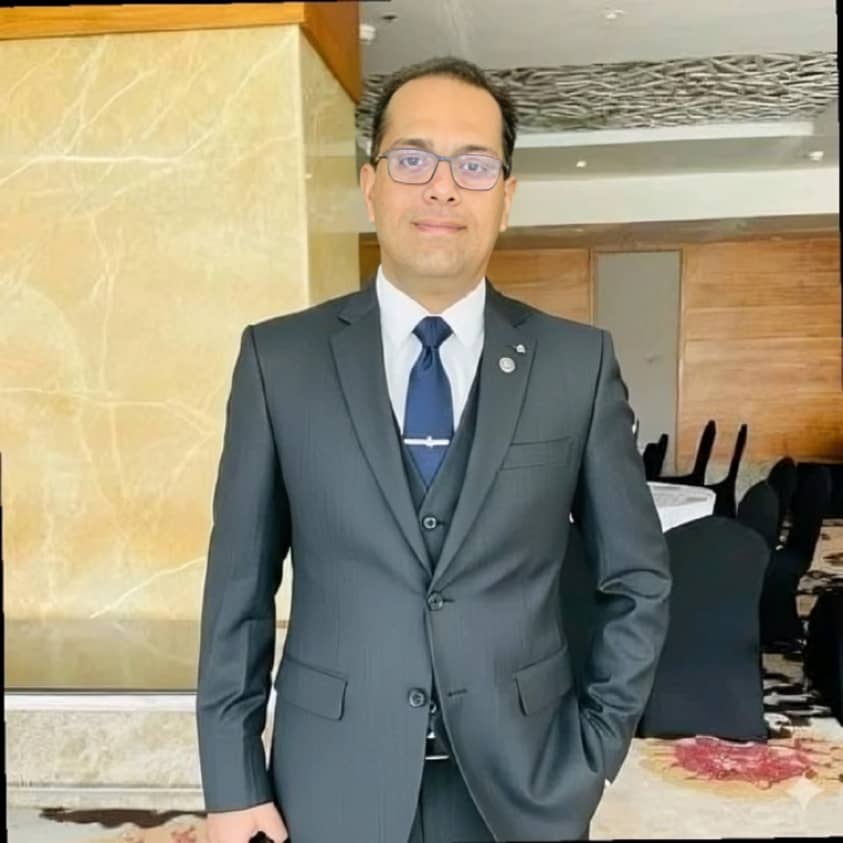
Brand and business strategy expert Harish Bijoor has highlighted the importance of a fresh leadership approach for the next chairman of Tata Sons. Speaking to Times Now Digital, Bijoor said the person taking charge of Tata Sons will face a new set of challenges and will need to respond with an approach suited to the changing business environment.
The Tata Group is one of India's largest and most diversified business groups, with interests spanning technology, automobiles, steel, consumer products, financial services, aviation, hospitality and several other sectors. Managing such a broad portfolio requires leadership that can balance individual company priorities with the wider interests of the group.
Bijoor's comments come at a time when attention is focused on the future direction of Tata Sons and the leadership requirements of the group's holding company. The chairman of Tata Sons has an important role in setting the broader strategic direction of the conglomerate and maintaining coordination across its various businesses.
The role has evolved considerably over the years. Tata Group companies operate independently under their respective boards, while Tata Sons plays a significant role as the principal holding company and promoter of several major businesses. This structure means that the chairman must understand both individual business requirements and the larger Tata Group strategy.
One of the important challenges for future leadership will be maintaining the strength of the Tata brand while allowing individual companies to compete effectively in their respective markets. Harish Bijoor has previously discussed the importance of building a strong connection between the Tata master brand and its individual companies.
The changing nature of consumer behaviour is another factor that could influence the group's future strategy. Customers are increasingly influenced by digital platforms, technological innovation, sustainability and changing expectations around corporate responsibility. A future Tata Sons chairman may therefore need to consider these factors while developing long term priorities for the group.
Technology is also transforming several sectors in which Tata companies operate. Electric vehicles, artificial intelligence, digital commerce, renewable energy and advanced manufacturing are creating new opportunities while simultaneously increasing competition. Tata businesses are already present in many of these areas, making effective coordination and investment decisions increasingly important.
The Tata Group's scale can provide opportunities for collaboration between its businesses. For example, companies operating in automobiles, energy, financial services and technology can potentially create complementary products and services. At the same time, the leadership must ensure that collaboration does not reduce the independence or competitiveness of individual businesses.
The group has previously pursued strategies aimed at simplifying its structure and creating greater synergies among companies. During N Chandrasekaran's tenure as chairman of Tata Sons, the group placed considerable emphasis on simplifying operations, strengthening core businesses and encouraging greater cooperation between group companies.
A new chairman will therefore inherit both significant strengths and complex responsibilities. The Tata brand enjoys considerable recognition in India and international markets, while several group companies are leaders in their respective industries. However, each sector has its own competitive pressures and investment requirements.
Leadership continuity will also be important. Tata Group companies have their own chief executives and boards, meaning the Tata Sons chairman must work through a broad leadership structure rather than directly manage every business. Building trust with company leaders and encouraging them to pursue ambitious strategies could be an important part of the role.
Corporate governance and the preservation of the group's institutional values will also remain significant. The Tata Group has historically placed considerable emphasis on its reputation, ethics and long term orientation. Any new leadership strategy will therefore need to balance growth ambitions with the principles associated with the Tata name.
Bijoor's assessment highlights a broader issue facing large Indian conglomerates. Business conditions are changing rapidly, and leadership strategies that worked in earlier periods may not necessarily be sufficient for future challenges. Global competition, technological disruption and changing consumer behaviour are forcing companies to adapt continuously.
The next Tata Sons chairman could therefore face the task of combining continuity with change. Maintaining the group's established strengths while identifying new growth opportunities may require a careful balance between traditional business values and modern management strategies.
The Tata Group's international footprint also makes global developments relevant to its future strategy. Currency movements, geopolitical developments, supply chain changes and international regulations can affect businesses operating across different markets.
Another major consideration will be capital allocation. Large diversified groups need to decide where to invest, which businesses require additional resources and which areas may need restructuring. Such decisions can influence the performance of individual companies as well as the overall value of the group.
For investors and business observers, the leadership of Tata Sons is therefore significant beyond the chairman's individual position. Strategic decisions taken at the holding company level can influence the direction of multiple businesses within the wider group.
Bijoor's comments suggest that the next phase of Tata Group leadership will require adaptability and a willingness to respond to new challenges rather than simply continuing existing approaches.
The group enters this period with substantial strengths, including established brands, experienced management teams and a diversified business portfolio. At the same time, its size and complexity make strategic coordination a demanding task.
The next chairman will ultimately be judged by how effectively the group responds to changing market conditions, creates sustainable growth and preserves the values associated with the Tata name.
As Tata Sons continues to prepare for its next phase of leadership, industry observers are likely to closely watch the group's strategic priorities, business restructuring decisions and approach to emerging sectors.
Bijoor's latest comments underline one central point: the challenges facing the Tata Group are changing, and the leadership approach may need to change with them.