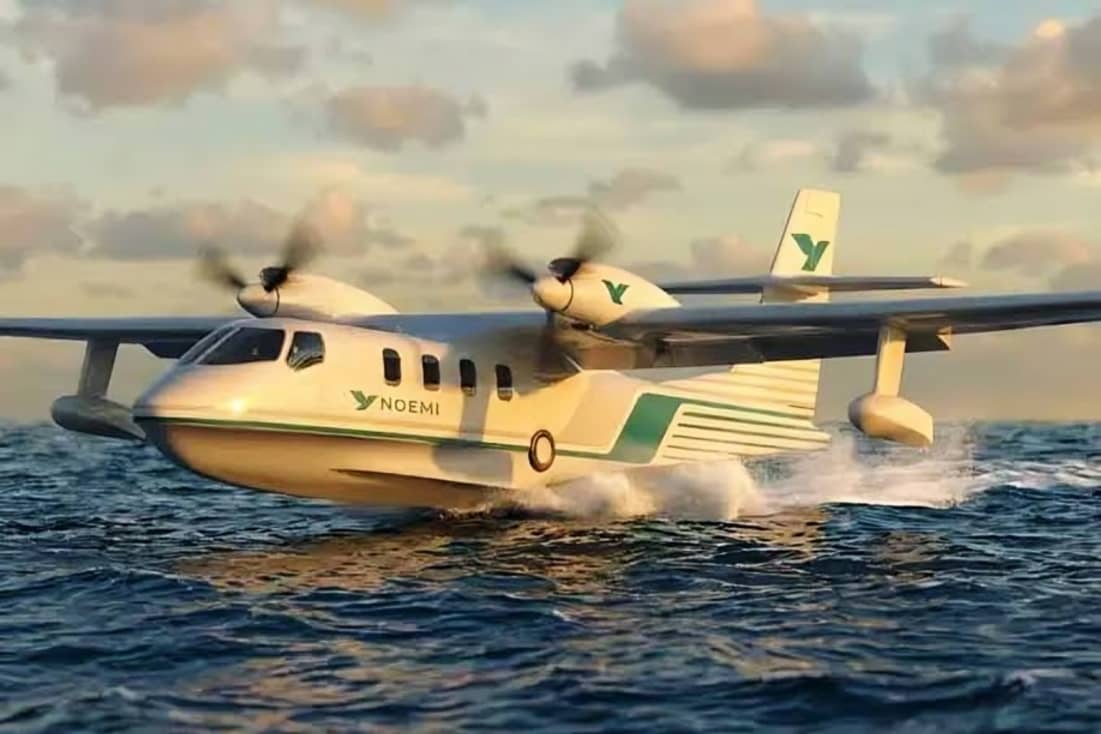
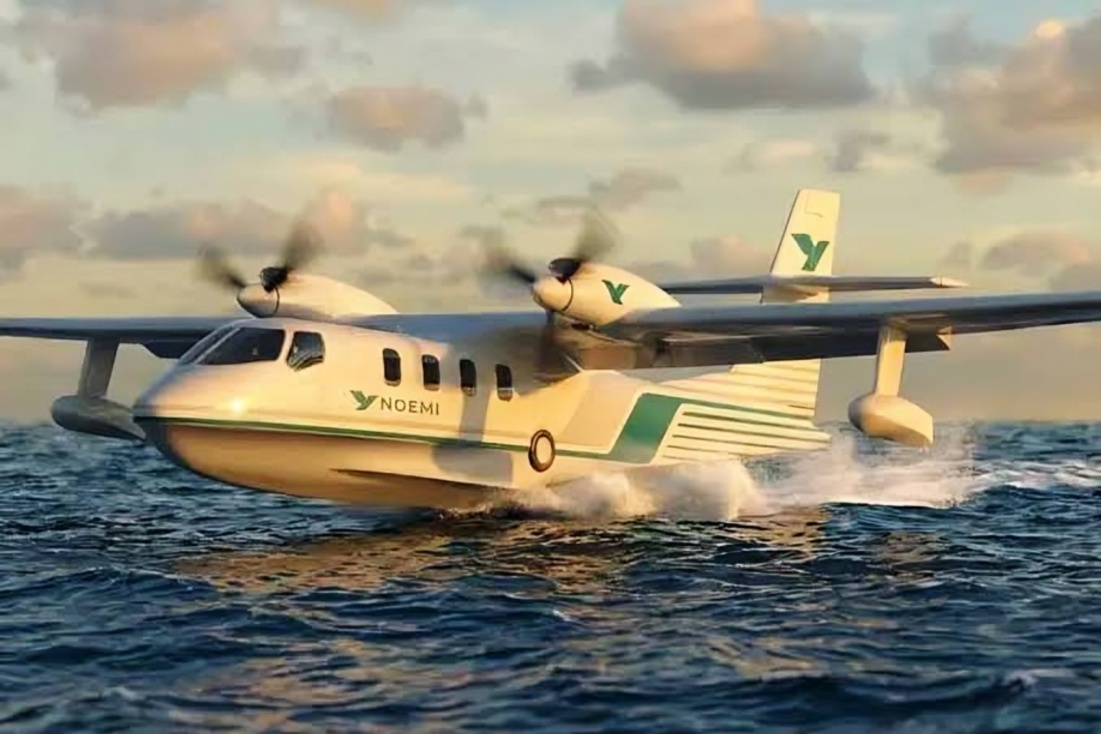
SkyHop Aviation has taken a significant step towards exploring cleaner regional air connectivity by signing a Memorandum of Understanding with NOEMI Aerospace for potential electric and hybrid seaplane operations in India and the wider South Asian region.
The agreement will allow both companies to examine the feasibility of introducing NOEMI aircraft into SkyHop's planned fleet. The assessment will cover technical, operational, commercial and regulatory requirements before any final decision is taken on aircraft induction or regular commercial operations.
SkyHop Aviation is targeting a fleet of up to 40 aircraft by financial year 2030. According to the company, electric and hybrid seaplanes could account for approximately 20 to 25 percent of that planned fleet, subject to operational suitability and the necessary regulatory approvals.
As part of the proposed cooperation, SkyHop is considering the induction of up to 10 NOEMI aircraft by 2030. The aircraft could be acquired through outright purchases, leasing or a combination of both, depending on commercial evaluation and future agreements. The company may also consider an option for up to five additional aircraft after 2030, depending on the performance of the aircraft and the success of the initial induction.
The partnership is not limited to aircraft operations. SkyHop and NOEMI Aerospace will also explore the possibility of manufacturing and assembling electric and hybrid seaplanes in India. If such plans progress, they could contribute to the development of a domestic ecosystem around electric seaplane technology.
NOEMI Aerospace is a Norwegian aviation company developing a fully electric amphibious seaplane. The aircraft is designed to operate from both water and conventional runways, potentially allowing operators to connect coastal areas, islands, lakes and other locations where traditional airport infrastructure may be difficult to develop.
The company's official information states that it is developing a full-scale experimental NOEMI aircraft, with the first flight targeted for 2027 and commercial operations targeted for 2030. NOEMI has also reported more than 70 soft orders across five continents.
For India, the potential application of electric seaplanes is particularly significant because of the country's extensive coastline, islands, rivers, lakes and other water bodies. Seaplanes can potentially provide direct regional connections without requiring conventional airport infrastructure at every destination.
SkyHop's initial operational plans are focused on improving connectivity between the Lakshadweep islands and mainland India. The company has planned operations using a 19-seat Twin Otter seaplane while also evaluating other parts of the country where seaplane services could reduce travel times and address gaps in conventional aviation infrastructure.
India has already taken steps to create a policy framework for seaplane operations. In August 2024, the Ministry of Civil Aviation introduced guidelines for seaplane operations and highlighted the potential of India's rivers and lakes for developing this segment. The government also stated that research into technologies such as electric seaplanes could help reduce carbon emissions.
A further development came in May 2026, when a seaplane operated by SkyHop completed a trial flight between Kochi and Lakshadweep. The aircraft landed at Agatti and subsequently at Kavaratti, with officials from SkyHop and the Directorate General of Civil Aviation involved in monitoring the operation and safety standards.
These developments indicate that India's seaplane sector is moving from policy discussions and trials towards the development of actual regional networks.
Electric propulsion could become particularly relevant for shorter seaplane routes. NOEMI states that seaplane operations are well suited to electric aviation because many routes are relatively short. The company is developing its aircraft with the aim of reducing emissions, noise and operating costs.
However, the introduction of electric seaplanes in India will depend on several factors. Aircraft certification, safety requirements, charging infrastructure, battery technology, water aerodrome facilities and regulatory approvals will all play an important role.
The companies therefore intend to evaluate the practical feasibility of the technology before moving towards commercial deployment. The MoU itself represents an exploratory agreement rather than a confirmation that electric seaplane services will begin immediately.
For SkyHop, the agreement with NOEMI provides an opportunity to examine how next-generation aircraft could form part of its longer-term fleet strategy. For NOEMI Aerospace, India represents a potentially important market because of its geography and growing interest in regional aviation.
The proposed manufacturing and assembly discussions could also be significant. If production or assembly activities eventually take place in India, the initiative could potentially support local aerospace capabilities, engineering employment and related supply chains.
The wider South Asian market could provide additional opportunities. Countries across the region have coastlines, islands, rivers and tourism destinations that may benefit from short-distance air connectivity. Electric and hybrid seaplanes could potentially offer an alternative to conventional aircraft on selected routes, subject to operating conditions and regulatory approvals.
The latest MoU therefore represents an early stage in a broader effort to explore sustainable regional aviation. SkyHop's plans for a larger seaplane fleet, combined with NOEMI's electric aircraft development programme, could create new possibilities for water-based air connectivity.
At the same time, the success of the initiative will depend on aircraft performance, certification, operating economics and the development of suitable infrastructure. The companies will need to complete their technical and commercial assessments before final aircraft orders or commercial operations can be confirmed.
For now, the agreement marks an important development in India's emerging seaplane industry. With government guidelines already in place, successful trial operations completed and new aircraft technologies being evaluated, the country's regional aviation sector is beginning to explore alternatives beyond conventional airports.
If the planned evaluations and regulatory processes progress successfully, electric and hybrid seaplanes could eventually become part of India's regional aviation network, particularly on short routes connecting islands, coastal destinations and remote areas.