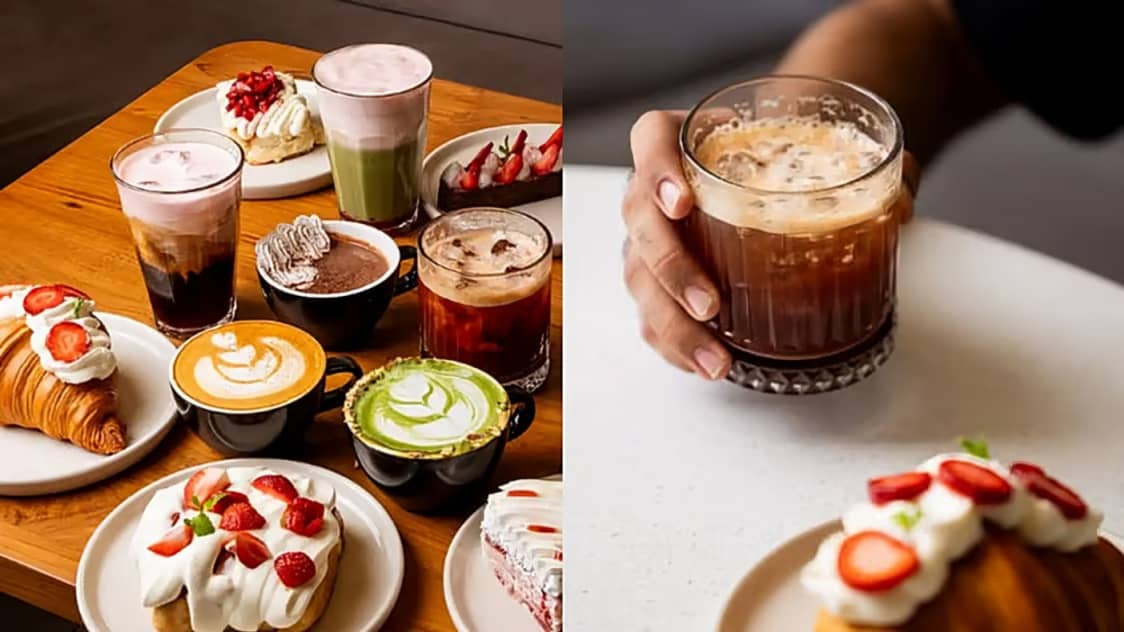

India’s specialty coffee industry is entering a new phase, with growth opportunities increasingly moving beyond the country’s major metropolitan markets. According to Ritika Sharma, Founder of Pour Over Coffee Roasters, Tier 2 and Tier 3 cities could become the next major frontier for specialty coffee as consumers in these markets develop a stronger interest in premium beverages and coffee experiences.
For years, specialty coffee in India was largely associated with major cities such as Delhi, Mumbai, Bengaluru and other metropolitan centres. These markets provided an early customer base for premium cafés, independent roasters and modern coffee brands.
However, the coffee landscape is gradually changing.
Smaller cities are now witnessing a growing interest in specialty coffee, driven by changing consumer preferences, rising disposable incomes, greater exposure to global food and beverage trends and increased awareness through digital platforms.
Ritika Sharma has highlighted this change as an important opportunity for the industry. Her view is that the biggest untapped potential for specialty coffee may no longer be concentrated exclusively in metropolitan cities. Instead, smaller urban centres could provide the next significant phase of growth.
One of the major changes in consumer behaviour is the growing interest in understanding coffee beyond the final beverage. Consumers are increasingly interested in where coffee beans come from, how they are roasted and how different brewing techniques affect flavour.
This shift is important for specialty coffee businesses because the category is built around quality, traceability and brewing expertise.
The modern coffee consumer is not necessarily looking only for caffeine. Increasingly, customers are looking for an experience that includes the taste, preparation process, atmosphere and knowledge associated with the beverage.
This trend is being seen beyond India's largest cities as well.
Cities such as Nagpur, Ahmedabad and Jaipur have been identified as emerging markets in India's evolving specialty coffee ecosystem. The growing presence of roasters and cafés in such locations indicates that premium coffee consumption is gradually spreading geographically.
For coffee brands, this creates a new expansion opportunity.
Metro cities remain important markets, but competition in these locations can also be intense. Rental costs, operating expenses and the large number of established cafés can make expansion more challenging.
Tier 2 and Tier 3 cities can offer a different business environment. Growing consumer demand combined with developing café cultures can provide brands with an opportunity to establish themselves before these markets become highly competitive.
The potential is not limited to physical cafés.
Specialty coffee brands can also reach customers in smaller cities through packaged coffee, online sales, home brewing products, workshops and educational programmes.
This creates several possible routes for expansion.
Pour Over Coffee Roasters has positioned itself around making specialty coffee more accessible while developing greater consumer awareness about coffee. The company was founded by Ritika Sharma, Umesh Kapoor and Aditya Sharma and has expanded its presence across several locations.
The brand's founders have also emphasised the importance of education and accessibility in building India's specialty coffee culture.
Aditya Sharma has professional coffee training from the Espresso Academy in Florence and leads the coffee programme. The brand has described its approach as combining international coffee standards with an Indian understanding of consumers.
This focus could become particularly relevant in smaller cities.
When specialty coffee enters a developing market, consumer education can play an important role. Customers who are accustomed to traditional coffee preparations may need more exposure to pour-over coffee, espresso-based beverages, single-origin beans and other specialty formats.
Workshops and tasting experiences can help customers understand the differences between ordinary commercial coffee and specialty coffee.
Pour Over Coffee Roasters has reported growing interest in manual brewing and home-brewing workshops, reflecting a wider curiosity about the preparation of coffee.
This interest could provide a foundation for further growth.
Another factor supporting the expansion of coffee culture is India's young working population. Coffee consumption is increasingly becoming associated with work, socialising, leisure and lifestyle.
Cafés are also evolving into spaces where people can work, meet friends, conduct informal meetings or simply spend time outside their homes.
This broader role makes specialty cafés more than beverage outlets.
In smaller cities, the emergence of modern café spaces can create new social environments. Young consumers may increasingly seek places that combine quality food and beverages with comfortable surroundings and community experiences.
This can benefit specialty coffee brands that build their businesses around more than simply selling coffee.
The opportunity also extends to local coffee producers.
India is one of the world's important coffee-growing countries, with major production regions in southern states. As domestic consumers become more knowledgeable about coffee, there is potential for greater appreciation of Indian-origin beans.
The farm-to-cup concept can help connect consumers with producers by explaining the journey of coffee from cultivation and processing to roasting and brewing.
Consumer interest in this journey is becoming more important for specialty coffee brands.
Ritika Sharma has noted that modern consumers increasingly want to understand the journey of their coffee, including sourcing, roasting and brewing techniques.
This indicates a shift from simply consuming coffee to developing a deeper understanding of the product.
The growth of Tier 2 and Tier 3 markets could also encourage more entrepreneurs to enter the specialty coffee sector.
Local café operators may increasingly experiment with premium coffee formats, while established roasters could look for strategic locations outside major metropolitan areas.
The competition could therefore expand across the country.
However, expansion into smaller cities also presents challenges.
Consumer awareness can vary significantly between markets. A concept that works in a large metropolitan city may not automatically succeed in a smaller city.
Pricing is another important consideration.
Specialty coffee generally involves higher costs because of bean quality, roasting standards, equipment, trained staff and preparation methods. Brands entering smaller cities will need to balance premium positioning with local purchasing power.
Accessibility will therefore remain an important factor.
Pour Over Coffee Roasters has previously said that its objective is to make high-quality coffee more accessible rather than positioning specialty coffee solely as a luxury product.
This approach could be useful when entering emerging markets.
Another important factor is authenticity.
Coffee trends can attract customers, but long-term growth depends on consistent quality. Pour Over Coffee Roasters has stated that its approach is to keep most of its offering rooted in authenticity and quality while allowing a smaller portion of its menu to respond to current trends.
Such a strategy could help brands maintain a clear identity while adapting to changing consumer preferences.
The growth of specialty coffee in smaller cities also reflects a wider transformation in India's food and beverage industry.
Consumers outside metropolitan centres are increasingly exposed to national and international brands through social media, e-commerce, travel and digital entertainment.
This exposure has narrowed the gap between consumer preferences in metros and smaller cities.
A customer in a Tier 2 city can now discover the same coffee preparation techniques, café trends and international beverage styles that are popular in larger cities.
This creates a more favourable environment for specialty coffee.
At the same time, smaller cities can develop their own coffee identities rather than simply copying metropolitan trends.
Local preferences, regional ingredients and community-focused cafés could become important elements of the next phase of India's coffee culture.
For specialty coffee companies, understanding these local differences will be essential.
Expansion strategies may therefore need to be measured rather than aggressive. Selecting the right locations, understanding local demand and building customer communities can be more important than simply increasing the number of outlets.
Pour Over Coffee Roasters has described its expansion philosophy as involving different business models designed to meet different consumer needs and experiences.
The approach highlights the importance of adapting the business model to the location.
The specialty coffee opportunity also extends beyond cafés.
Roasted coffee sold through retail channels and online platforms can allow brands to reach consumers who may not have a specialty café nearby.
Home brewing is another area with significant potential. Consumers who learn about different brewing methods may begin purchasing better-quality beans and equipment for use at home.
This can create a broader specialty coffee ecosystem.
Workshops, tasting sessions and coffee education can further strengthen customer engagement.
As awareness increases, consumers may become more willing to experiment with different origins, roast levels and brewing techniques.
This could gradually transform coffee from a routine beverage into a more experience-driven category.
The trend is also significant for India's hospitality industry.
Hotels, restaurants and independent cafés are increasingly paying attention to coffee quality. A stronger specialty coffee culture can therefore influence menus and beverage programmes across the hospitality sector.
Smaller cities with growing tourism can be particularly attractive.
Locations that receive domestic and international visitors may provide specialty coffee businesses with customers who are already familiar with premium coffee culture.
The entry of specialty brands into these markets could therefore accelerate local awareness.
For the wider coffee industry, the emergence of Tier 2 and Tier 3 cities represents a potentially important shift in where future growth will come from.
The next generation of coffee consumers may not be concentrated only in India's largest urban centres.
As smaller cities develop economically and culturally, demand for premium food and beverage experiences is likely to evolve with them.
Specialty coffee companies that recognise this change early could have an opportunity to establish strong local relationships.
The challenge will be to make premium coffee approachable without compromising on quality.
Education, affordability, consistency and local relevance are likely to determine which brands succeed.
Pour Over Coffee Roasters' assessment reflects this broader transformation.
The company has already been expanding beyond its original Delhi NCR presence, with outlets and operations extending to other regions. Its stated focus remains on creating accessible specialty coffee while building a stronger coffee culture.
As India's coffee market continues to mature, the distinction between metro and non-metro consumers may become less important.
The future of specialty coffee could increasingly depend on reaching consumers wherever interest in quality coffee is developing.
Tier 2 and Tier 3 cities therefore represent more than an expansion opportunity. They could become important centres of India's next coffee culture.
For the industry, the message is clear. The specialty coffee story is no longer limited to India's biggest cities. Growing awareness, changing lifestyles and greater consumer curiosity are opening new markets across the country.
If this momentum continues, smaller cities could play a central role in shaping the next stage of India's specialty coffee industry.