Delhi Plans Medical Rooms in 1,086 Schools With Menstrual Health Support for Girls
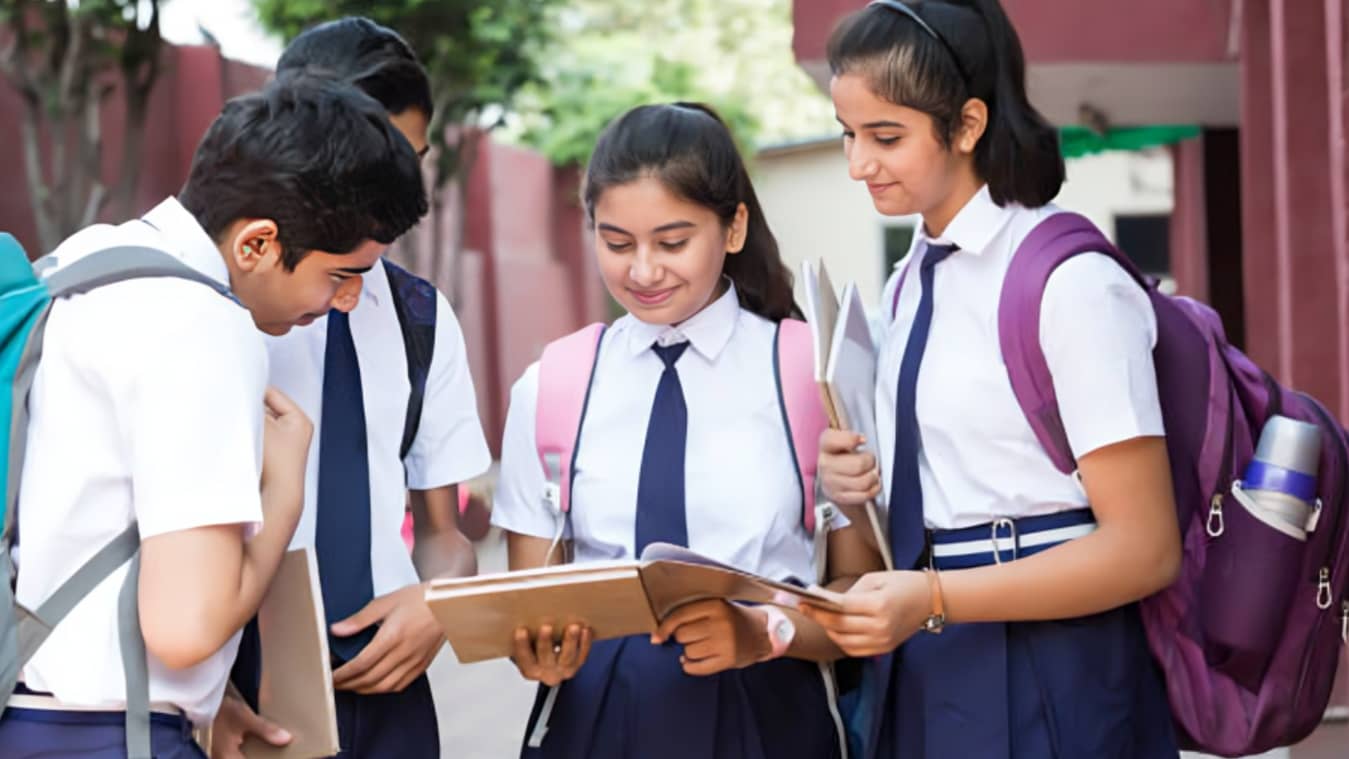
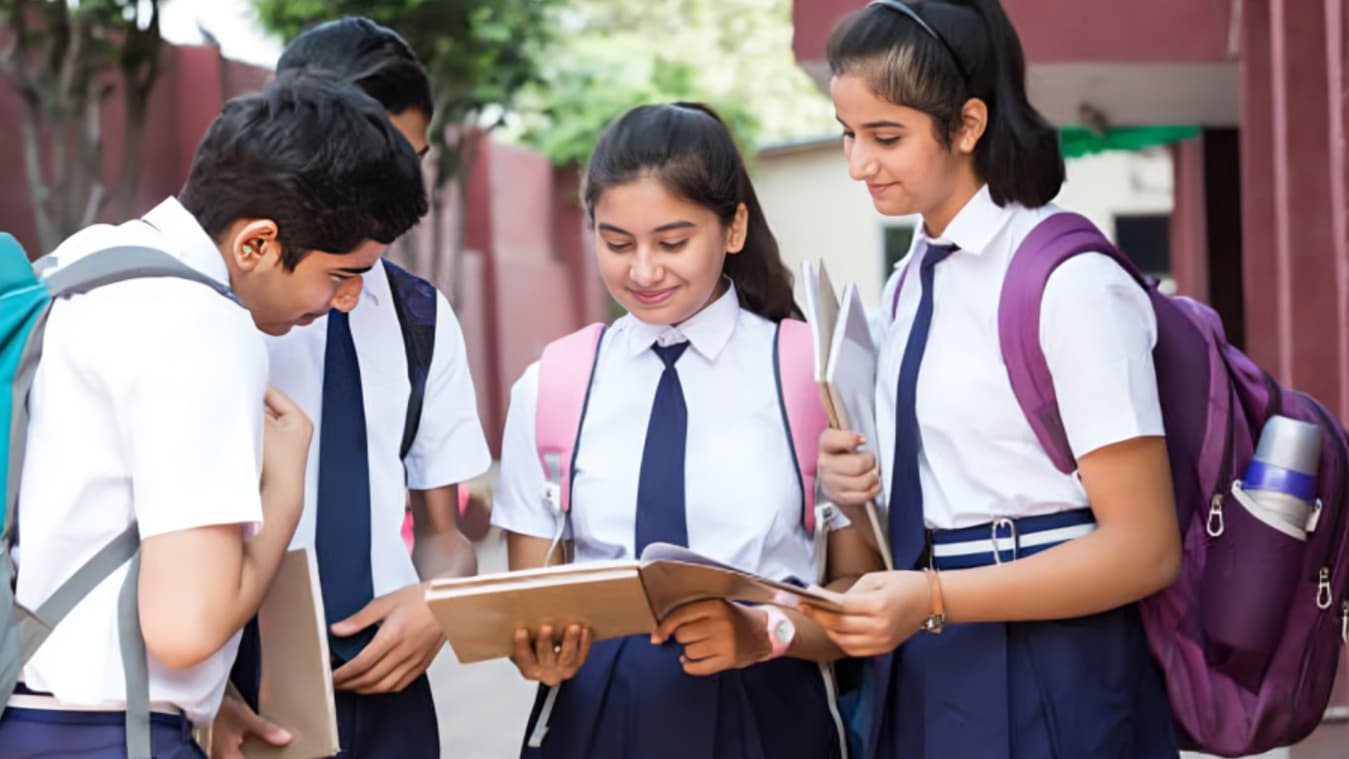
The Delhi government has announced plans to establish first aid medical rooms in all 1,086 government schools managed by the Directorate of Education. The initiative aims to provide students with immediate basic medical assistance during school hours, while also ensuring that girls have access to privacy and support for menstrual health needs.
The proposed programme is estimated to cost Rs 48.87 crore annually. Delhi Education Minister Ashish Sood said the facilities would help students receive timely assistance when they experience minor injuries, sudden illness, dizziness or other temporary health problems on school premises.
The initiative is intended to strengthen student safety and create a more supportive school environment. Its implementation will take place in phases, depending on the availability of suitable rooms and the infrastructure requirements of individual schools.
Medical Rooms to Provide Basic Healthcare
Under the proposed arrangement, each government school will have a designated medical room staffed by a trained health worker. The personnel could include an Auxiliary Nurse Midwife or a multipurpose health worker.
The facilities are expected to provide basic first aid for common health problems that may arise during the school day. Students who sustain minor injuries will be able to receive wound dressing and other basic assistance without immediately leaving the school premises.
The rooms will also provide oral rehydration solution, commonly known as ORS, where appropriate, along with a supervised place for students who need temporary rest because of dizziness, fatigue or sudden discomfort.
However, the medical rooms will have a limited scope. They will not provide diagnostic services or prescribe medicines. Students who require further medical evaluation or treatment will need appropriate medical care beyond the basic services available at school.
The availability of trained personnel is expected to help schools respond more effectively to everyday health concerns while reducing unnecessary interruptions to classroom activities.
Special Support for Girls' Menstrual Health
An important feature of the initiative is the provision of a private space for girls experiencing menstrual discomfort during school hours.
Menstrual health can affect a student's comfort, concentration and ability to participate fully in classroom activities. Girls who experience pain or discomfort at school may need a private and supportive environment where they can rest and seek assistance.
The proposed medical rooms are intended to address this need by providing a designated space where female students can manage menstrual health concerns with greater privacy.
The initiative also highlights the importance of recognising menstrual health as part of student wellbeing. Access to appropriate support at school can help create an environment in which girls feel more comfortable seeking assistance when necessary.
The precise arrangements for menstrual products and other specific services should be confirmed through the government's detailed implementation guidelines.
Rollout to Take Place in Phases
The Delhi government plans to introduce the facilities in phases rather than establish all the medical rooms simultaneously.
Schools that already have suitable separate rooms are expected to be covered first. Schools that lack dedicated space may subsequently use alternative rooms or portable cabins, depending on their infrastructure requirements.
The phased approach is intended to help the government extend the programme across the school network while accounting for differences in available facilities.
Earlier, Chief Minister Rekha Gupta had announced a pilot initiative involving 100 government schools. The broader plan now covers all 1,086 schools, with the rollout expected to proceed in stages.
The availability of appropriate space, trained personnel and operational arrangements will be important factors in determining how quickly the facilities become functional across the network.
Estimated Annual Expenditure of Rs 48.87 Crore
The proposed annual expenditure of Rs 48.87 crore reflects the scale of the programme, which is intended to cover all 1,086 government schools under the Directorate of Education.
The funding is expected to support the provision of medical facilities and trained health workers. The government has presented the initiative as part of its efforts to improve access to basic healthcare within educational institutions.
The programme is also aligned with the broader objectives of the National Education Policy 2020, which emphasises safe, inclusive and supportive learning environments.
By providing immediate basic assistance on school premises, the government aims to ensure that students experiencing minor health problems can receive timely attention without unnecessary disruption to their education.
The effectiveness of the initiative will depend on the availability of trained personnel, the suitability of the medical rooms and the implementation of clear procedures for handling situations that require more advanced care.
How the Initiative Could Benefit Students
The proposed medical rooms could offer several practical benefits for students, teachers and parents.
Students who experience minor injuries or sudden discomfort during school hours would have a designated place to seek assistance. Teachers could direct students to trained health workers rather than rely solely on informal arrangements within the school.
For parents, the availability of basic medical support could provide reassurance that their children have access to assistance while attending classes.
The private spaces planned for girls could also help address menstrual health concerns more comfortably. This aspect is particularly important because students should be able to seek support for routine health needs without embarrassment or unnecessary disruption.
At the same time, these facilities are not intended to replace hospitals, clinics or qualified medical treatment for serious conditions. Clear referral procedures will remain important when students require further assessment.
What Happens Next?
The next stage will involve implementing the programme across the identified schools, beginning with institutions that already have suitable rooms. Schools requiring alternative spaces or portable cabins will be included in subsequent phases.
Further details about staffing, operational standards and the exact timeline for individual schools will be important for assessing the progress of the initiative.
For now, the plan represents a proposed expansion of basic healthcare support within Delhi's government school system. Its impact will depend on how effectively the medical rooms are established and maintained, and whether students can access the services when they need them.
By combining basic first aid with dedicated menstrual health support, the initiative aims to make government schools more responsive to students' everyday health needs while promoting a safer and more supportive learning environment.