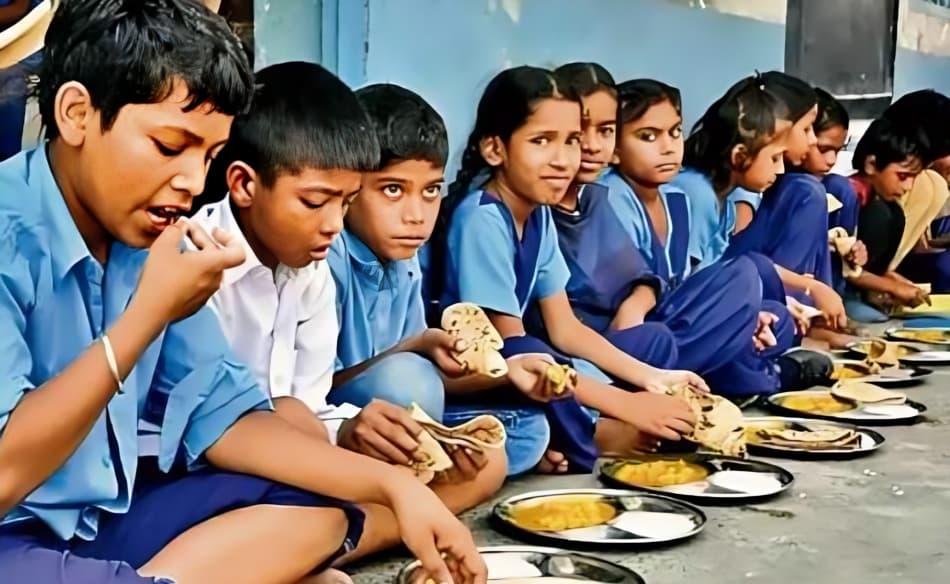
Schools across Gujarat have taken significant steps to promote the health and well-being of students by implementing morning breakfast programs. Recognizing the link between nutrition and learning outcomes, educational authorities have encouraged schools to ensure children begin their day with balanced meals that provide the necessary energy for classroom activities.
These breakfast programs are designed to include a combination of fruits, milk, whole grains, and local nutritious items that cater to the dietary needs of growing children. By providing a healthy start to the day, schools aim to enhance concentration, cognitive development, and physical health. Nutrition experts involved in the program have highlighted that consistent access to nutritious food can reduce fatigue, improve memory retention, and support overall growth in school-aged children.
Teachers and school staff are actively involved in promoting awareness about healthy eating habits. Students are encouraged to consume fresh and wholesome foods rather than packaged snacks high in sugar or fats. Educational activities, workshops, and interactive sessions about nutrition are often organized to ensure children understand the importance of maintaining a balanced diet.
Parents are also included in the process through awareness campaigns and community meetings. Schools emphasize collaboration between educators and families to reinforce healthy eating habits at home. This approach helps create a holistic environment where children can practice and benefit from nutritious food both at school and in daily life.
The program has been implemented in both urban and rural schools, ensuring equitable access to nutritious meals for children from diverse backgrounds. In rural areas, breakfast programs also help address issues of food security, providing children with consistent access to essential nutrients. Local government authorities monitor the quality of food and maintain hygiene standards to ensure safety and effectiveness.
Several schools have reported positive outcomes from the initiative. Teachers observe improved attentiveness in classrooms, better participation in physical activities, and a general increase in students’ energy levels. Health check-ups conducted periodically indicate improved nutrition levels, weight management, and overall fitness among participating children.
Beyond nutrition, the breakfast programs also foster social engagement among students. Children gather in school cafeterias or designated areas, promoting interaction, cooperation, and teamwork while enjoying their meals. The initiative is part of a broader effort by the Gujarat government and educational institutions to enhance child welfare, health, and education simultaneously.
By ensuring that children receive a healthy start to their day, schools across Gujarat are contributing to long-term benefits in education, health, and overall development. The program demonstrates how simple yet structured interventions, when implemented effectively, can make a meaningful difference in children’s lives.