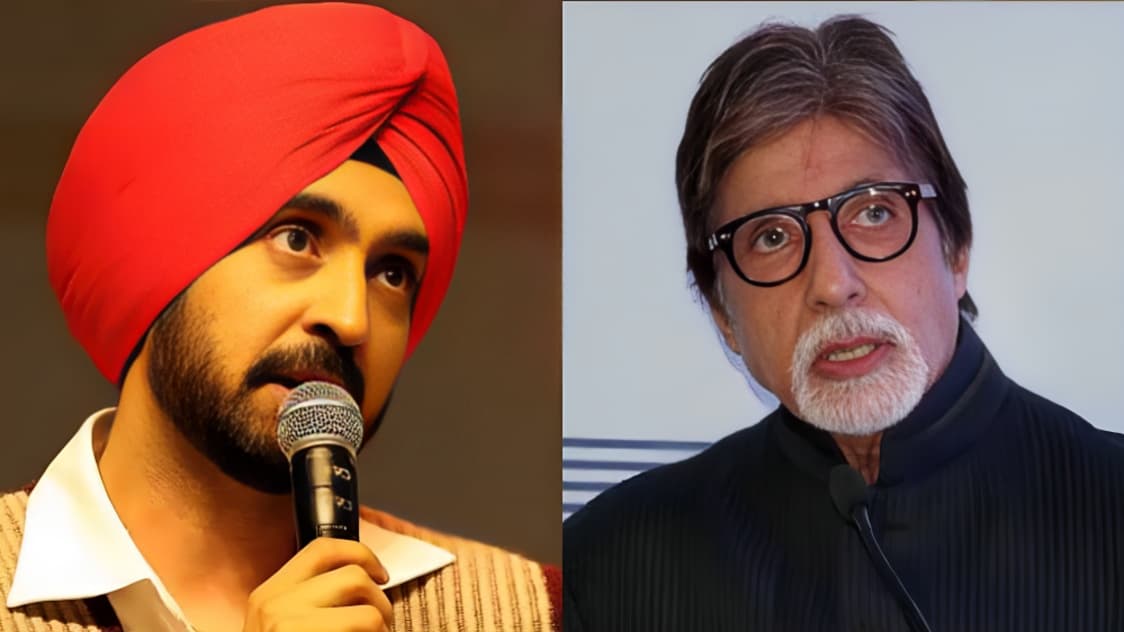
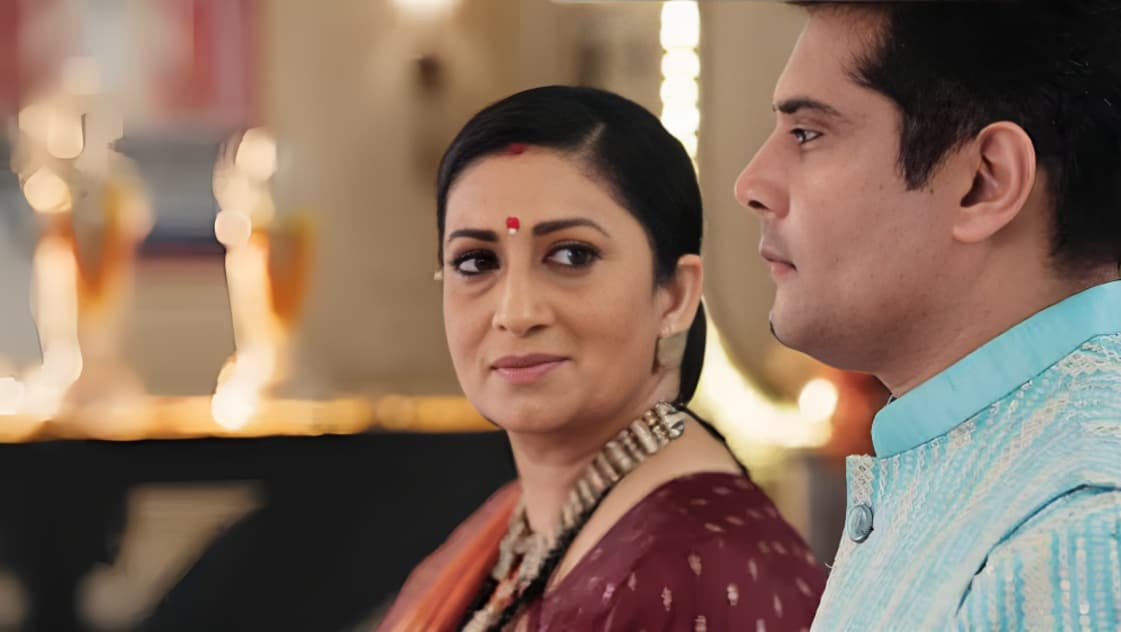
Actor Rakesh Bedi has issued a public apology after facing backlash over his use of a term that is widely considered inappropriate in India. The controversy emerged after a video of his remarks circulated on social media, prompting criticism from various quarters.
The issue came into focus when Kailash Jaiswar, the Mumbai State President of the Azad Samaj Party, shared the video and objected to the language used by the actor. He stated that the term is no longer acceptable and has been officially discouraged in public usage. The post quickly gained attention, leading to widespread discussion online.
Following the backlash, Rakesh Bedi responded by issuing an apology. He expressed regret for his choice of words and clarified that there was no intention to hurt or offend any community. He acknowledged that certain terms have evolved in their usage over time and emphasized the need to be mindful of language in public interactions.
The incident has once again highlighted the importance of using respectful and inclusive language, especially by public figures who have a wide audience. In India, there has been a growing awareness about the need to avoid terms that may be perceived as insensitive or outdated. Legal and social frameworks have also evolved to promote dignity and equality in communication.
Public reactions to the controversy have been mixed, with some individuals calling for greater sensitivity while others have viewed the issue as an opportunity for awareness and education. Experts note that such incidents can serve as reminders of how language reflects societal values and the need to adapt to changing norms.
The debate has also extended to discussions about the role of media and social platforms in amplifying such issues. With the rapid spread of information, public figures are increasingly being held accountable for their statements. This has led to a greater emphasis on responsible communication and awareness of cultural sensitivities.
In the entertainment industry, where actors often engage with diverse audiences, maintaining respectful language is particularly important. Industry observers point out that public apologies in such situations are a step towards acknowledging concerns and addressing misunderstandings.
The controversy surrounding Rakesh Bedi also underscores the broader conversation about evolving language norms in India. As society becomes more conscious of inclusivity and respect, there is an increasing expectation for individuals, especially those in the public eye, to align with these values.
While the situation has drawn criticism, it has also opened up space for dialogue on how language can impact communities. Educational efforts and awareness campaigns are often seen as effective ways to address such issues in the long term.
Overall, the incident serves as a reminder of the importance of sensitivity in communication. It highlights how public figures can influence discourse and the responsibility that comes with their platform.