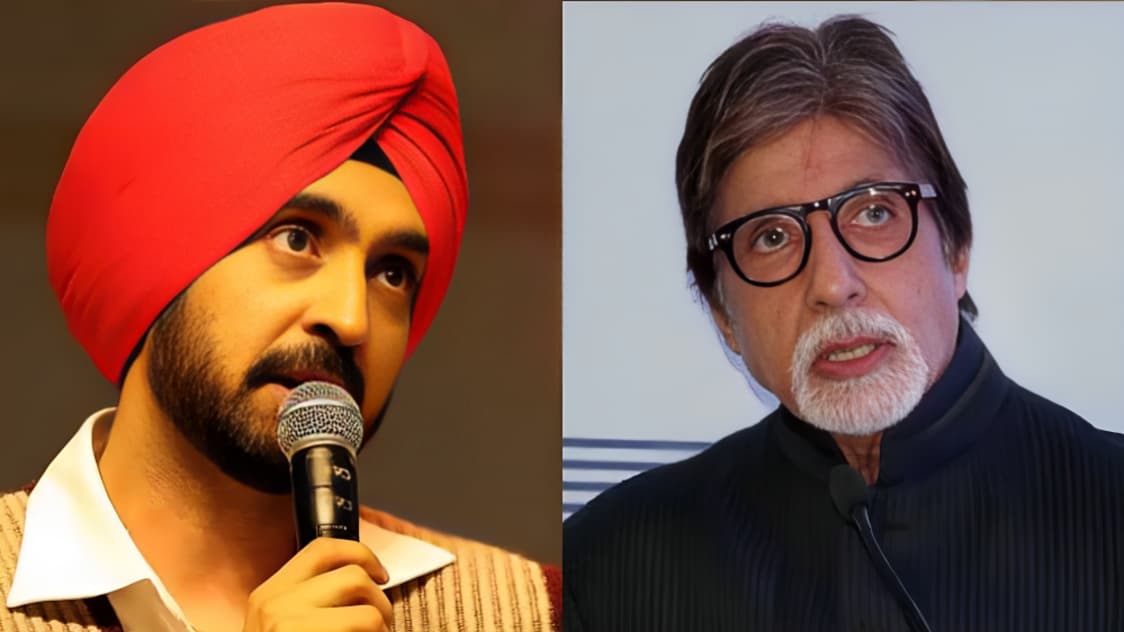
Bengaluru Police have decided to move the High Court against popular singer Sonu Nigam for non-compliance in the ongoing legal proceedings related to his remarks during a recent concert. The move comes after repeated efforts by authorities to ensure cooperation and adherence to previous directives in the matter reportedly did not yield the expected response.
The controversy began when Sonu Nigam made comments during a public performance that allegedly led to public dissatisfaction and complaints. The authorities, acting on these complaints, initiated legal proceedings to examine the nature of the remarks and their potential impact on public sentiment. The case has since attracted significant media attention, given the prominence of the singer and the sensitivity of the issues involved.
Bengaluru Police emphasized that the decision to approach the High Court is aimed at ensuring compliance with existing legal directives and safeguarding the rule of law. Authorities noted that the legal process is not intended to target personal expression but to ensure that all parties adhere to the requirements set forth by the judicial system. The move highlights the importance of accountability and the enforcement of court orders in high-profile cases.
Legal experts observing the case have pointed out that non-compliance with judicial instructions can lead to additional legal scrutiny and potential penalties. In matters involving public figures, such proceedings also serve to reinforce the principle that fame or popularity does not exempt individuals from following legal obligations. The Bengaluru Police action underscores the commitment of law enforcement to uphold these principles.
The High Court will now consider the police petition, reviewing the circumstances of non-compliance and determining the appropriate legal course of action. This may include issuing directions to the concerned parties, ensuring cooperation, or imposing consequences for failure to adhere to previous orders. Legal representatives for Sonu Nigam are expected to present their response and justification during the court proceedings.
Observers note that this case illustrates the balance between freedom of expression and accountability within the legal framework. While artists and public figures are entitled to voice opinions, remarks that provoke public controversy or legal complaints are subject to judicial review. The current proceedings aim to resolve the issue through structured legal mechanisms rather than escalating public disputes.
Authorities have reiterated the importance of cooperation from all parties involved to ensure timely resolution. The High Court’s involvement is expected to provide clarity, enforce compliance, and facilitate a fair adjudication of the matter. Law enforcement officials also hope that this step will prevent further complications and ensure that the legal process is respected.
In conclusion, Bengaluru Police’s decision to move the High Court against Sonu Nigam reflects the emphasis on compliance with judicial directives in high-profile cases. The proceedings are intended to ensure accountability, maintain public trust, and resolve the ongoing dispute over the singer’s concert remarks through proper legal channels. The High Court’s intervention is expected to provide a structured resolution while reinforcing the principles of law and fairness.