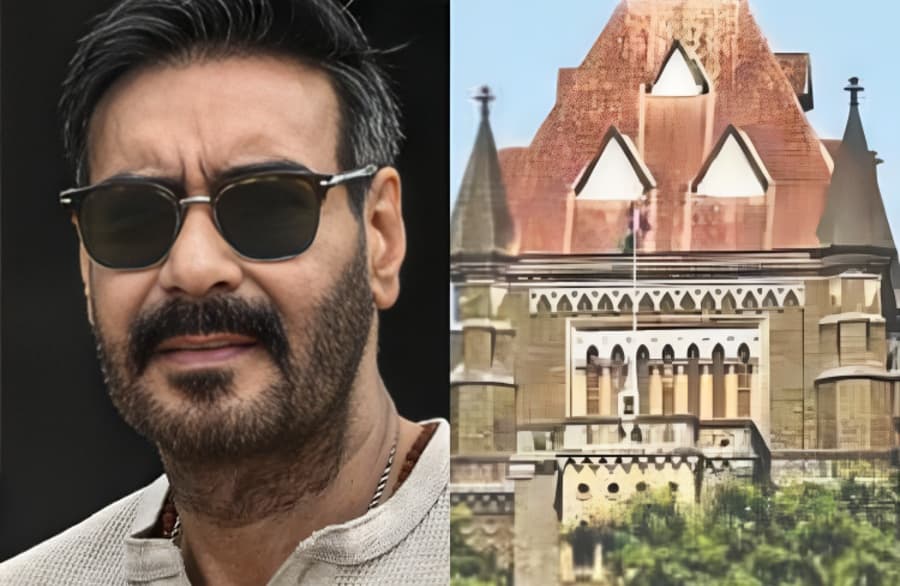

Bombay High Court Keeps Imran Khan's Leave India Notice on Hold Until December 7 After Unconditional Apology
Actor Imran Khan has received temporary relief from the Bombay High Court in his legal challenge against a notice directing him to leave India. On November 2, the court extended its interim protection against the Foreigners Regional Registration Office's Leave India notice after the actor tendered an unconditional apology and gave an undertaking that he would not participate in protests in the future.
The court has kept the notice in abeyance while the Foreigners Regional Registration Office considers his response. The actor's petition will be heard again on December 7.
Imran Khan is a US citizen and an Overseas Citizen of India cardholder. The matter began after he was detained during a protest in Mumbai on October 10. The demonstration was connected to demands for the resignation of Chief Election Commissioner Gyanesh Kumar over the Special Intensive Revision of electoral rolls.
1. Bombay High Court Extends Interim Protection
The Bombay High Court continued its earlier order keeping the Leave India notice against Imran Khan on hold. The notice had been issued by the Foreigners Regional Registration Office, directing the actor to leave India by October 28.
The court had initially suspended the operation of the notice until November 2. During the latest hearing, the bench extended the protection and listed the matter for December 7.
The interim order means that the actor is not required to leave India under the challenged notice while the temporary protection remains in force. However, this is not a final decision on his petition or his immigration status.
The court has indicated that the FRRO must provide him with an opportunity to respond before deciding the matter.
2. Actor Submits an Unconditional Apology
During the hearing, Imran Khan's lawyer, senior advocate Venkatesh Dhond, submitted an unconditional apology on the actor's behalf.
Khan also gave an undertaking that he would not participate in protests or similar demonstrations in the future. His legal team assured the court that he would not encourage or instigate others to take part in such activities.
The apology and undertaking came after the bench raised questions about his participation in the October 10 demonstration. The court noted that Khan was an OCI cardholder and was not directly affected by the Special Intensive Revision exercise.
The court had sought a clear explanation of why he was present at the protest. The undertaking and apology were subsequently placed before the bench during the hearing.
3. Why Was a Leave India Notice Issued?
The case originated from a protest held at Mumbai's August Kranti Maidan on October 10. Demonstrators had gathered in connection with protests against Chief Election Commissioner Gyanesh Kumar and the Special Intensive Revision of electoral rolls.
Imran Khan was detained by Mumbai Police during the demonstration. Following the incident, a complaint was filed alleging that the actor had violated conditions applicable to OCI cardholders.
The police subsequently forwarded information concerning the incident to the Foreigners Regional Registration Office. The FRRO issued a Leave India notice on October 14, directing Khan to leave the country by October 28.
The actor challenged the notice before the Bombay High Court, arguing that the action was arbitrary and that he had not been given a proper opportunity to explain his position before the order was issued.
4. What Did Imran Khan Say in His Petition?
In his petition, Khan disputed the allegation that he had participated in or organised the protest. His legal team argued that he had gone to the area out of curiosity and was not associated with the organisers.
The actor also challenged the procedure followed by the authorities. His petition questioned whether the FRRO could direct him to leave India without first giving him an opportunity to respond to the allegations.
Khan's lawyers further pointed to his long association with India. He has lived in the country for most of his life and holds an OCI card.
The petition sought relief against the notice and questioned the basis on which the authorities had initiated action. These are the actor's legal arguments and have not yet resulted in a final ruling on the merits of the case.
5. Court's Observations on OCI Cardholders and Protests
During the hearing, the bench made strong observations about the distinction between Indian citizens and Overseas Citizen of India cardholders.
The court stated that an OCI cardholder cannot be treated on par with an Indian citizen and observed that the right to participate in political protests is not available to OCI cardholders in the same way as it is to citizens.
The judges also questioned why Khan had attended a demonstration concerning an electoral exercise that did not directly affect him as an OCI cardholder.
These remarks formed part of the court's observations during the proceedings. The immediate order, however, concerned the continuation of interim protection and the need to give the actor an opportunity to respond to the FRRO notice.
The court also emphasised the importance of considering the circumstances of a person who has lived in India for several decades.
6. Centre Opposes the Actor's Plea
The Centre opposed the relief sought by Imran Khan. Additional Solicitor General Anil Singh, appearing for the government, argued that OCI cardholders have limited rights and cannot claim the same status as Indian citizens.
The Centre also referred to allegations that Khan had encouraged people through social media. Its counsel argued that the government has powers under immigration law to regulate the stay of foreign nationals in India.
Khan's legal team disputed the allegations and maintained that he was not involved in organising the protest.
The court considered the arguments from both sides. While acknowledging the Centre's position on the limited rights of OCI cardholders, the bench also raised concerns about whether the actor had been given an adequate opportunity to respond before the notice was issued.
7. What Does the December 7 Hearing Mean?
The next hearing in the case is scheduled for December 7. Until then, the Leave India notice remains in abeyance under the court's interim protection.
The Foreigners Regional Registration Office will have to consider Khan's response before taking a decision on the notice. The actor's undertaking and unconditional apology have also been taken into account by the court.
The December 7 date does not automatically mean that the actor's immigration dispute will be finally resolved on that day. The court may consider the status of the FRRO proceedings and decide how the petition should proceed.
The final outcome will depend on the authorities' decision and any further directions issued by the High Court.
8. What the Order Means for Imran Khan
The latest order provides temporary legal protection and allows Imran Khan to remain in India while the matter is being considered. It does not cancel the Leave India notice permanently, nor does it amount to a final ruling that the FRRO acted unlawfully.
The case also highlights the distinction between Indian citizenship and OCI status. An OCI card provides certain immigration and residency-related privileges, but it does not grant the holder the full legal and political rights of an Indian citizen.
For now, Khan has secured relief from immediate action under the notice. He has also undertaken not to participate in future protests. The FRRO's decision and the next stage of the High Court proceedings will determine how the matter develops.
The Bombay High Court is expected to take up the actor's petition again on December 7. Until then, the interim protection remains in place, and the final decision on his Leave India notice is still pending.