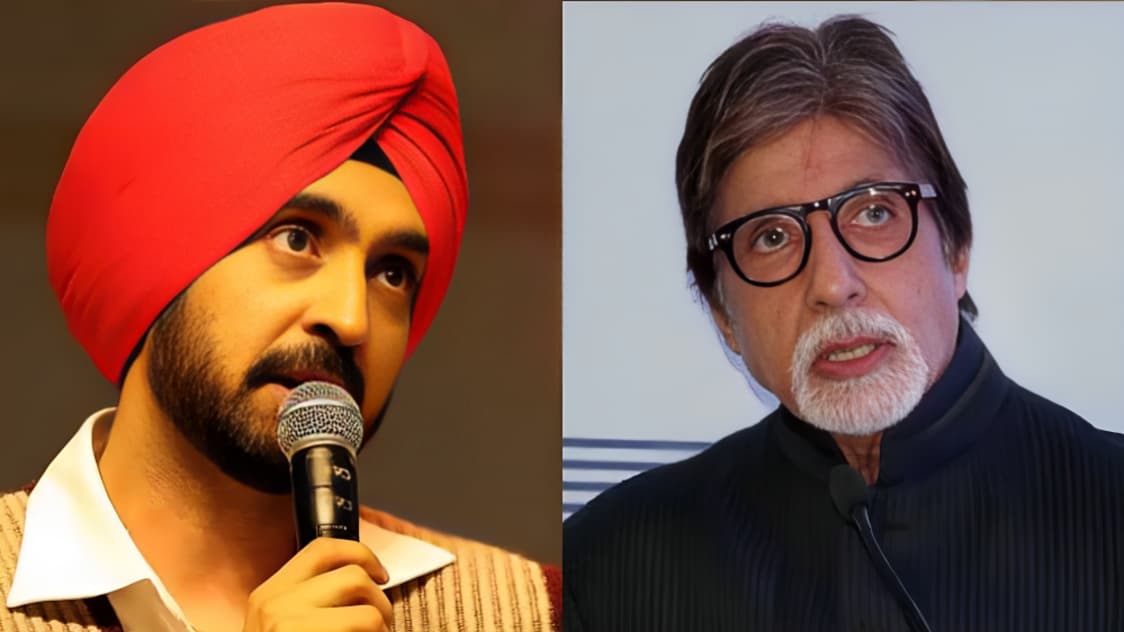
Court Kacheri emerges as a distinctive addition to the courtroom drama genre, delivering not just tense legal showdowns but also a moving story about the evolving relationship between a father and son. Directed with a balance of realism and emotional depth, the film uses the backdrop of legal proceedings to explore personal bonds, generational differences, and the idea of justice in both law and life.
At the heart of the film are Pavan Malhotra and Ashish Verma, whose performances drive the narrative with authenticity and subtlety. Pavan Malhotra portrays the father, a principled and experienced lawyer who believes in the purity of the legal process. His character is grounded in values, with a deep sense of duty towards the truth, even if it comes at a personal cost. Ashish Verma plays his son, a young and ambitious lawyer with a modern outlook, who is eager to make his mark in a competitive legal world.
The story unfolds when the father and son find themselves on opposing sides of a high-stakes case. This professional clash becomes a metaphor for their personal differences, as past resentments, unspoken expectations, and clashing ideologies rise to the surface. While the court scenes are meticulously detailed, reflecting genuine legal procedures, the emotional confrontations between the two characters add a deeply human layer to the narrative.
The screenplay is tightly woven, ensuring that neither the legal drama nor the personal storyline overshadows the other. The dialogues are particularly noteworthy, capturing the sharpness of courtroom arguments while also allowing space for tender and heartfelt exchanges between the father and son. This duality keeps the audience invested in both the verdict of the case and the resolution of their strained relationship.
Supporting performances, including the cast playing fellow lawyers, witnesses, and court staff, add credibility and texture to the story. The director avoids melodrama, instead focusing on small yet powerful moments — a silent glance in the courtroom, an argument over dinner, or a shared memory that resurfaces unexpectedly.
The film’s pacing is deliberate but never slow, allowing viewers to absorb the details of the case while also feeling the weight of the emotional journey. The cinematography captures the gravitas of courtrooms and the intimacy of home, while the background score complements rather than overwhelms the scenes.
Ultimately, Court Kacheri is more than a legal drama; it is a story about understanding, reconciliation, and the complexities of love between a father and son. It challenges the idea that winning in court is the ultimate victory, suggesting instead that mending relationships and acknowledging each other’s perspectives can be an even greater triumph.
With stellar performances by Pavan Malhotra and Ashish Verma, strong writing, and a narrative that seamlessly blends professional rivalry with personal healing, Court Kacheri stands out as a compelling and heartfelt cinematic experience. For those who enjoy courtroom stories layered with emotional depth, this film is a must-watch.