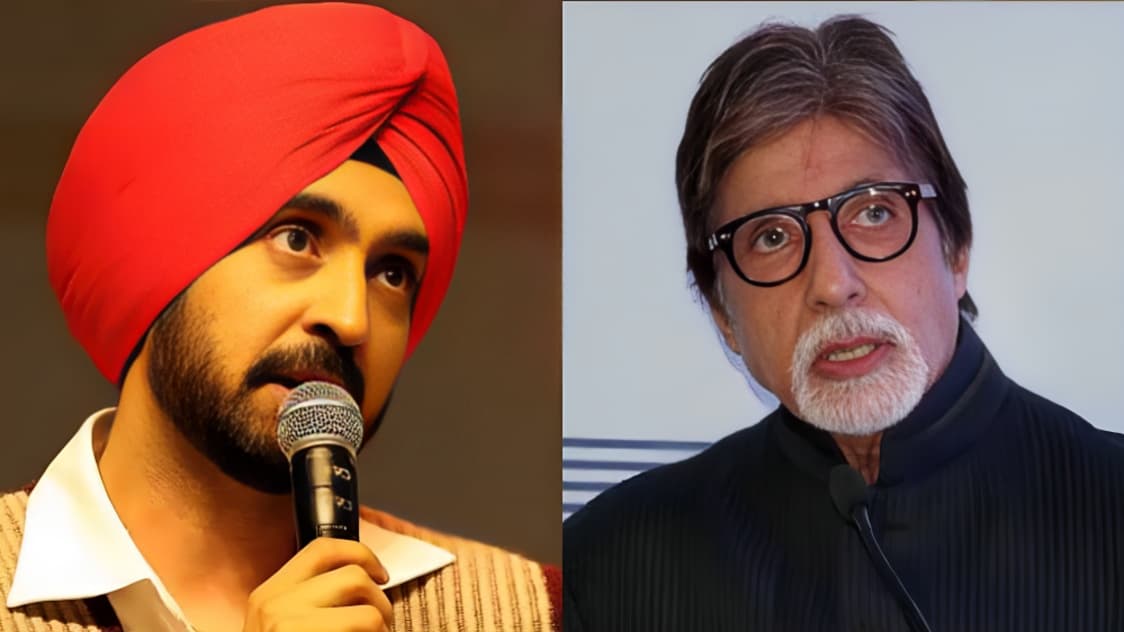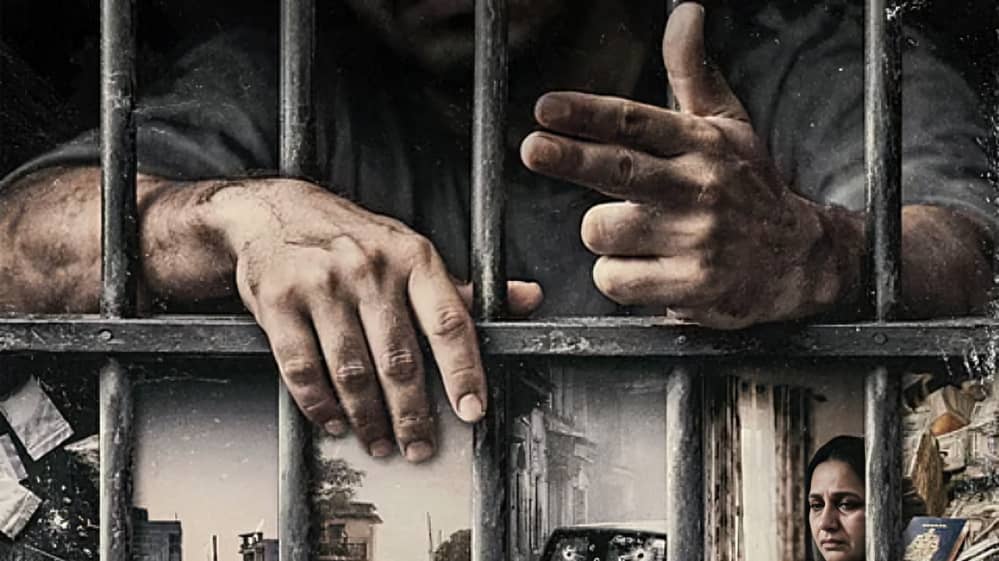

A controversy has arisen surrounding the upcoming Hindi docuseries Lawrence of Punjab, with objections being raised regarding its production and release. The concerns have been voiced by Ramesh Bishnoi, a relative of Lawrence Bishnoi, who has questioned the intent behind the series and called for restrictions on its release.
According to statements made by Ramesh Bishnoi, the makers of the docuseries did not obtain permission from the family before proceeding with the project. He also pointed out that legal proceedings related to Lawrence Bishnoi are still ongoing, and any portrayal at this stage could raise legal and ethical concerns. The demand for a ban has added to the debate over how real life subjects are depicted in media content.
The docuseries is expected to explore aspects of Lawrence Bishnoi’s life and the circumstances surrounding his legal cases. However, critics argue that presenting such narratives while cases are under trial could influence public perception. They emphasize that content creators must exercise caution to avoid misrepresentation or prejudice.
On the other hand, discussions within the entertainment industry highlight the increasing interest in real life inspired stories, particularly on digital platforms. Streaming services have seen a rise in documentaries and docuseries that examine complex subjects, including crime and legal cases. These projects often aim to provide insight into events while engaging viewers through detailed storytelling.
Legal experts note that producing content based on ongoing cases can involve several challenges. Issues such as defamation, privacy, and potential interference with judicial processes are often considered when evaluating such projects. As a result, creators are typically expected to ensure that their content adheres to applicable laws and guidelines.
The platform associated with the docuseries has not issued a detailed public response to the objections at this stage. It remains unclear whether any changes will be made to the project or its release schedule. Observers suggest that further developments may depend on legal considerations and responses from the parties involved.
The controversy reflects a broader conversation about the balance between creative freedom and legal responsibility. While filmmakers and content creators seek to explore real world stories, they must also navigate regulatory frameworks and sensitivities associated with such subjects.
Incidents like this also highlight the role of digital platforms in shaping public discourse. As streaming services continue to expand their reach, the scrutiny on content related to real life individuals and events is likely to increase.
For now, the situation remains under discussion, with calls for clarity on permissions and legal compliance. The outcome of this issue may influence how similar projects are handled in the future, particularly those involving ongoing legal matters.