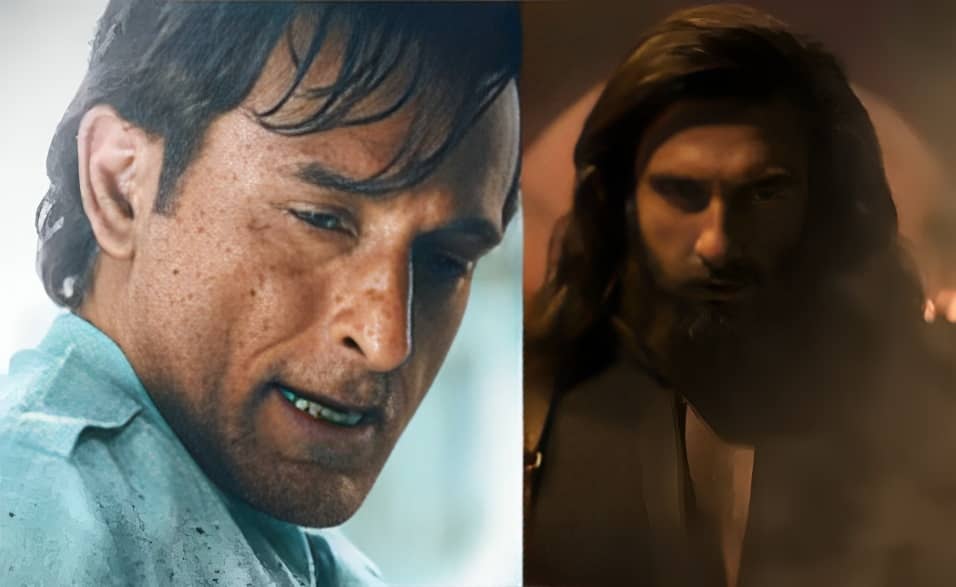
The film Dhurandhar has begun to attract attention even before its release, largely due to speculation surrounding its narrative depth and character portrayals. With Akshaye Khanna reportedly at the helm of a politically driven storyline inspired by William Shakespeare’s Julius Caesar, audiences and critics are closely examining the role played by Ranveer Singh and its possible thematic significance.
Industry observers suggest that Ranveer Singh’s character may represent a Machiavellian figure, marked by intelligence, ambition, and moral ambiguity. Such speculation stems from early insights indicating that the film explores themes of power, loyalty, betrayal, and political strategy. These elements strongly echo the core ideas of Julius Caesar, one of Shakespeare’s most studied tragedies.
The phrase “Et tu, Brute,” symbolizing betrayal by a trusted ally, has become central to discussions around Dhurandhar. Analysts believe the film may adapt this classical conflict into a contemporary framework, blending historical inspiration with modern political undertones. Ranveer Singh’s reported role is being viewed as a character who operates behind the scenes, carefully navigating alliances and rivalries to achieve larger ambitions.
Akshaye Khanna’s involvement has further raised expectations, as he is known for his nuanced understanding of layered characters and restrained storytelling. His interpretation of a Shakespearean tragedy is expected to avoid direct adaptation, instead reimagining the essence of Julius Caesar for Indian audiences. The focus is likely to remain on psychological conflict and the cost of power rather than spectacle alone.
Ranveer Singh’s previous performances have demonstrated his ability to portray intense and unconventional characters. If the speculation proves accurate, Dhurandhar could mark another significant shift in his career, showcasing a darker and more calculated persona. Film critics note that portraying a Machiavellian hero requires balance, as the character must evoke both admiration and moral discomfort.
The film’s narrative is also expected to explore the fragile nature of trust in political relationships. Much like Shakespeare’s original work, Dhurandhar may question whether betrayal is driven by personal ambition, ideological conflict, or perceived necessity. These themes remain relevant across eras, contributing to the film’s growing intrigue.
While the makers have not officially confirmed plot details or character inspirations, the ongoing debate reflects strong public interest. Cinema experts believe that if executed well, Dhurandhar could stand out as a rare political drama that blends classical literature with contemporary storytelling.
As audiences await further announcements, Dhurandhar continues to generate curiosity for its intellectual ambition and reinterpretation of timeless themes. Whether Ranveer Singh’s character ultimately aligns with the Machiavellian archetype remains to be seen, but the discussion itself highlights the film’s potential to spark meaningful cinematic conversation.