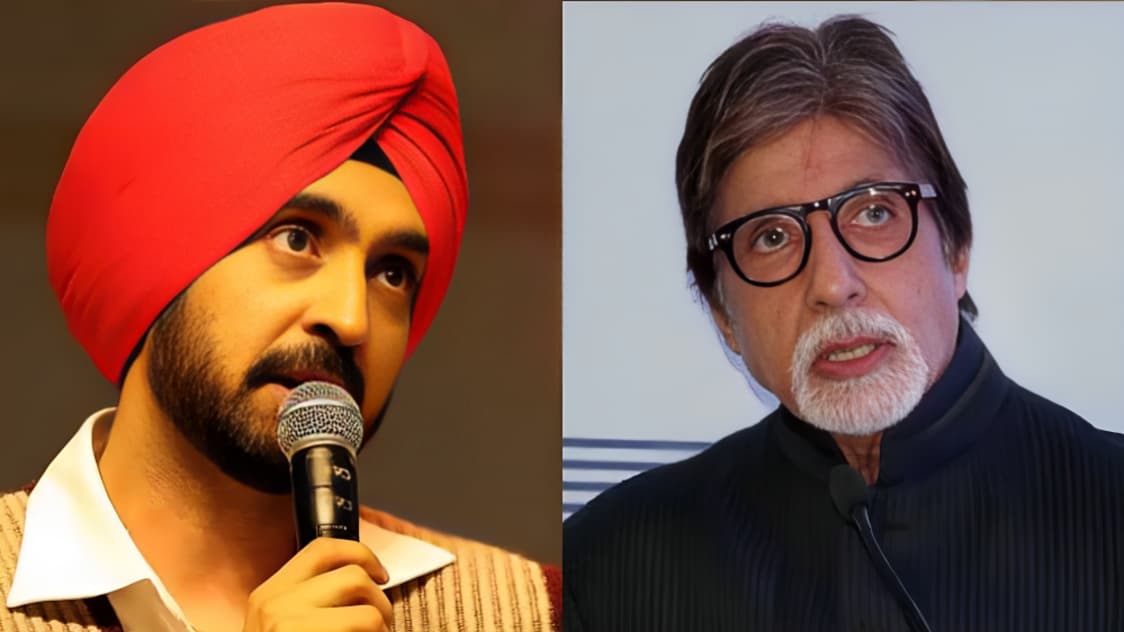
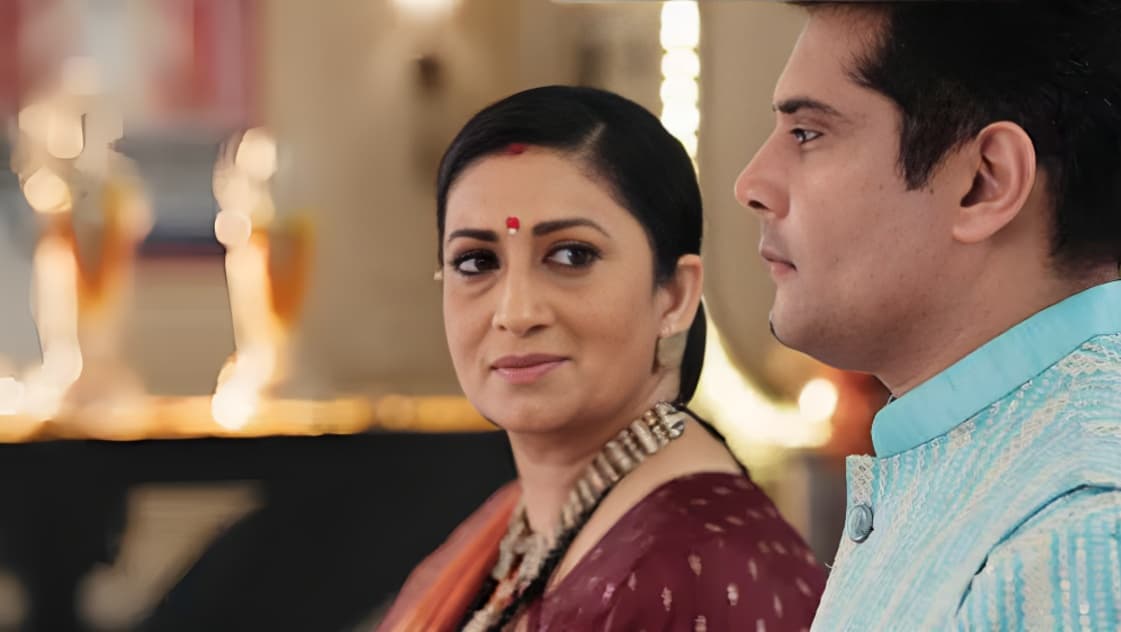
The 2015 film Piku, directed by Shoojit Sircar and starring Deepika Padukone, Amitabh Bachchan, and Irrfan Khan, remains one of Indian cinema’s most heartfelt portrayals of familial love and generational relationships. Beyond its critical and commercial success, Piku has had a deeply personal effect on many viewers, particularly young adults navigating family responsibilities. One such case is that of a teenage girl whose emotional outlook was profoundly shaped by watching the film.
The story revolves around Piku, an independent working woman juggling her demanding job and caring for her ageing father. Her everyday struggles, emotional resilience, and unwavering love for her father resonate with many, particularly daughters who see reflections of their own lives in the character.
For one young viewer, Piku was not just a film — it was a turning point. Coming from a household where caregiving responsibilities often fell on women, she initially felt overwhelmed by the emotional and practical demands of growing up in a multi-generational family. Watching Piku, however, offered her a fresh perspective.
She recalled that the film helped her appreciate the quiet sacrifices that go unnoticed within a family. Seeing Piku balance her career, manage her father’s eccentricities, and yet hold onto her individuality gave her a sense of validation and inspiration. It shifted her mindset from resistance to acceptance — not in resignation, but in empathy.
What stood out most to her was the subtle emotional communication in the film. There were no dramatic speeches or forced reconciliations, but rather small gestures, everyday arguments, and shared silences that conveyed the complexity of love within a family. This realism helped the young viewer better understand her own parents, especially the unspoken love and expectations that often define Indian family life.
The film’s journey — literally and figuratively — also resonated with her. The road trip from Delhi to Kolkata symbolized a transition not only for the characters but also for the viewer herself. It became a metaphor for growth, letting go of resentment, and embracing responsibilities as part of becoming emotionally mature.
The role played by Irrfan Khan’s character also added to her understanding of healthy boundaries and supportive relationships. His calm, respectful, and often humorous presence in the film became a reminder that not all support systems need to be loud or dramatic — some simply exist through understanding and shared silences.
In a world where cinema often exaggerates or glamorizes relationships, Piku stands out as a quiet, powerful reminder of the beauty in everyday life. For the young daughter, it was more than just entertainment — it was a mirror that reflected her reality, and a guide that helped her grow up emotionally and mentally.
Films like Piku demonstrate how storytelling can offer more than just escape — it can educate, inspire, and transform.