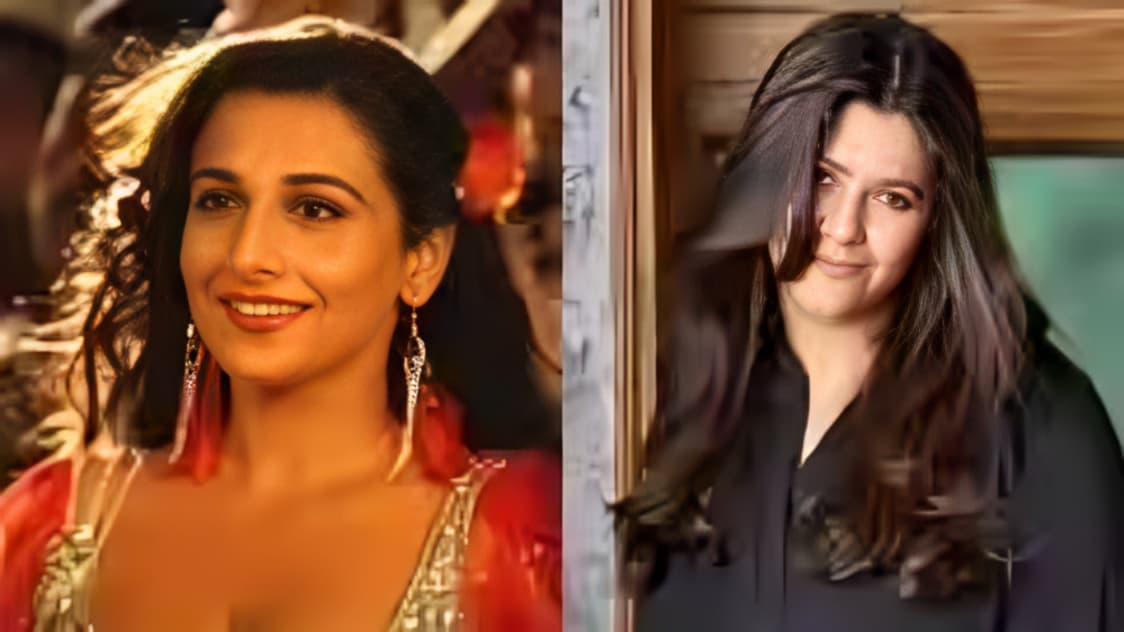

Ishita Dutta Says Drishyam 3 Makers Never Asked Her to Lose Weight After Pregnancy
Actress Ishita Dutta has spoken about the support she received from the team of Drishyam: The Conclusion after returning to work following the birth of her daughter, Veda, in 2025. In an exclusive interview with Zoom, the actress revealed that the film’s makers never asked her to lose weight after pregnancy, an experience she described as an important form of support.
Her comments have brought attention to the expectations often placed on actresses to return to a particular appearance soon after childbirth. For many women working in the entertainment industry, balancing professional commitments with recovery and childcare can be challenging. Ishita’s experience offers a perspective on how a production team can make the return to work more supportive by avoiding unnecessary pressure over appearance.
Ishita is known for playing Anju Salgaonkar in the Drishyam franchise. She returns to the role in Drishyam: The Conclusion, alongside Ajay Devgn and Shriya Saran. The film continues the story of the Salgaonkar family, whose relationships remain central to the crime-thriller series.
Ishita Dutta appreciates the support from Drishyam 3 makers
In her interview with Zoom, Ishita said the makers never asked her to lose weight after she gave birth. The actress welcomed her daughter, Veda, in 2025, and subsequently returned to work while managing her responsibilities as a mother.
The absence of pressure to change her body is significant in an industry where actors’ appearances are frequently discussed in public. Actresses can face expectations to regain their pre-pregnancy figures quickly, sometimes before they have had enough time to recover physically and emotionally.
Ishita’s comments highlight the value of judging performers by their work rather than imposing a particular body standard. A supportive working environment can help actors concentrate on their roles without feeling that they must meet an arbitrary weight target.
Her experience also points to the role production teams can play in making the workplace more considerate of changing family responsibilities. Practical support, realistic expectations and respectful communication can make it easier for performers to return to demanding schedules after childbirth.
Ishita’s difficult postpartum health experience
Ishita has also spoken publicly about the health challenges she experienced around her second pregnancy and after delivery. In previous interviews, she explained that she developed gallbladder stones during pregnancy and experienced severe abdominal pain. Because she was pregnant, doctors had to consider the risks before proceeding with surgery.
After delivering her daughter, she underwent surgery to remove her gallbladder. She later explained that she lost a significant amount of weight in a short period because of her illness, treatment and recovery.
The actress has clarified that her weight loss was not the result of a planned diet or exercise programme. She described being physically weak during that period and stressed that the change in her appearance should not be viewed as an ideal or an achievement to imitate.
Her account is an important distinction in conversations about postpartum weight. A visible change in body size does not necessarily indicate good health, and rapid weight loss caused by illness is not the same as a planned fitness goal. Ishita’s experience underlines the need to avoid making assumptions about someone’s health based only on appearance.
The pressure on women to lose weight after childbirth
Expectations surrounding postpartum weight can affect women in many professions, but public figures often face additional scrutiny because their appearance is discussed widely on social media and in entertainment coverage.
New mothers may already be dealing with physical recovery, sleep disruption, feeding responsibilities and changes to their daily routines. Adding pressure to lose weight within a fixed period can create unrealistic expectations and distract from more important concerns, including recovery and wellbeing.
Ishita’s remarks about the film team’s approach offer a reminder that employers and colleagues can support new parents by allowing them to work without unnecessary comments about their bodies. Her experience does not mean every production environment is the same, but it highlights how a respectful attitude can make a difference.
Her health disclosures also show why celebrities’ personal experiences should be reported carefully. A particular weight change should not be presented as a universal model for other women, and medical experiences should not be reduced to a before-and-after appearance story.
Returning to work and balancing motherhood
Returning to a film set after childbirth can require careful coordination between professional schedules and family responsibilities. Film productions may involve long working hours, travel and extended periods away from home, making flexibility especially valuable for parents of young children.
Ishita has spoken about resuming professional commitments after welcoming Veda. Her return to the Drishyam franchise has also allowed her to continue portraying Anju Salgaonkar, a character she has played across the series.
For actors, returning to a familiar role can bring both professional continuity and new personal perspectives. At the same time, the experience of becoming a parent can change how performers approach work and manage their time away from their families.
The actress’s comments suggest that the absence of pressure to lose weight was one aspect of the support she received. Her experience has encouraged discussion about how the film industry can create a more considerate environment for women returning after maternity breaks.
Drishyam: The Conclusion and Ishita’s role
Drishyam: The Conclusion brings back key members of the Hindi franchise, including Ajay Devgn as Vijay Salgaonkar, Shriya Saran as Nandini and Ishita Dutta as Anju. The story continues to focus on the family and the consequences of the events that have shaped their lives.
While the film has generated interest through its plot and returning cast, Ishita’s comments provide a separate look at the experience of working behind the scenes. Her account shifts attention from appearance-based expectations to the importance of professional support and personal wellbeing.
Ultimately, Ishita Dutta’s message is that an actress should not be expected to lose weight simply because she has returned to work after pregnancy. Her experience with the Drishyam: The Conclusion team highlights the value of a supportive workplace, while her earlier health disclosures remind readers that postpartum recovery differs from person to person.
Her comments also reinforce the need to treat new mothers with understanding rather than judging them by how quickly their bodies change after childbirth.