Tanushree Dutta Faces Backlash After Strong Remarks Following Nana Patekar’s Death
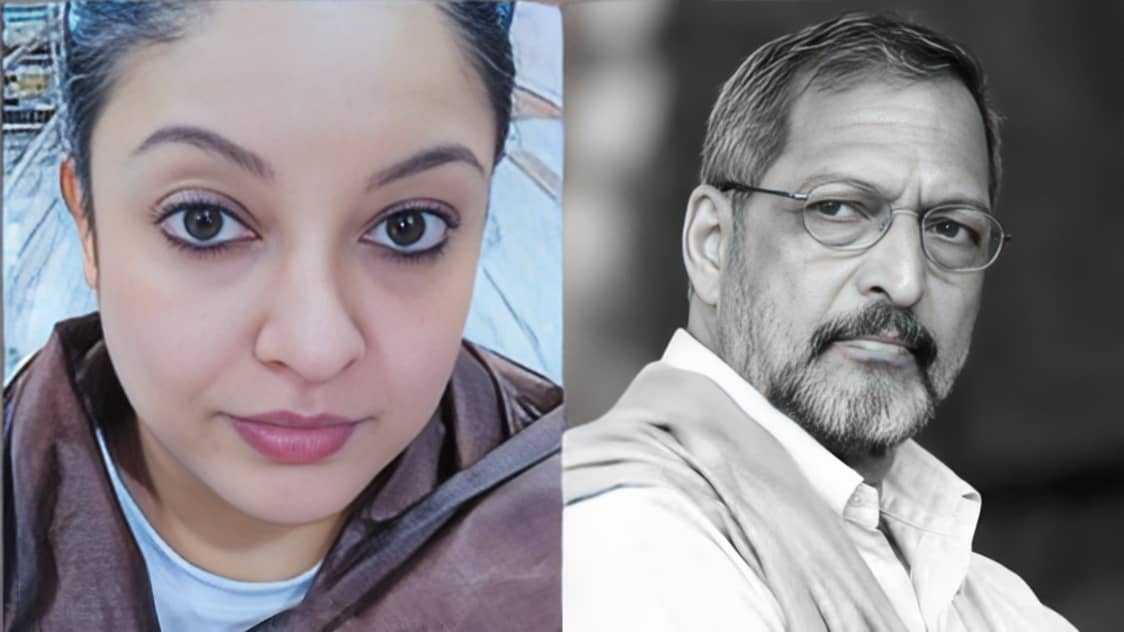
Actress Tanushree Dutta has sparked a fresh debate on social media after making strong remarks following the death of veteran Bollywood actor Nana Patekar. Dutta, who had previously accused Patekar of sexual harassment during a film shoot, shared posts expressing her feelings about the news and describing it as a positive development in her life. Her comments attracted criticism from some social media users and reignited discussion about the allegations she made during India’s #MeToo movement.
Tanushree Dutta’s reaction on social media
According to media reports published in October 2026, Dutta reacted to news of Patekar’s death through Instagram Stories and other social media posts. In one message, she reportedly wrote that her social media activity had increased following the news and expressed hope that her life would move towards better things.
In a subsequent post, Dutta shared a video of herself offering prayers at the Mahakaleshwar temple. She referred to her faith in Mahakal Baba and described the reported development as positive for her personally. She also expressed hope that the difficulties and negative experiences she associates with certain people would come to an end.
Her remarks were strongly worded and drew mixed responses online. While some users discussed the importance of acknowledging the experiences of people who make allegations of harassment, others criticised the timing and tone of her comments following a death.
The reaction has brought renewed attention to the long-running dispute between Dutta and Patekar. However, her social media statements represent her personal views and should not be treated as independent proof of the allegations she previously made.
Background to the allegations
Dutta first brought her allegations against Patekar into wider public discussion in 2018, during India’s #MeToo movement. She alleged that she had experienced sexual harassment while filming a special dance sequence for the 2009 film Horn ‘Ok’ Pleassss, which was shot in 2008.
According to Dutta’s account, she objected to certain dance steps and interactions that she considered inappropriate. Her allegations received extensive media coverage and became part of a wider national conversation about workplace harassment, consent and the treatment of women in the entertainment industry.
Patekar denied the allegations. The dispute also involved complaints and statements concerning other people associated with the film’s production. The allegations and the responses to them were widely discussed in the media, but public attention alone does not establish the truth of a claim.
Reports at the time stated that police closed the case in 2019, citing insufficient evidence. In 2025, a court also dismissed criminal proceedings in connection with the complaint on limitation grounds, according to subsequent media reports. These legal developments are important context when reporting the controversy and should be distinguished from either party’s public statements.
Debate over her latest remarks
Dutta’s comments following Patekar’s death have raised questions about how public figures express unresolved anger, distress or grievances on social media. Some critics described her remarks as insensitive because they were made after the actor’s death. Others focused on the broader issue of whether the passage of time or a person’s death should prevent discussion of alleged past harm.
The discussion reflects differing views about public accountability, the treatment of complainants and the language used in emotionally charged situations. However, online reactions do not necessarily represent public opinion as a whole, and criticism from social media users should be attributed rather than presented as a universal response.
The controversy also illustrates the challenges of reporting allegations involving well-known personalities. A responsible report should identify who made the allegation, include the other party’s response where available, explain the relevant legal developments and avoid presenting unverified claims as established facts.
Nana Patekar’s death and public response
Media reports published in October 2026 stated that Patekar died in Goa on October 8 at the age of 75 following a cardiac arrest. News of his death prompted tributes to his long career in Indian cinema, alongside renewed discussion of the controversy involving Dutta.
The different responses demonstrate how a public figure’s professional legacy and past controversies can become part of the conversation after their death. While some people have focused on Patekar’s contribution to cinema, others have revisited the allegations raised during the #MeToo movement.
Dutta’s latest remarks have therefore become part of a wider public debate involving celebrity culture, social media, allegations of harassment and the responsibilities of public commentary. The discussion is likely to continue as audiences respond to the statements and revisit the history of the dispute.
This report distinguishes Dutta’s publicly reported statements from the allegations and legal outcomes associated with the case. Her claims about her experiences remain attributed to her, while Patekar’s denial and the reported legal developments provide essential context. Readers should refer to the original reporting and official records where available for further details.