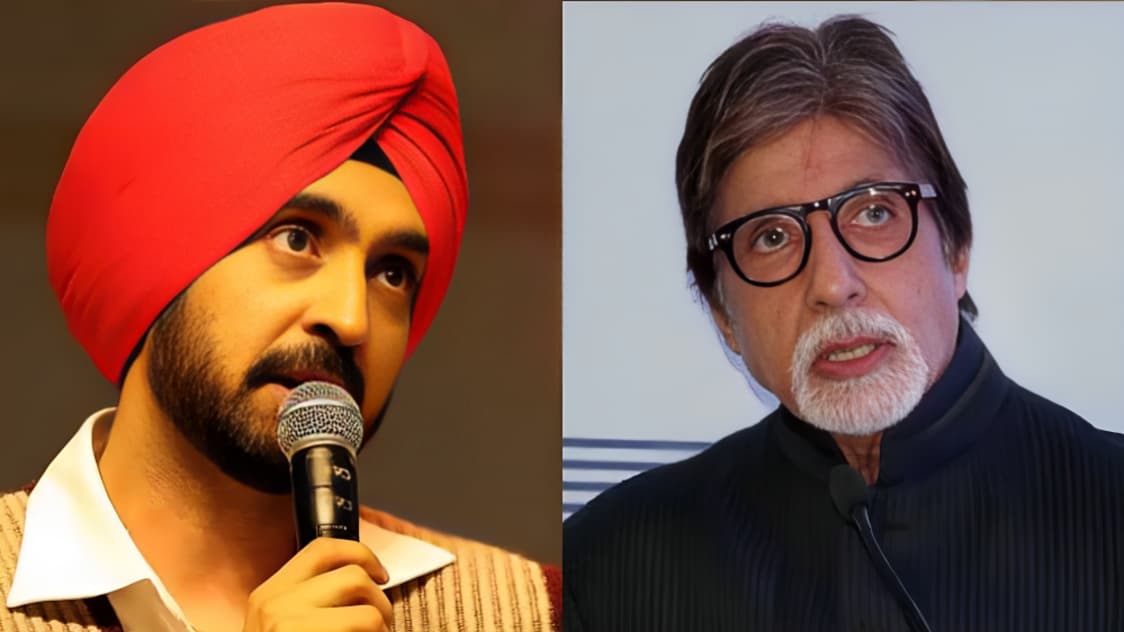
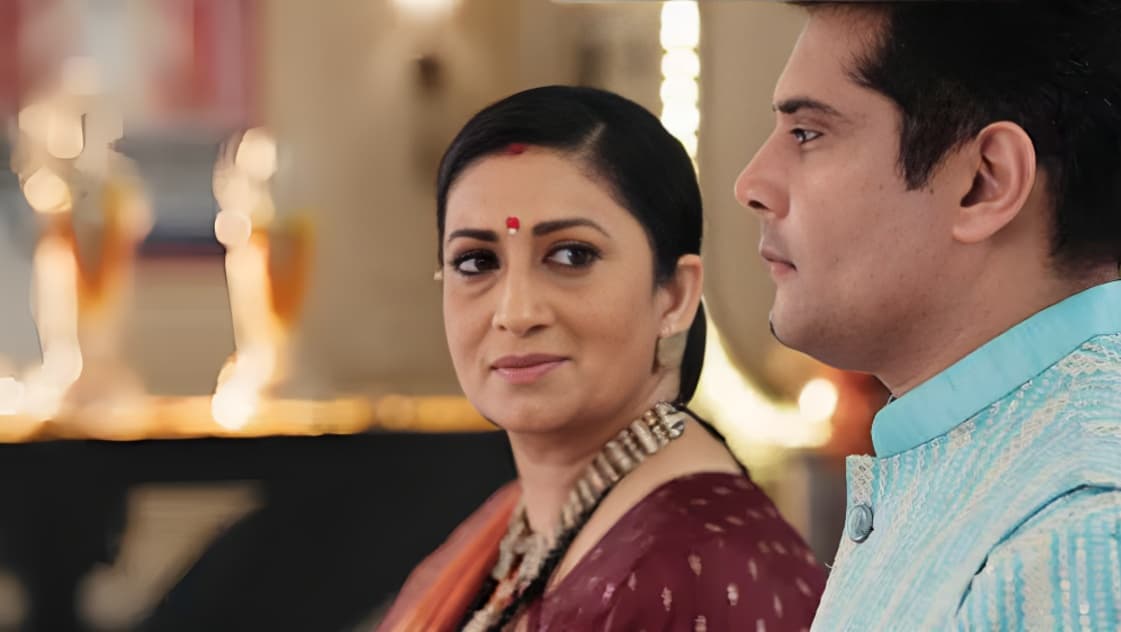
In a time when Bollywood is increasingly embracing larger-than-life narratives and heavy visual effects, the quiet charm of Piku (2015) stands out as a reminder of the power of simple, human stories. Directed by Shoojit Sircar and starring Deepika Padukone, Amitabh Bachchan, and Irrfan Khan, the film offers a nuanced portrayal of family relationships, personal responsibility, and emotional vulnerability — themes that remain universally relevant.
Set primarily in Delhi and Kolkata, Piku tells the story of a young, independent woman named Piku Banerjee, who is navigating life while caring for her ageing, eccentric father Bhashkor Banerjee. What unfolds is not just a father-daughter tale, but a broader reflection on the sacrifices, frustrations, and deep bonds that define familial love in Indian households.
Unlike many mainstream Bollywood films, Piku avoids melodrama and instead embraces a grounded, everyday aesthetic. Its strength lies in its dialogues, silences, and natural performances. Deepika Padukone delivers one of her most controlled and emotionally resonant performances as a woman torn between personal ambitions and familial duties. Amitabh Bachchan as Bhashkor is humorous, stubborn, and ultimately endearing, while Irrfan Khan, as the calm and practical Rana, adds balance to the narrative with his subtle presence.
Why Piku Still Resonates:
Relatable Themes: The story explores aging, caregiving, emotional dependence, and the complexities of parent-child dynamics, all of which strike a chord with urban and traditional audiences alike.
Strong Characters: Each character is well-developed and imperfect, which adds to the film’s authenticity. Piku is not idealized — she is real, occasionally frustrated, yet deeply compassionate.
Minimalist Storytelling: The film relies on everyday events rather than grand plot twists, making its emotional moments feel more genuine and lasting.
Memorable Performances: The chemistry between the lead actors and the natural flow of conversations make the characters feel like people we all know.
Direction and Screenplay: Shoojit Sircar and writer Juhi Chaturvedi bring a mature, empathetic voice to the film, resisting any urge to overdramatize sensitive topics.
Even years after its release, Piku continues to enjoy a dedicated audience on television and OTT platforms. Many viewers return to it not for escapism but for comfort and connection — qualities often missing in high-concept commercial films.
Film critics often cite Piku as an example of how content-driven cinema can succeed commercially and critically. Its legacy lies in proving that stories grounded in reality can have a lasting emotional impact.
As Bollywood continues to evolve, films like Piku remind both creators and audiences that intimacy, honesty, and strong character work never go out of style. In the current landscape dominated by spectacle and speed, Piku remains a gentle but powerful voice for the beauty of ordinary life.