
Ramayana: Lara Dutta Calls Kaikeyi One of History's Most Misunderstood Women
Actress Lara Dutta has shared her thoughts on portraying Mata Kaikeyi in Nitesh Tiwari's mythological film Ramayana. Following the film's worldwide theatrical release, the actress described Kaikeyi as one of history's most misunderstood women. She also encouraged audiences to look beyond their existing perceptions and consider the character from a broader perspective.
Kaikeyi is one of the important characters in the Ramayana. Her decisions play a significant role in the events that lead to Lord Rama's exile from Ayodhya. Over generations, the character has often been associated with the decision that changes the course of Rama's life. Lara Dutta's comments invite audiences to consider the character's story beyond this familiar understanding.
Lara Dutta Shares Her Perspective on Kaikeyi
Lara Dutta plays Mata Kaikeyi in Nitesh Tiwari's cinematic adaptation of the Ramayana. Discussing her character, the actress described Kaikeyi as one of the most misunderstood women in history.
Her statement highlights the importance of understanding a character through more than a single event or decision. Kaikeyi's actions have a major impact on the Ramayana narrative, but her character also has a background, relationships and motivations that can be explored through different interpretations.
By asking audiences to look beyond perceptions, Lara has encouraged viewers to approach Kaikeyi with a more open mind. Her comments also bring attention to the responsibility involved in portraying a character who has been discussed and interpreted for generations.
Why Is Kaikeyi Considered a Misunderstood Character?
Kaikeyi occupies an important position in the Ramayana. She is one of King Dasharatha's queens and the mother of Bharata. Her role becomes central when she asks Dasharatha to fulfil two promises that he had previously made to her.
Through those requests, Kaikeyi seeks the coronation of Bharata and the exile of Rama for fourteen years. These demands lead to a major turning point in the story and ultimately result in Rama leaving Ayodhya.
Because of this decision, Kaikeyi is frequently remembered as the character responsible for Rama's exile. However, interpretations of her role can differ depending on the version of the Ramayana and the perspective through which the story is told.
Some interpretations focus mainly on the consequences of her demands, while others explore her relationships, motivations and the circumstances surrounding her decisions. This makes Kaikeyi a character whose portrayal can invite discussion and different viewpoints.
Kaikeyi's Importance in the Ramayana Story
Kaikeyi's role is important because her decision changes the direction of the central narrative. Rama's departure from Ayodhya leads to a series of events that form a major part of the epic.
Her relationship with Dasharatha, Rama and Bharata also contributes to the emotional depth of the story. Although her decision creates conflict within the royal family, the consequences extend beyond the palace and influence the larger journey of Rama.
The character therefore cannot be understood only through her request for Rama's exile. Her place in the royal family and her influence on the events of the epic are also important elements of the narrative.
A cinematic adaptation can explore these aspects through character development, dialogue and performances. The way Kaikeyi is presented on screen may encourage viewers to reconsider familiar interpretations of her actions.
Nitesh Tiwari's Ramayana Reaches Theatres Worldwide
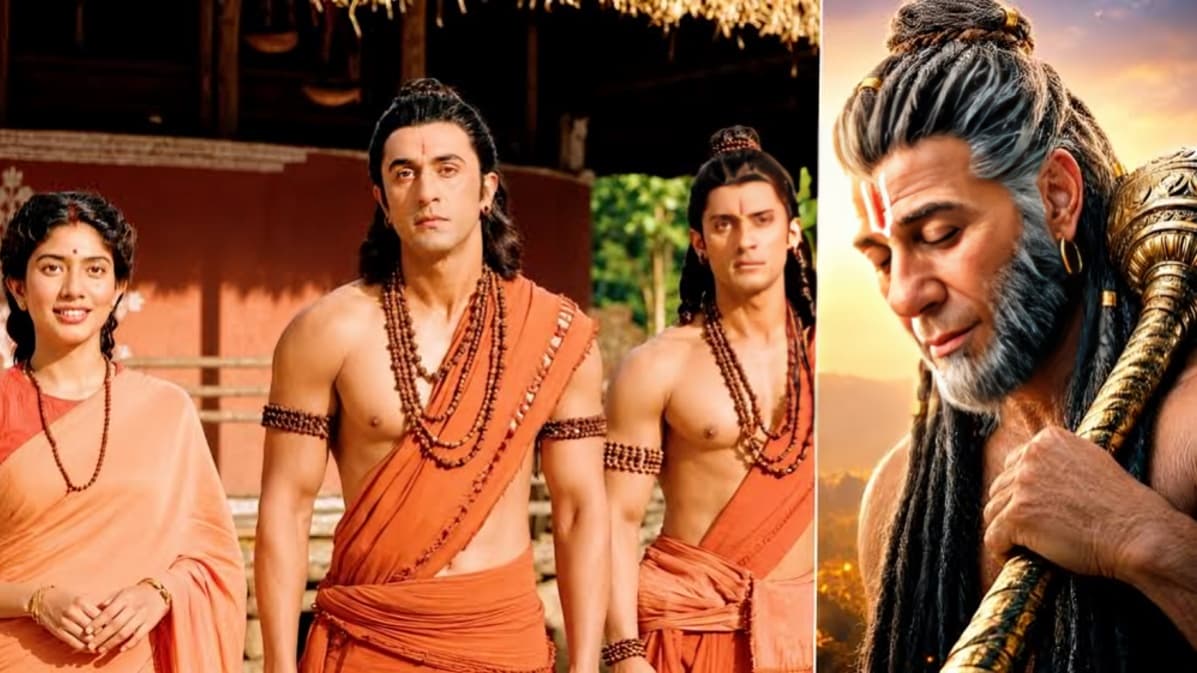
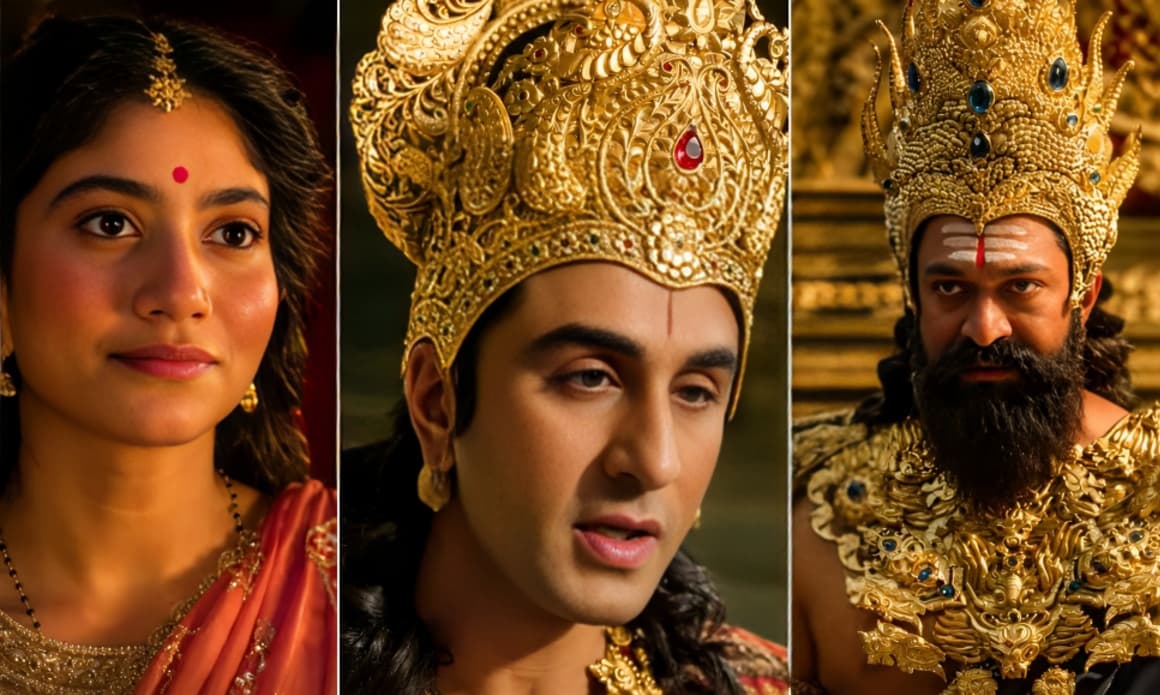
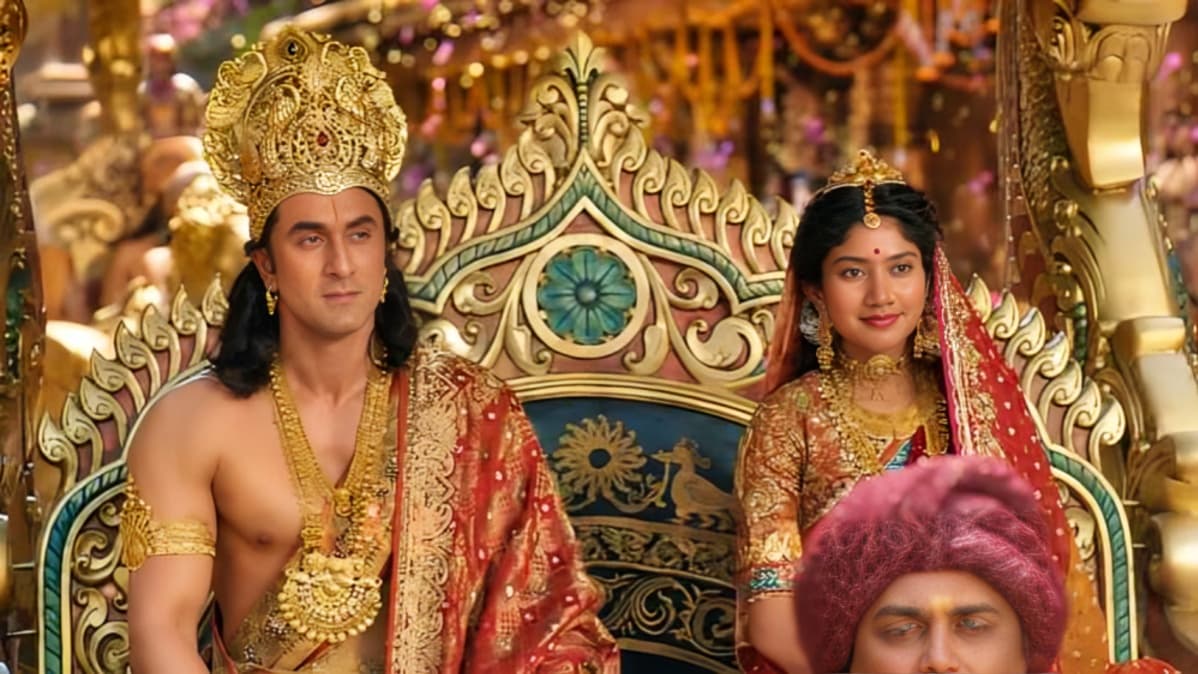
Nitesh Tiwari's Ramayana has arrived in theatres worldwide, bringing the well-known Indian epic to audiences through a large-scale film adaptation. The project has attracted attention because of its subject, characters and cast.
The Ramayana remains one of India's most widely recognised epics. Its characters and central events have been retold through literature, theatre, television and cinema in different languages and cultural traditions.
Presenting such a familiar story on the big screen involves the challenge of balancing traditional narratives with cinematic storytelling. Characters such as Rama, Sita, Kaikeyi, Dasharatha and Bharata have established identities among audiences, making their portrayal an important part of the film's presentation.
Lara Dutta's portrayal of Kaikeyi adds another dimension to the film's character discussions. Her comments suggest that audiences should consider the character beyond the conventional image often associated with her.
The Challenge of Portraying Familiar Mythological Characters
Actors who portray characters from well-known epics face considerable expectations. Audiences may already have their own understanding of a character based on religious traditions, regional storytelling and earlier adaptations.
For an actress playing Kaikeyi, the challenge includes presenting the character's emotional experiences and decisions while remaining connected to the larger narrative. The performance also needs to communicate the character's relationships and the circumstances that influence her actions.
Lara Dutta's comments reflect the interest in presenting Kaikeyi from a perspective that encourages viewers to think beyond established assumptions. Such interpretations can create conversations about how familiar characters are represented in modern cinema.
At the same time, different versions of the Ramayana may present certain characters and events in different ways. Audiences may therefore have varied responses to the film's interpretation.
Lara Dutta Encourages Audiences to Look Beyond Perceptions
By describing Kaikeyi as one of history's most misunderstood women, Lara Dutta has brought attention to a character whose actions have remained central to discussions about the Ramayana.
Her appeal to look beyond perceptions encourages viewers to consider the character's complete portrayal rather than judging her only by the consequences of one decision. It also highlights how mythological characters can be explored through different storytelling approaches.
With Ramayana now released in theatres worldwide, audiences can watch how the film presents Kaikeyi and the role she plays in the story. Lara Dutta's remarks have added another point of interest to the film, particularly for viewers curious about the character's portrayal.
Ultimately, Kaikeyi remains an important and complex figure in the Ramayana narrative. Lara Dutta's comments invite audiences to revisit familiar assumptions and consider the character through a wider perspective.