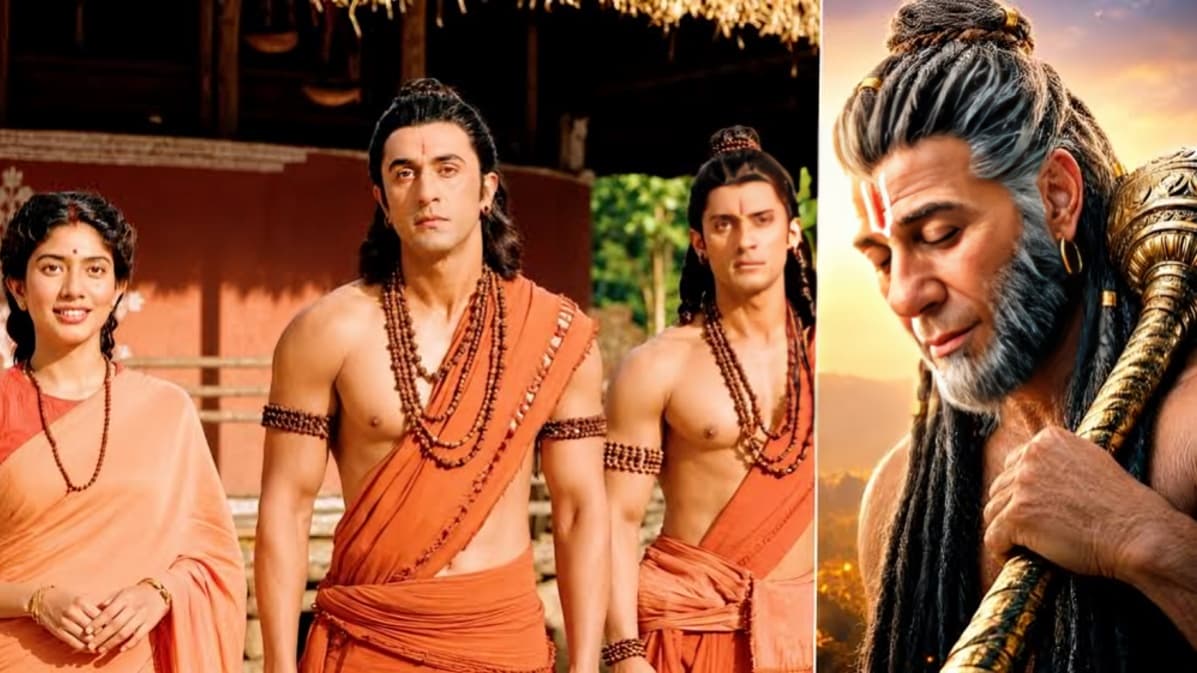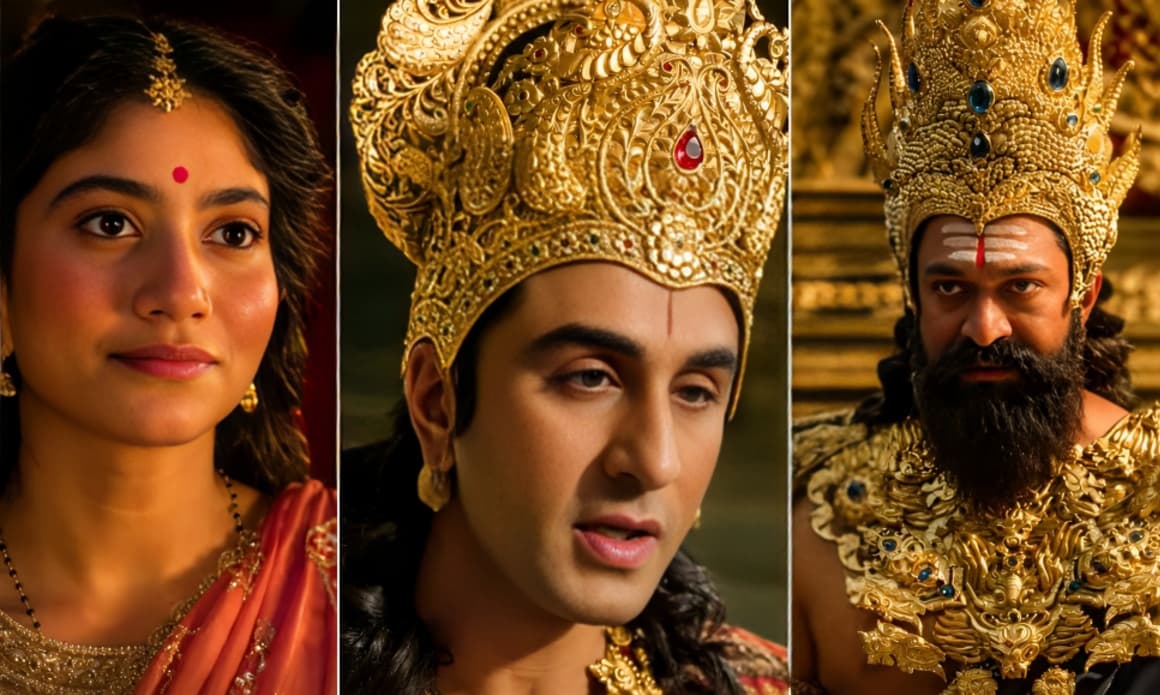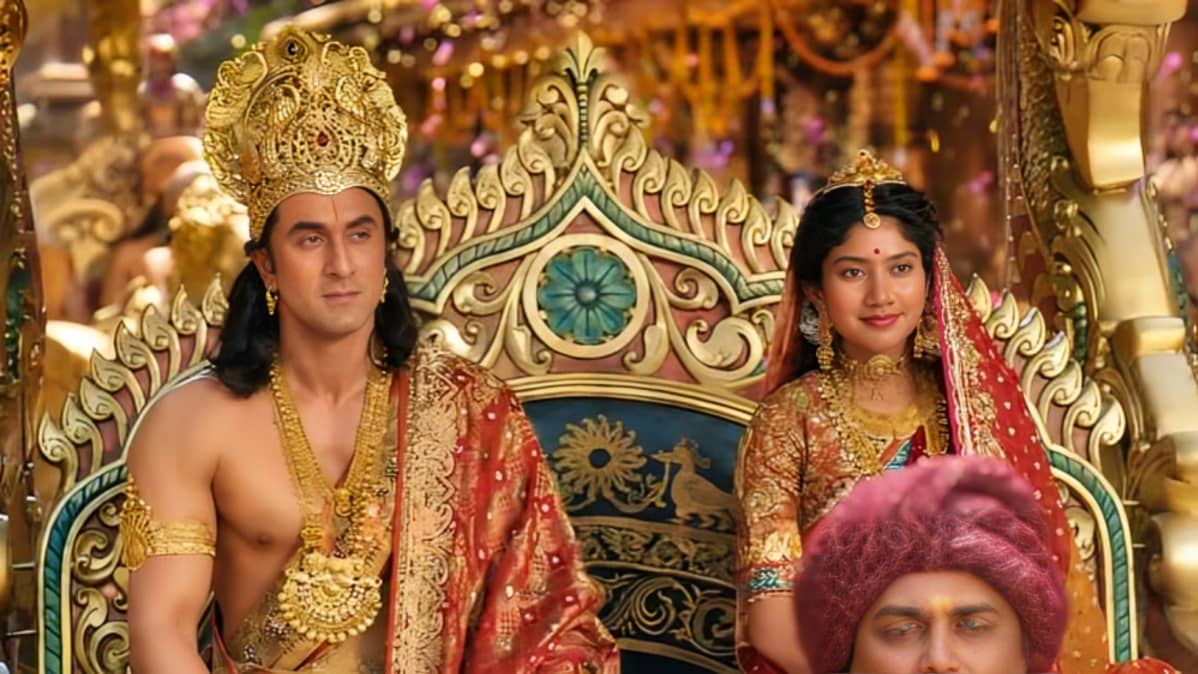
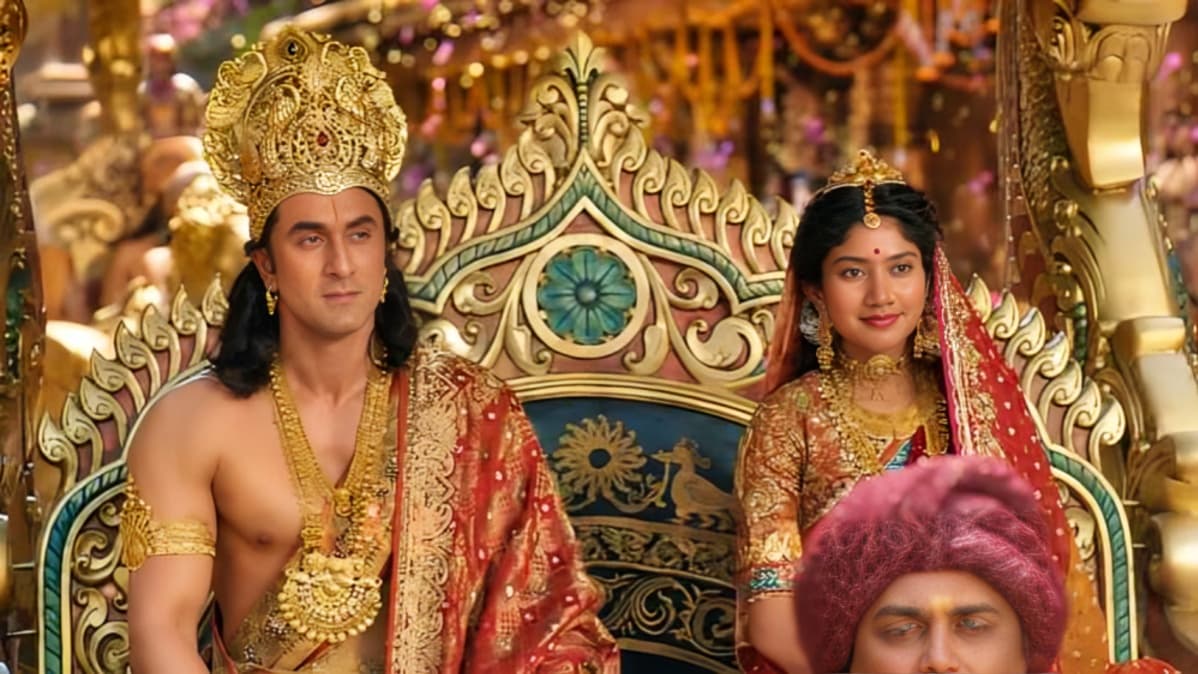
The much-anticipated mythological film Ramayana Part 1 presents a grand cinematic interpretation of one of India's most celebrated epics. Directed by Nitesh Tiwari, the film features Ranbir Kapoor, Sai Pallavi and Yash in leading roles. With impressive visual effects, an ambitious production scale and music from internationally recognised composers, the film attempts to bring a timeless Indian story to contemporary audiences.
The Ramayana has remained an important part of India's cultural and storytelling traditions for generations. Its characters, values and central themes have inspired literature, theatre, television and cinema across the country. Adapting such a familiar epic for a large-scale theatrical production is a major creative challenge. Nitesh Tiwari takes on this responsibility with a visually ambitious approach that aims to create a memorable big-screen experience.
A grand cinematic presentation
One of the strongest aspects of Ramayana Part 1 is its visual presentation. The film uses elaborate imagery and large-scale cinematic sequences to establish the world of the epic. Its visual ambition gives the story a sense of scale and makes several moments particularly engaging for audiences.
The production aims to create an immersive experience rather than simply present a familiar story through conventional filmmaking techniques. The visual elements play an important role in bringing the mythological setting to life. The overall presentation reflects the effort to make the Ramayana suitable for a modern theatrical audience while retaining its traditional identity.
The film's scale is also one of its defining characteristics. The visual effects and carefully presented sequences contribute to the sense of grandeur expected from a major mythological production. For viewers interested in epic storytelling and large-screen spectacle, the film offers several visually impressive moments.
Ranbir Kapoor, Sai Pallavi and Yash lead the film
Ranbir Kapoor, Sai Pallavi and Yash headline the film, bringing together three prominent performers from Indian cinema. Their presence is one of the major attractions of the project.
Ranbir Kapoor plays an important role in the film's central narrative. His performance forms a key part of the cinematic interpretation of the epic. The characterisation and emotional presentation are important elements in helping audiences connect with a story that has been familiar to generations.
Sai Pallavi is another major part of the film's leading cast. Known for her performances in Indian cinema, she contributes to the film's emotional dimension. Her presence adds to the appeal of the project, particularly among audiences looking forward to seeing the epic brought to life through a new cinematic interpretation.
Yash also plays a prominent role in the film. His involvement adds considerable attention to the production, especially among viewers familiar with his previous large-scale cinematic performances. Together, the three lead actors give the film a strong cast that brings different audiences to the theatrical experience.
Hans Zimmer and AR Rahman strengthen the music
The musical presentation is another important highlight of Ramayana Part 1. The background score by Hans Zimmer and AR Rahman adds emotional depth and supports the film's grand visual atmosphere.
Music plays a significant role in mythological cinema because it helps establish the mood of important scenes. A powerful background score can strengthen emotional moments, create tension and make large-scale sequences more engaging.
The collaboration between Hans Zimmer and AR Rahman brings together two well-known musical composers with distinct creative styles. Their contribution adds international attention to the film and supports its ambition to deliver a memorable theatrical experience.
The background music is particularly important in a film based on a widely recognised epic. Audiences already have strong associations with the characters and events of the Ramayana. The musical presentation therefore has the challenge of creating a fresh cinematic identity while respecting the emotional significance of the source material.
Jatayu sequence emerges as a major highlight
Among the film's notable moments, the Jatayu sequence stands out as one of its strongest highlights. The sequence contributes to the emotional and visual impact of the film and demonstrates the production's ambition.
Jatayu is an important character in the traditional Ramayana narrative. The character is associated with courage, sacrifice and the attempt to protect Sita. Bringing this episode to the screen requires a combination of visual storytelling and emotional presentation.
The film's Jatayu sequence is particularly memorable because it combines the mythological significance of the character with the scale of modern filmmaking. Its presentation is one of the moments that helps the film create a strong theatrical impression.
For viewers familiar with the epic, this sequence may carry additional emotional meaning. It also demonstrates how a well-known episode can be presented through modern visual techniques without losing its importance within the larger story.
Storytelling sometimes struggles to match the visuals
Despite its impressive visual presentation, Ramayana Part 1 has some limitations in its storytelling. The film's ambition and production scale occasionally appear to move ahead of the narrative.
A visually grand film also needs a strong and consistent storyline to maintain audience engagement. The characters, emotional developments and progression of events must work together to support the spectacle. In some portions, the storytelling does not maintain the same level of impact as the visuals.
This difference between visual presentation and narrative flow affects the overall experience. While several scenes create a strong impression, some parts may feel less engaging when compared with the film's larger cinematic ambitions.
However, this does not completely reduce the film's appeal. Its performances, music and visual effects provide enough memorable moments to make it an engaging theatrical experience. The balance between spectacle and storytelling remains one of the key aspects audiences may discuss after watching the film.
A new cinematic interpretation of a timeless epic
Adapting the Ramayana for modern cinema requires careful attention to the story's cultural importance. The epic has been retold in different languages and artistic forms, with each version offering its own interpretation of familiar characters and events.
Nitesh Tiwari's film attempts to present the story through a contemporary cinematic approach. Its visual ambition, leading cast and musical contribution reflect an effort to create a production that appeals to audiences across generations.
The film also demonstrates the growing ambition of Indian cinema to produce large-scale mythological projects with advanced visual presentation and international creative collaborations. Such productions can introduce traditional stories to younger audiences while offering familiar narratives in a new format.
Overall movie review
Ramayana Part 1 is an ambitious mythological film that delivers an impressive visual experience through its production scale, performances and musical presentation. Ranbir Kapoor, Sai Pallavi and Yash lead the cast, while the background score by Hans Zimmer and AR Rahman adds emotional strength to the film.
The Jatayu sequence is among the most memorable highlights, contributing to the film's overall impact. However, the storytelling occasionally struggles to match the grandeur of the visual presentation.
Overall, the film offers a visually rich theatrical experience and makes a confident attempt to bring the Indian epic to a modern cinematic audience. Its strongest elements are its visuals, music and selected emotional sequences, while the narrative flow remains an area where the film could have been more consistent.