
Tu Hai Meri Kiran Movie Review: A Promising Mystery That Struggles With Its Execution
Sonakshi Sinha and Zaheer Iqbal headline Tu Hai Meri Kiran, a Hindi romantic psychological thriller directed and written by Karan Rawal. Released in theatres on October 23, 2026, the film attempts to combine suspense, complicated relationships and an unusual connection between different moments in time. Its central idea creates room for mystery, but the execution has received mixed responses from critics.
The film also features Ankit Gupta, Sherlin Seth, Zarina Wahab and Purnendu Bhattacharya in supporting roles. At its core, the story examines how affection can turn into possessiveness and how an apparently romantic connection can become a source of fear.
A Mysterious Connection Between the Past and Present
Stories that connect different periods of time can be compelling because they encourage viewers to question what they know about the characters and their circumstances. Tu Hai Meri Kiran uses a mysterious telephone connection to bring its central characters into an unexpected relationship.
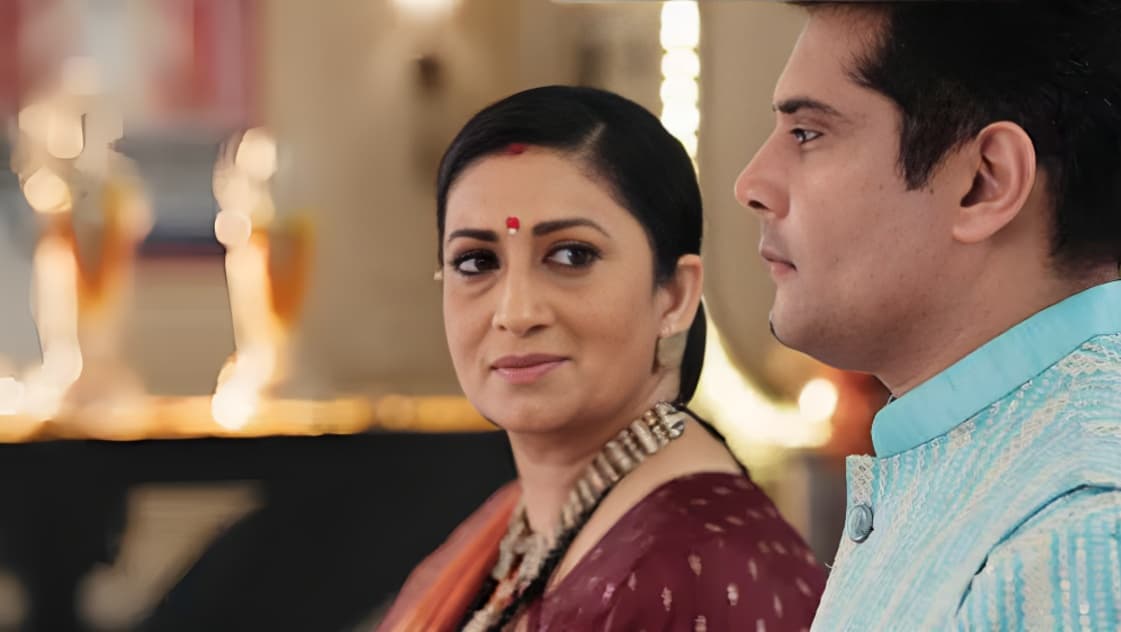
Kiran, played by Sonakshi Sinha, is a writer living in Mussoorie who is attempting to complete her second novel. Her life takes an unusual turn after she discovers an old flip phone that connects her with Samar, played by Zaheer Iqbal. The communication introduces an element of uncertainty, drawing Kiran into a situation that gradually becomes more complicated.
As the mystery develops, the narrative explores the relationship between events, personal choices and the consequences of obsession. The premise provides the film with opportunities to build suspense and gradually reveal information. However, a story involving unusual connections and psychological tension requires consistent writing to ensure that the developments remain engaging and understandable.
Sonakshi Sinha’s Performance
Sonakshi Sinha plays Kiran, a character whose circumstances place her at the centre of the film’s emotional and psychological conflict. Her role requires her to respond to uncertainty while dealing with the impact of another person’s increasingly troubling behaviour.
A character caught between curiosity, confusion and fear offers an actor opportunities to convey several emotional layers. Sinha’s performance is an important part of the film’s appeal, particularly as the story shifts between mystery and relationship-driven drama.
The effectiveness of Kiran’s journey, however, also depends on how convincingly the screenplay develops her decisions and reactions. Strong performances can help maintain audience interest, but they cannot independently resolve weaknesses in the narrative.
Zaheer Iqbal Portrays an Unsettling Character
Zaheer Iqbal plays Samar, whose feelings for Kiran develop into an unhealthy fixation. His character is central to the film’s exploration of the difference between love and control.
The portrayal requires more than conventional romantic charm. Samar’s actions influence the film’s tension and shape the circumstances in which Kiran finds herself. His character also raises questions about possessiveness, rejection and the danger of treating another person’s independence as something to be controlled.
The story’s psychological dimension depends on how effectively it examines Samar’s behaviour without confusing obsession with genuine affection. This distinction is important because the film’s central conflict involves the consequences of crossing personal boundaries.
Supporting Cast and Technical Execution
Ankit Gupta, Sherlin Seth, Zarina Wahab and Purnendu Bhattacharya contribute to the supporting cast. Their characters help establish the wider circumstances surrounding the lead pair and add context to the developing conflict.
Director Karan Rawal brings romance, mystery and psychological tension together in an attempt to create an unconventional thriller. The screenplay must balance these elements while making the relationships and plot developments easy to follow. When a film relies on suspense, the timing of revelations and the consistency of its internal logic are especially important.
The central idea offers potential for an absorbing cinematic experience. However, the critical response has highlighted concerns about how effectively the film converts that potential into a consistently satisfying narrative.
Where the Film Faces Challenges
The principal challenge for Tu Hai Meri Kiran is the balance between its intriguing premise and its storytelling. A mystery can initially hold viewers' attention through unanswered questions, but it must continue to provide meaningful developments as the story progresses.
When different timelines, unusual connections and psychological conflict overlap, the screenplay needs to establish clear relationships between events. If these elements are not handled carefully, the audience may find it difficult to remain emotionally invested in the characters or understand the significance of the revelations.
The film’s exploration of obsession also requires a careful approach. Presenting possessive behaviour as romantic devotion without adequately addressing its consequences can weaken the intended psychological impact. A more clearly developed treatment of the characters’ motivations and boundaries could strengthen the emotional weight of the story.
These concerns do not mean that the film lacks interesting ideas. Rather, they illustrate the difficulty of translating an ambitious concept into a thriller that remains coherent and compelling throughout its runtime.
Should You Watch Tu Hai Meri Kiran?
Tu Hai Meri Kiran may appeal to viewers who enjoy romantic thrillers, psychological dramas and mysteries built around unusual connections. The lead performances and the film’s exploration of obsession provide reasons for genre enthusiasts to consider it.
However, viewers who prioritise tightly structured screenplays and carefully explained plot developments may find the execution less satisfying. The film’s overall appeal will depend on how much importance an audience places on its premise, performances and treatment of relationships compared with the consistency of its storytelling.
Final Verdict
Tu Hai Meri Kiran brings together Sonakshi Sinha and Zaheer Iqbal in a thriller that explores the darker side of affection and the consequences of obsession. Directed by Karan Rawal, the film offers a mystery-driven premise with opportunities for suspense and emotional complexity.
Nevertheless, the story’s potential is not fully realised, according to critical assessments that point to weaknesses in its narrative execution. The result is a film that may interest viewers drawn to psychological thrillers but could leave others wanting a more cohesive and satisfying story.