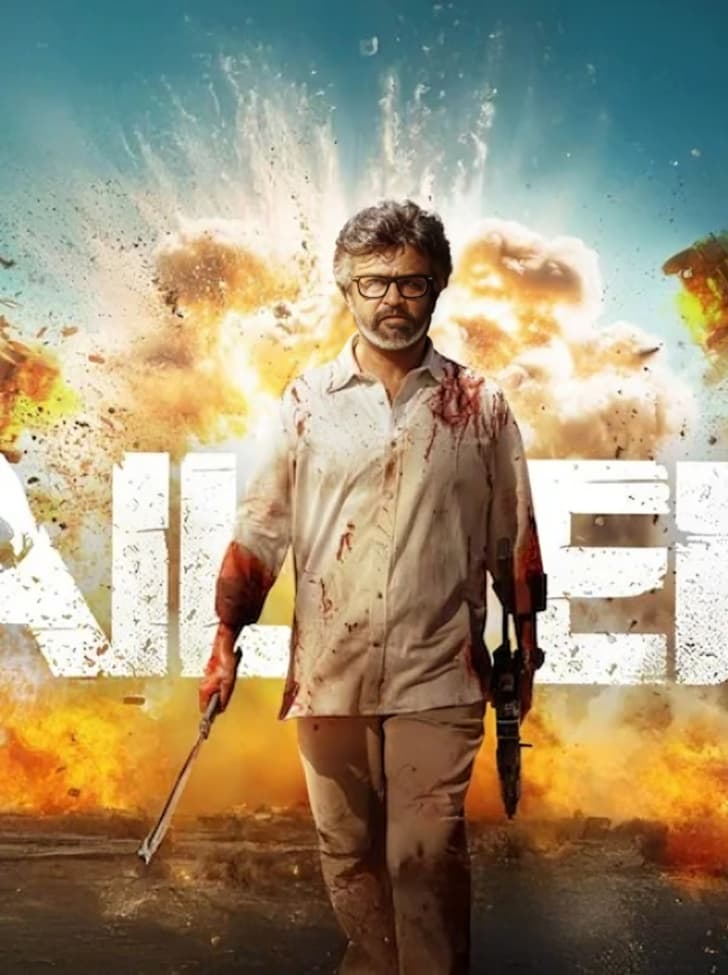
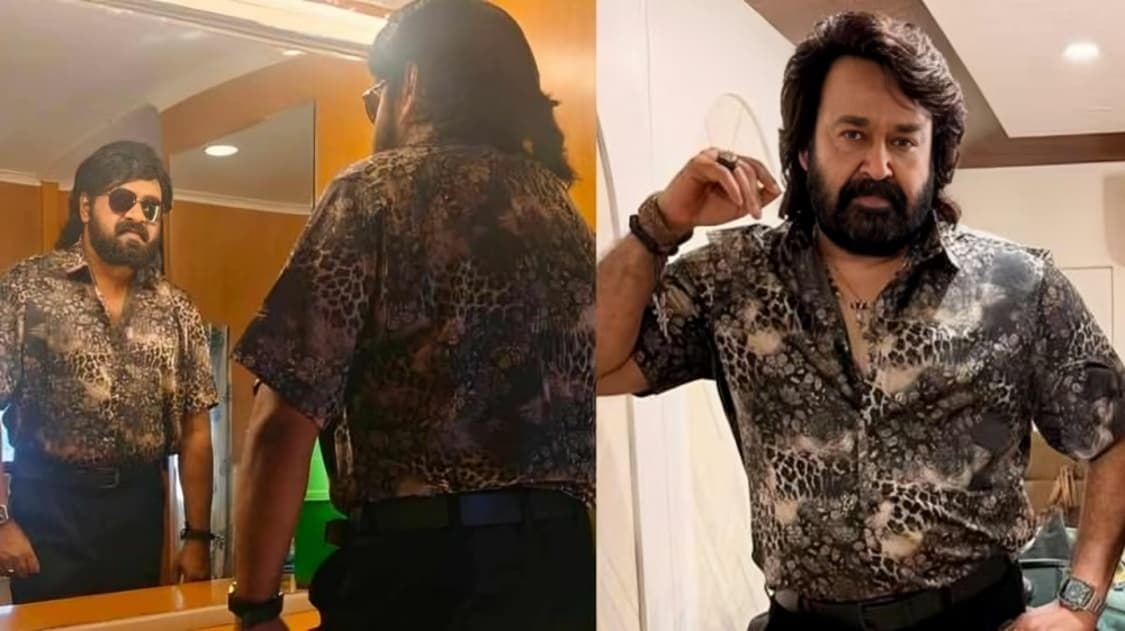
New Delhi — The Delhi High Court recently ruled against a production house seeking to use the title Bro Code for an upcoming project, siding with writer Ravi Mohan in a legal dispute over intellectual property rights. Mohan had claimed prior ownership of the title, asserting that its unauthorized use by the production house would constitute a violation of copyright and creative rights. The ruling underscores the judiciary’s commitment to protecting original content in the film and media industry.
Ravi Mohan approached the court after discovering that the production house intended to release a film under the Bro Code title, which he claimed he had registered and conceptualized earlier. Mohan argued that allowing the production house to use the title could lead to confusion among audiences, dilute his creative rights, and potentially impact his professional reputation.
The Delhi High Court, after reviewing the submissions, refused to lift the interim ban on the title’s use. In its judgment, the court emphasized the importance of intellectual property protection and recognized the legal significance of prior registration and creative ownership. This decision reflects the judiciary’s approach toward safeguarding originality and discouraging infringement in the entertainment sector.
Legal experts note that title disputes are common in the film industry, especially when multiple parties claim rights over similar or identical titles. The court’s ruling in favor of Ravi Mohan sets a precedent that reinforces creators’ rights, ensuring that production houses and studios respect established claims before marketing their projects. By upholding the ban, the court also signals to the industry that creative originality must be protected to maintain ethical and legal standards.
The production house involved in the dispute will now need to select an alternative title for their project. Industry observers suggest that such conflicts can impact production timelines and marketing strategies, highlighting the importance of early clearance and verification of titles before proceeding with promotional activities. The ruling serves as a reminder to filmmakers, writers, and content producers to secure proper rights and registrations to avoid legal complications.
The case also illustrates the role of the judiciary in balancing commercial interests with creative rights. While film projects often involve substantial financial investment and marketing efforts, courts must ensure that intellectual property laws are respected to protect smaller creators, writers, and innovators who may otherwise face exploitation.
Fans and industry insiders have closely followed the controversy, noting that the dispute draws attention to broader issues of copyright enforcement, creative recognition, and ethical practices in media production. The Delhi High Court’s judgment reinforces that legal recourse remains available for creators seeking to defend their intellectual property against unauthorized use.
In conclusion, the court’s refusal to lift the ban on the Bro Code title highlights the importance of respecting copyright and creative ownership in India’s film and media industry. Ravi Mohan’s case serves as a benchmark for future disputes, emphasizing that originality and legal rights must be prioritized while maintaining transparency and fairness in the creative process.