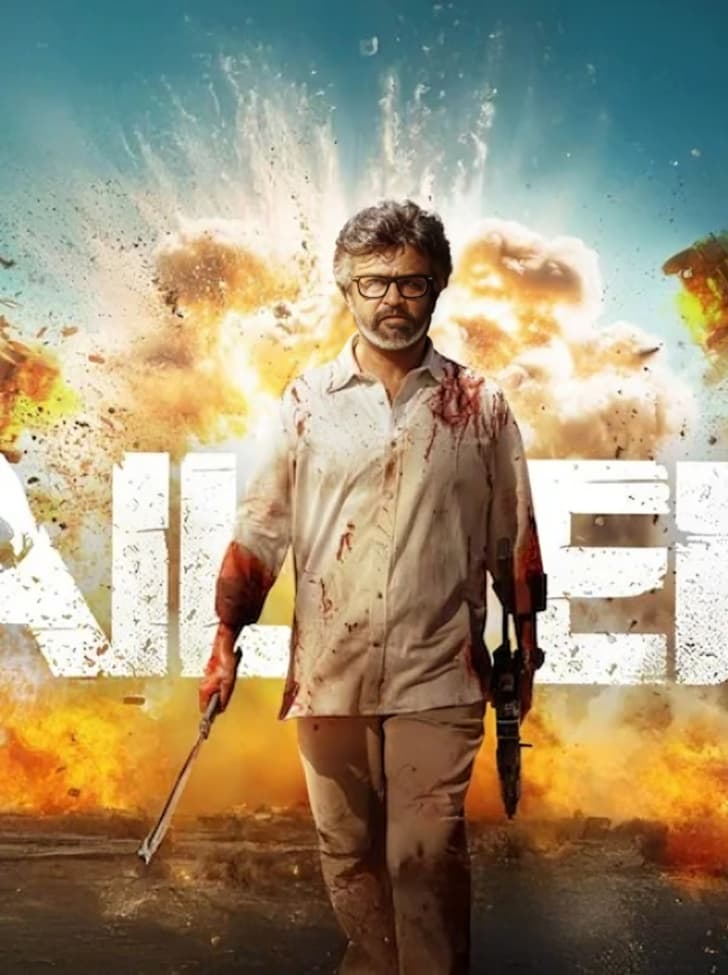
Idli Kadai marks another entry in Tamil cinema that revolves around the classic battle of good versus evil, with Dhanush leading the narrative in a role that emphasizes sincerity and moral integrity. The film presents a straightforward storyline in which Dhanush’s character confronts adversaries and challenges that test his principles and determination, reflecting familiar cinematic themes commonly seen in regional films.
Dhanush’s performance stands out as a key highlight of the movie. Critics and audiences alike have praised his dedication to portraying a character who embodies both resilience and vulnerability. His ability to convey emotions authentically elevates otherwise predictable sequences, giving depth to the narrative despite the conventional storyline. Supporting actors provide competent performances, complementing Dhanush and reinforcing the central moral themes of the film.
The screenplay of Idli Kadai follows a linear trajectory, focusing on the conflict between good and evil forces. While this approach does not introduce new narrative twists, it allows viewers to engage with character motivations, emotional arcs, and ethical dilemmas in a clear and accessible manner. The dialogues are crafted to reinforce the moral stakes, providing moments of tension, reflection, and resolution throughout the film.
Cinematography and music contribute to the overall viewing experience, enhancing key scenes and emphasizing the stakes of the conflict. Visual storytelling highlights both action sequences and emotional moments, creating a balance between entertainment and narrative clarity. The soundtrack aligns with the mood of the film, supporting the dramatic and moral undertones of the story.
While Idli Kadai may not offer major surprises for seasoned viewers, its strength lies in execution and performance. Dhanush’s sincerity ensures that audiences remain invested, and the film succeeds in delivering a coherent narrative with clear moral delineations. The familiar structure allows viewers to focus on character development, ethical choices, and the resolution of conflicts without distraction from overly complex plot devices.
The film also reflects cultural and regional sensibilities, drawing on familiar settings, local issues, and relatable character types that resonate with Tamil audiences. This grounding in regional context enhances the authenticity of the narrative and provides an additional layer of engagement for viewers familiar with the milieu.
In conclusion, Idli Kadai is a film that leans on tried-and-tested storytelling techniques, delivering a clear moral message through the performance of Dhanush and supporting cast. While the storyline remains predictable, the film’s execution, character development, and emotional resonance ensure it is a watchable experience. Fans of Dhanush and those who enjoy straightforward, morality-driven Tamil cinema will find the film engaging, even if it does not break new ground in terms of narrative innovation.