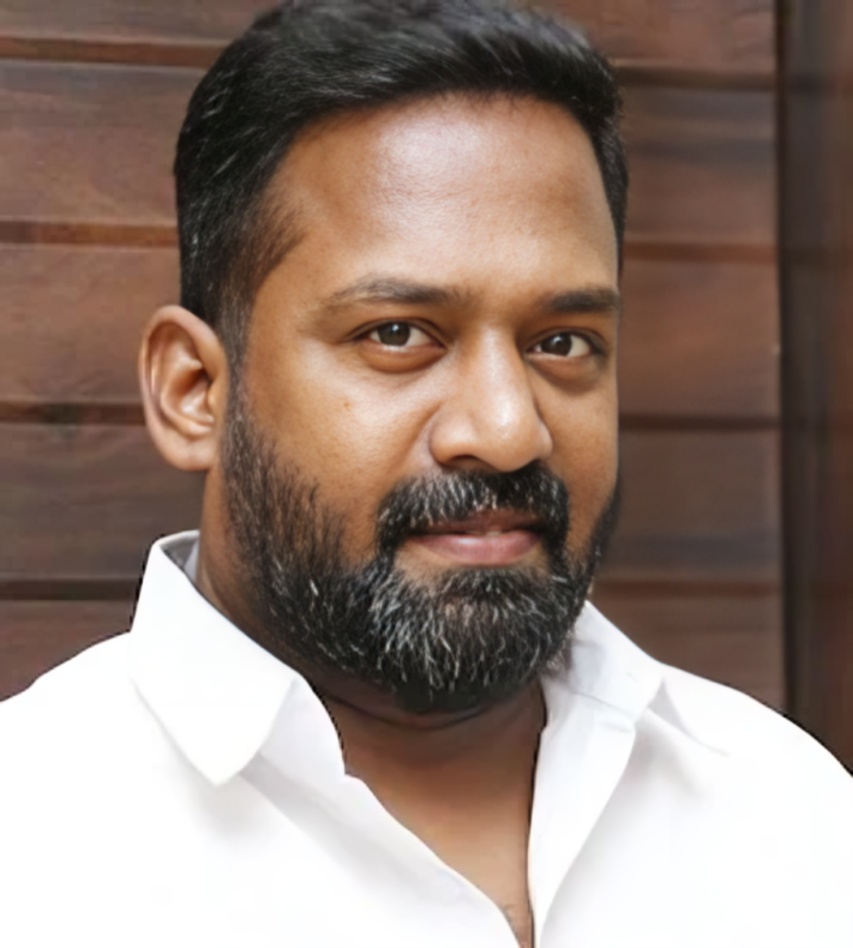
Tamil actor and comedian Robo Shankar is once again attracting attention online as fans continue to share his comedy scenes, memorable dialogues and performance clips on social media.
Nearly a year after his death, the actor's work continues to remain popular among Tamil audiences. Social media users have been reviving clips from his films and television appearances, with his distinctive comedy style becoming the subject of memes and short videos.
Robo Shankar died on September 18, 2025, at the age of 46. He had collapsed while on a film set in Chennai and was subsequently admitted to hospital. He later died following serious health complications. His death came as a shock to the Tamil film and television industries.
Even after his death, his performances continue to circulate online. The latest trend has once again introduced younger audiences to some of his most recognisable comedy sequences.
One of the reasons for his lasting popularity was his energetic performance style. Shankar was known for his expressive body language, quick comic timing and ability to imitate well-known personalities.
Before becoming a familiar face in Tamil cinema, Shankar gained attention through television comedy and mimicry performances. His appearances on shows such as Kalakka Povadhu Yaaru helped him establish himself among Tamil television audiences.
His journey into entertainment began with stage performances and mimicry. He developed a distinctive style that combined comedy, dancing and impersonation. His robot-style movements became particularly popular and eventually contributed to the nickname Robo Shankar. Reports about his career note that he earned the name because of his robot impression and performances.
The name eventually became closely associated with his professional identity. Instead of simply being known by his birth name Shankar, he became widely recognised as Robo Shankar across television, cinema and social media.
His film career also helped expand his popularity. One of his notable early credited film appearances was in the 2013 Tamil film Idharkuthane Aasaipattai Balakumara, directed by Gokul. The film starred Vijay Sethupathi and became known for its humorous characters and situations.
Shankar subsequently appeared in several Tamil films alongside leading actors. His filmography included movies such as Maari and Viswasam, through which he reached a wider audience.
His ability to create humour through expressions and timing made him a popular supporting performer. Rather than relying only on dialogue, he frequently used physical comedy and distinctive mannerisms to make his characters memorable.
Television remained another important part of his career. He appeared in comedy programmes, reality shows and other entertainment formats. He also worked as a television presenter and continued to maintain a strong connection with audiences outside cinema.
His popularity extended to the next generation of Tamil entertainment audiences as well. Short video platforms and social media have helped older comedy scenes reach viewers who may not have watched the original television programmes or films.
This has contributed to the continued circulation of Robo Shankar's performances after his death. Memes often use expressions, dialogues and reaction scenes from popular films and television programmes, giving older performances a new life online.
The renewed attention also reflects the changing way audiences consume entertainment. Comedy scenes that were originally watched on television or in theatres can now become viral clips through social media platforms.
Robo Shankar's distinctive expressions and comic timing have made several of his scenes suitable for this format. Fans frequently edit short portions of older performances and share them as memes or reaction videos.
His role in Idharkuthane Aasaipattai Balakumara remains one of the works frequently associated with his popularity. The 2013 film featured several unusual and humorous characters and became a recognised comedy film in Tamil cinema.
The film also featured Vijay Sethupathi, who was already establishing himself as a prominent actor during that period. Shankar's comic presence added another layer to the film's ensemble of characters.
Over the years, Robo Shankar continued to work across different areas of Tamil entertainment. He appeared in films, television programmes and comedy shows, while also developing a strong public identity through his energetic personality.
His family also has connections with the entertainment industry. His daughter Indraja Shankar entered acting and appeared in the 2019 film Bigil.
Robo Shankar's sudden death in 2025 resulted in tributes from several members of the Tamil film industry. Actors, political leaders and colleagues expressed their condolences following the news.
His death also prompted renewed interest in his career and the path he took from mimicry performances to mainstream Tamil cinema.
The current online trend shows that his comedy continues to have relevance among audiences. Although he is no longer present to perform new characters, his existing body of work remains available through films, television clips and social media.
For many fans, the appeal of his performances comes from their simplicity and energetic presentation. His comedy often relied on physical expressions, timing and interactions with other performers.
The nickname Robo itself became an important part of his public identity. What began as a style of performance eventually became the name by which audiences across Tamil Nadu recognised him.
The continued use of his comedy scenes in memes demonstrates how popular culture can preserve the work of entertainers long after their active careers have ended.
Social media has played a major role in this process. A comedy scene released more than a decade ago can suddenly become popular again when users connect it with a current trend, situation or meme format.
That appears to be happening again with Robo Shankar. His older performances are being rediscovered and shared, keeping his name visible among Tamil entertainment audiences.
His career is also an example of how television can provide a pathway into cinema. Shankar first became familiar to audiences through comedy and mimicry programmes before establishing himself as a film actor.
His distinctive personality helped him stand apart from other comedy performers. He was recognised for his high-energy performances, expressive reactions and ability to create humour through physical performance.
Although nearly a year has passed since his death, his work continues to generate engagement online. The latest wave of memes and video clips is another reminder of the lasting popularity of his comedy.
Robo Shankar's legacy therefore extends beyond the films in which he appeared. His television performances, mimicry acts and memorable comedy scenes have become part of the digital entertainment culture followed by Tamil audiences.
The renewed trend also highlights the emotional connection audiences can develop with performers whose work has entertained them for years.
For fans who remember his television days, the viral clips offer an opportunity to revisit his earlier performances. For younger viewers, the same clips provide an introduction to a comedian whose career spanned television and Tamil cinema.
Robo Shankar's name continues to appear in conversations about Tamil comedy because of this combination of television popularity, film appearances and social media relevance.
The actor's death brought an end to his career, but his performances remain accessible to audiences. As social media continues to revive older entertainment content, more of his comedy scenes are likely to resurface.
Nearly a year after his death, the renewed online attention surrounding Robo Shankar demonstrates that memorable comedy can continue to connect with audiences long after its original release.
His journey from mimicry and robot-style performances to television and Tamil cinema remains an important part of his story. The nickname Robo Shankar, which began with his distinctive performance style, ultimately became the identity by which millions of viewers came to know him.