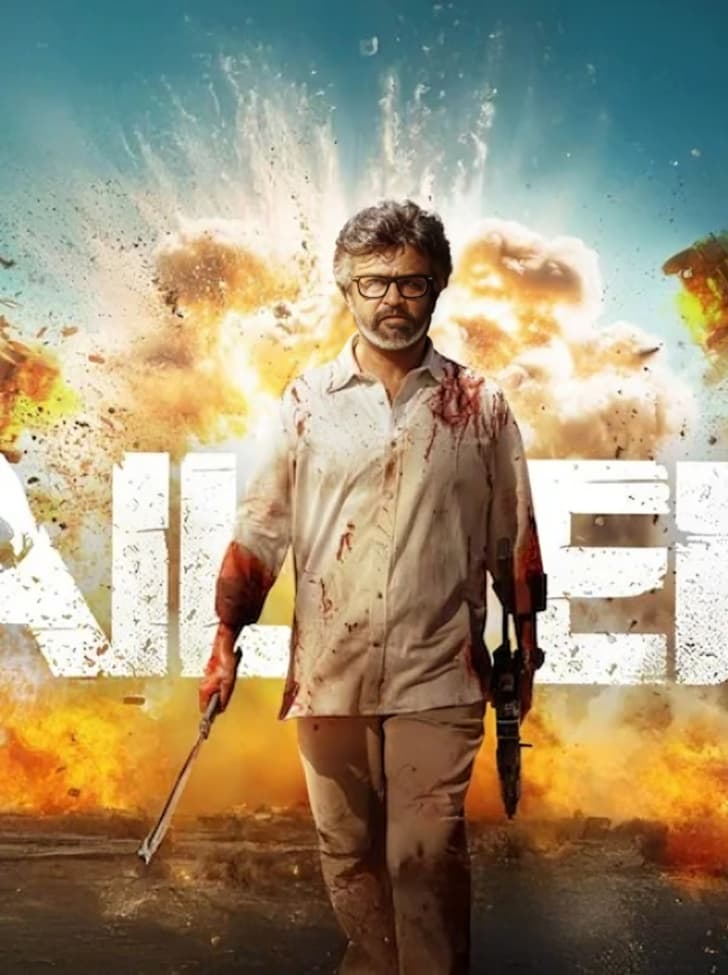
Trouble continues for Thalapathy Vijay’s highly anticipated film Jana Nayagan, as the Madras High Court reserves its verdict on the Central Board of Film Certification’s (CBFC) appeal against prior directions to certify the film. The case has not only delayed the film’s release but also reignited long-standing discussions about the relationship between Indian cinema and censorship, particularly regarding films with politically or socially charged content.
Originally scheduled for release on January 9, Jana Nayagan encountered hurdles during the certification process. While details about the objections raised by the CBFC remain largely undisclosed, reports suggest that certain scenes, dialogues, or narrative elements caused differences between the filmmakers and the board. This uncertainty over what specifically triggered the dispute has fueled speculation and debate among industry insiders and audiences alike.
The ongoing certification challenges highlight the larger tension between creative freedom and regulatory oversight in India. For decades, the CBFC has acted as the statutory body overseeing film certification, tasked with balancing public sensibilities, morality, and legal compliance. However, with contemporary filmmakers increasingly exploring socially relevant or politically sensitive themes, disputes over certification have become more frequent, drawing attention to perceived gaps in the framework.
Experts note that the Jana Nayagan episode reflects the challenge faced by Indian cinema in accommodating stories that push conventional boundaries. While the CBFC’s role is to ensure films comply with legal standards, filmmakers argue that creative expression often suffers under a system that lacks transparency regarding objections or required edits. The reserved verdict at the Madras High Court underscores this tension, leaving audiences and industry stakeholders awaiting clarity on both the film’s release and the certification norms.
Beyond the immediate impact on Jana Nayagan, the controversy raises broader questions about the evolving dynamics of Indian cinema. As audiences increasingly embrace diverse narratives, from political thrillers to socially conscious dramas, the regulatory framework faces pressure to adapt. Legal analysts suggest that cases like these may prompt a re-examination of how certification decisions are communicated and how creative freedoms can coexist with public interest safeguards.
For Vijay’s fans, the delay has created uncertainty about when the film will reach theatres, but for the industry, the issue represents a moment of reflection on the role of censorship in contemporary storytelling. Observers argue that the resolution of this case could influence future interactions between filmmakers and certification authorities, setting precedents for how politically or socially sensitive content is evaluated.
In conclusion, the Jana Nayagan certification row is more than a single film dispute. It has reopened critical conversations about creative freedom, censorship standards, and the evolving expectations of Indian audiences. As the Madras High Court prepares to deliver its verdict, the outcome will not only determine the fate of Vijay’s latest project but may also shape the broader discourse on the balance between regulation and artistic expression in India’s cinematic landscape.