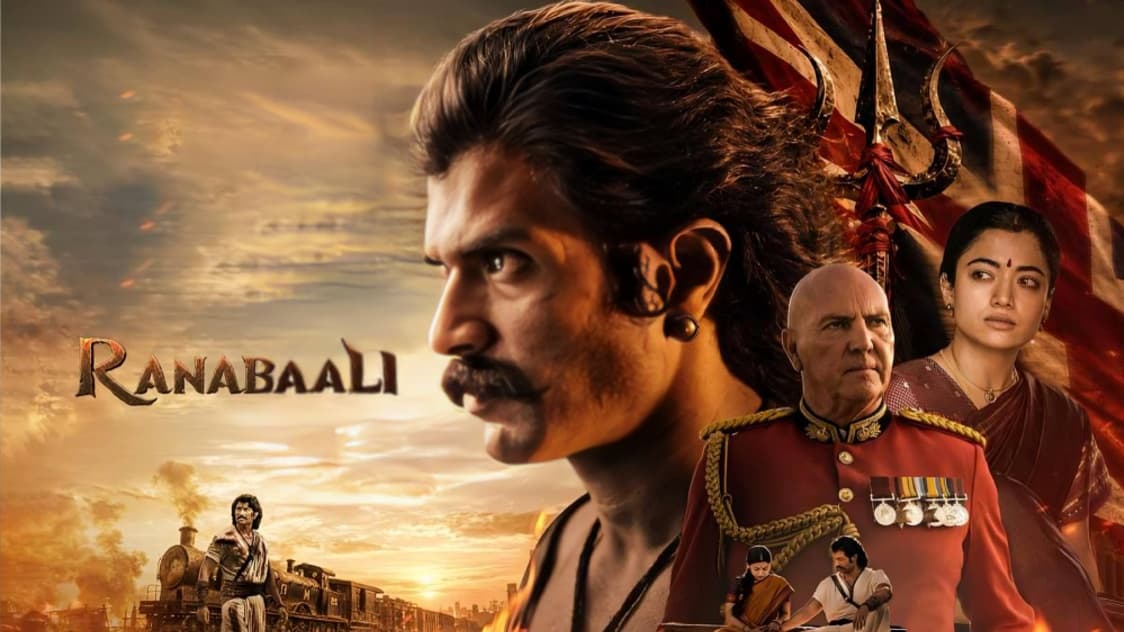
The Indian film industry has entered a new era with the announcement of Hanuman The Eternal, a project linked to superstar Chiranjeevi, which has been labeled as the first AI-generated film. The project has quickly become a talking point across the entertainment world, not only for its technological innovation but also for the questions it raises about the future of creative professionals in the film industry.
According to reports, Hanuman The Eternal has been developed using advanced artificial intelligence tools that were responsible for designing characters, generating sequences, and even building narrative frameworks. This makes it the first of its kind in Indian cinema to rely extensively on AI rather than traditional filmmaking methods. For many fans of Chiranjeevi, the news has sparked curiosity about how AI will interpret and portray mythological characters on screen, especially a figure as revered as Lord Hanuman.
While the project has generated excitement among tech enthusiasts and filmmakers eager to explore new possibilities, it has also stirred debate about whether such advancements might undermine the essence of creative storytelling. Director Vikramaditya Motwane, known for films like Udaan and Lootera, voiced his concerns on social media, asking, “Who needs writers now?” His statement reflects a broader fear that the rise of AI-generated content could marginalize the contributions of writers, directors, and other key creative professionals.
Motwane’s comments highlight an ongoing conversation in global cinema about the role of artificial intelligence in storytelling. While AI tools are being used across various industries to enhance efficiency and innovation, their application in creative fields such as filmmaking has often been met with caution. Writers, screenwriters, and storytellers argue that the emotional depth, cultural nuances, and originality that human creators bring cannot be replicated by machines.
Film analysts also suggest that Hanuman The Eternal will serve as an experiment to gauge how audiences respond to AI-generated storytelling. While technological spectacle may attract attention, sustaining emotional engagement with viewers remains a challenge that AI has yet to fully overcome. If successful, the film could pave the way for more AI-driven projects, changing the dynamics of filmmaking in India. However, if audiences find the lack of human touch noticeable, it may limit the scope of such ventures in the near future.
The use of AI in this project has also raised concerns about job security in the film industry. Writers, editors, and designers worry that an over-reliance on technology could reduce opportunities for skilled professionals, leading to broader discussions about ethics, creativity, and technological control.
For Chiranjeevi, whose fan base spans across generations, Hanuman The Eternal marks a bold step into uncharted territory. While it promises to showcase a fusion of mythology and technology, it also places Indian cinema at the forefront of debates about how artificial intelligence will shape the future of art and storytelling.
As the film progresses toward completion, audiences, industry experts, and policymakers alike will be closely observing its impact, both as a cinematic milestone and as a cultural test of how technology interacts with human creativity.