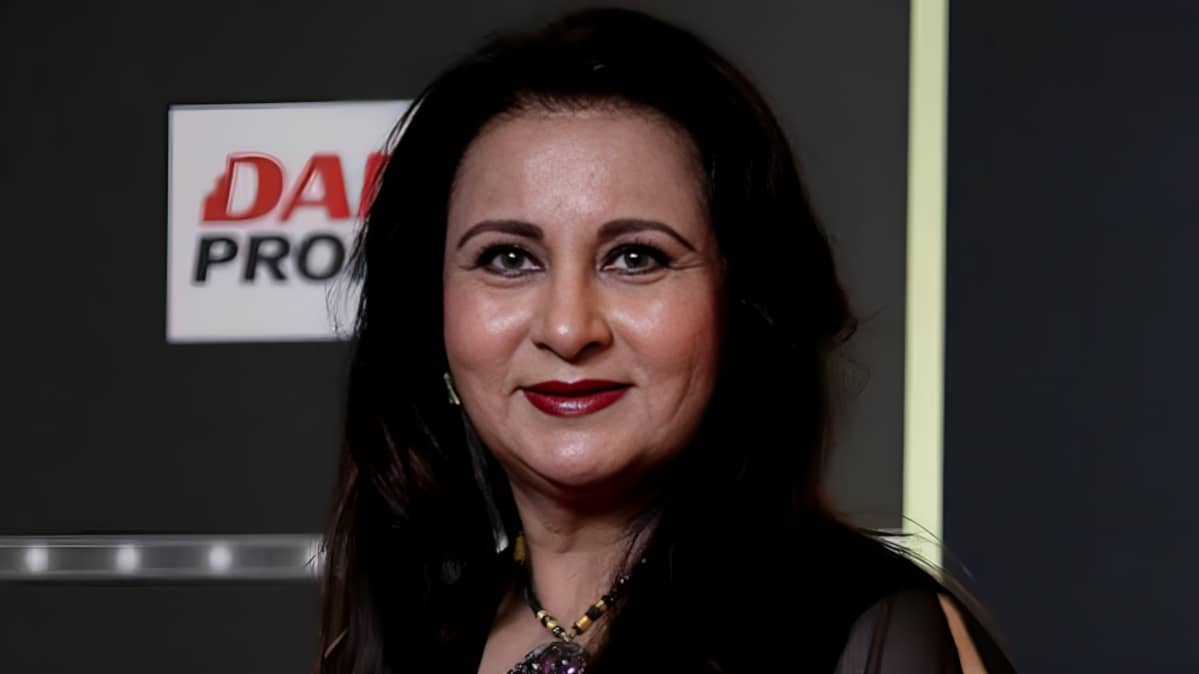
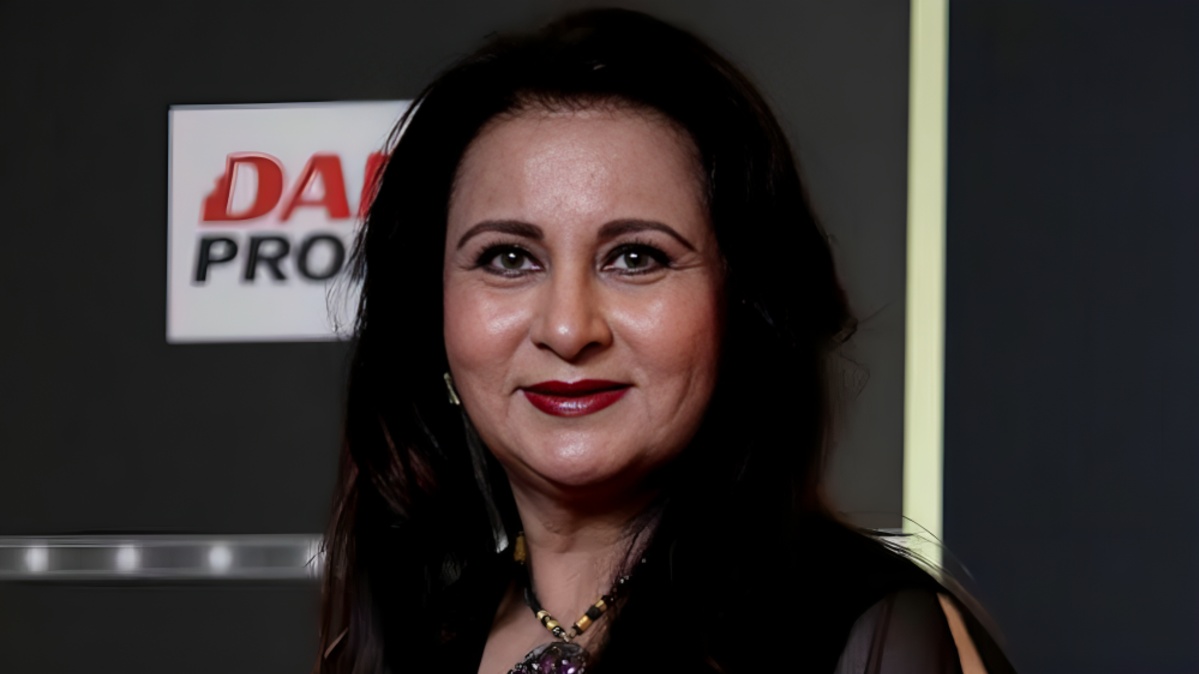
A fresh dispute has emerged within the Hindi film industry over access to the CINTAA office, with Cine and TV Artistes Association President Poonam Dhillon alleging that members, elected representatives and staff were prevented from entering the CINTAA Tower amid an ongoing disagreement with the Cine Artistes Welfare Trust, also known as CAWT.
Speaking to ANI, Dhillon described the situation as unusual and said CINTAA members were surprised after receiving communication concerning ownership and control of the building. According to her, several security personnel were deployed at the premises and members of the association were stopped from entering the office.
Dhillon claimed that the dispute is connected to questions over who has authority over the CINTAA Tower and its office space. She said CINTAA members had contributed financially to the construction of the building and that there had been an understanding concerning the use of the premises by both organisations.
One of the major claims raised by Dhillon concerns an alleged contribution of Rs 6 crore by CINTAA towards the construction of the tower. She said the contribution was made when CAWT was facing a shortage of funds and that the arrangement included a common office for CAWT and CINTAA.
According to Dhillon, the understanding also involved welfare activities for CINTAA members. She argued that CINTAA staff were employees of the association and questioned the authority of CAWT to prevent them from accessing their workplace.
The allegations have brought renewed attention to the relationship between CINTAA and CAWT and the arrangements surrounding the CINTAA Tower. The two organisations have been linked through their work for members of the entertainment industry, but the current dispute has raised questions about administrative control and access to the premises.
CINTAA members Deepak Qazir Kejriwal and Abhay Bhargav also spoke about the situation. Kejriwal said members had received a notice indicating that CINTAA members could not enter the tower. He further alleged that the communication was later changed to refer to staff access. He questioned the legal basis for preventing members or employees from entering the premises, according to ANI.
Visuals from the CINTAA office showed members and staff gathered at the premises while discussions were taking place over the dispute. Dhillon was also seen interacting with members and staff during the developments.
The latest disagreement comes against the background of a broader internal dispute within CINTAA. The association has recently faced disagreements involving its executive committee, elections and the functioning of its leadership.
According to reports, 11 CINTAA members had resigned amid concerns over how some important decisions were being taken. Dhillon and Padmini Kolhapure rejected allegations concerning the functioning of the association. The election process was subsequently challenged in court, while the court allowed the election process to continue subject to the outcome of the legal proceedings.
CINTAA has also published information about its executive committee and organisational functioning on its official website. The organisation describes itself as an autonomous body registered under the Indian Trade Union Act and says its day-to-day affairs are managed by an elected Executive Committee.
The organisation’s website currently states that CINTAA is fully operational and functional through its Executive Committee. This is relevant because the latest allegations concern access to the association’s office and the authority exercised over the premises.
Dhillon’s latest comments focus specifically on the alleged restrictions faced by CINTAA staff and members. She questioned why employees of CINTAA should be prevented from entering the association’s office and raised concerns about whether similar restrictions could happen again.
The dispute also highlights the importance of the CINTAA Tower to the association’s daily operations. The office serves as a base for administrative activities and member-related services. Any disagreement over access could therefore affect the routine functioning of the association and its interaction with members.
At this stage, the claims about ownership, financial contributions and access restrictions should be treated as allegations made by CINTAA representatives unless supported by relevant legal or official documents. The available reports primarily present Dhillon’s account and statements from CINTAA members. A detailed response from CAWT addressing each allegation was not available in the reports reviewed for this article.
The Rs 6 crore contribution claim is also based on Dhillon’s statement. She said CINTAA had provided the money to help with construction costs and that certain conditions were attached to the arrangement. The precise legal terms of any agreement between CINTAA and CAWT would be important in determining the respective rights of the organisations over office space and access.
The dispute comes at a time when CINTAA is already dealing with internal organisational issues. The association’s recent election process and disagreements among members have added another layer to the developments surrounding its administration.
Despite the controversy, CINTAA’s official website continues to list Poonam Dhillon as president and provides details of the association’s executive committee. The website also carries a public notice stating that the association is operational through its Executive Committee.
For now, the central issue remains the reported restriction on access to the CINTAA Tower and the disagreement between CINTAA representatives and CAWT over control of the premises. Dhillon has questioned CAWT’s authority to prevent CINTAA employees and members from accessing the office, while CINTAA members have also raised questions about the notices issued regarding access.
The matter could see further developments if either organisation releases official documents, statements or legal information concerning the ownership and usage arrangements for the tower. Until such information becomes available, claims about ownership, access rights and the authority of either organisation should be distinguished from confirmed facts.
The latest episode has nevertheless brought the CINTAA and CAWT dispute into wider public attention, particularly because it involves prominent actors and office-bearers from the Hindi film industry. Further clarification from both sides could determine how the issue over the CINTAA Tower and access to the association’s office is resolved.