The release of Aaya Sher, the first song from actor Nani upcoming action thriller The Paradise, has sparked debate on social media following allegations of choreography similarity raised by Instagram influencer Baba Jackson. The influencer claimed that the hook step featured in the song mirrors a dance move he had posted on his social media account months earlier.
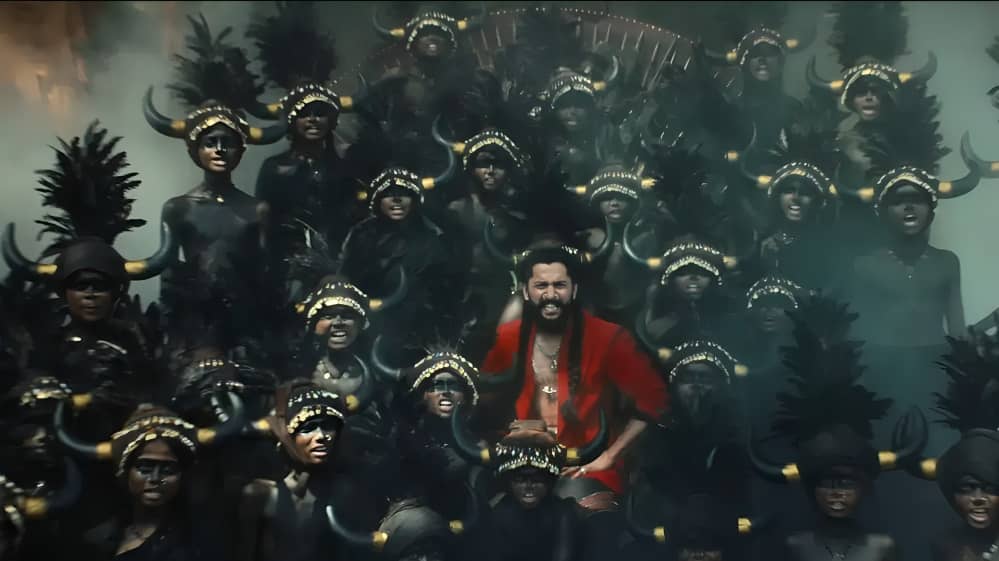
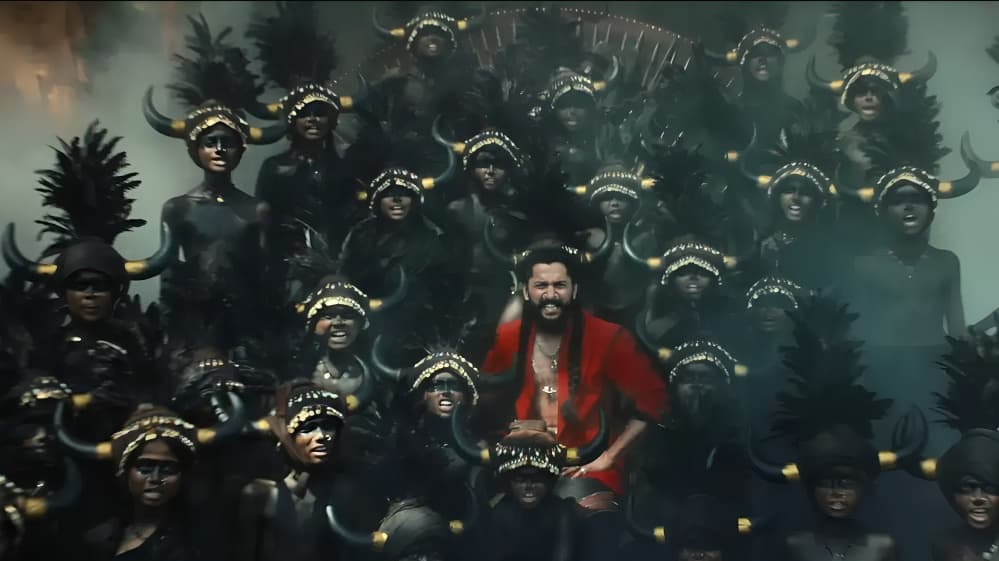
Aaya Sher showcases Nani performing an energetic dance routine that includes a distinctive squat and forward leg thrust movement timed with fast paced beats. The track has been composed by Anirudh Ravichander and is positioned as a high energy promotional number ahead of the film release. Shortly after the song launch, Baba Jackson shared a video on his Instagram profile presenting side by side clips comparing his earlier dance performance with the step performed in the film song.
Baba Jackson, who has more than 2.2 million followers on Instagram, stated that the hook step in the song appeared similar to choreography he had created and uploaded previously. His post quickly gained traction, drawing comments from fans and followers across platforms. While some social media users agreed with the influencer and called for acknowledgement, others defended the film team, stating that similar dance moves are common in choreography.
As of now, neither the film production team nor the choreographer associated with Aaya Sher has issued an official statement addressing the claim. Industry observers note that disputes regarding choreography similarities have surfaced occasionally in the entertainment industry, especially with the increasing visibility of independent creators on digital platforms.
The Paradise is described as an action thriller and is among the anticipated releases in Nani upcoming projects. The actor has built a strong following across Telugu cinema and has recently gained wider recognition through pan Indian releases. Music composer Anirudh Ravichander is known for delivering chart topping soundtracks across multiple languages, adding to the anticipation surrounding the film music.
Legal experts point out that choreography can be subject to copyright protection if it meets certain originality standards. However, establishing infringement typically requires detailed examination of creative ownership and documentation. In the digital era, where dance trends often circulate widely, similarities can sometimes arise due to shared influences or popular movement styles.
The controversy surrounding Aaya Sher reflects the growing intersection between mainstream cinema and social media creators. Influencers with substantial online followings now play a significant role in shaping public discourse around films and entertainment content.
Despite the debate, the song continues to attract views and engagement across streaming platforms. It remains to be seen whether the production team will respond formally to the allegations or if the issue will settle through informal clarification. For now, the discussion highlights the evolving relationship between film choreography and independent digital creators in the entertainment ecosystem.