Protests against the proposed Siang Upper Multipurpose Project intensified in Arunachal Pradesh’s Upper Siang district during Chief Minister Pema Khandu’s visit on September 30, 2026. Residents and groups opposing the project blocked roads at several locations and raised objections to the government’s proposed Pre Feasibility Report survey for the large hydropower project.
The Siang Upper Multipurpose Project, commonly known as SUMP, has a proposed capacity of more than 10,000 megawatts. The project has remained a contentious issue in the Siang region, particularly among sections of the indigenous Adi community and residents who could be affected by the proposed development.
According to reports, protesters blocked roads along the Yingkiong Komkar Geku stretch and towards Dite Dime during the Chief Minister’s visit. The road blockades affected movement in the area and disrupted the movement of government officials and other vehicles.
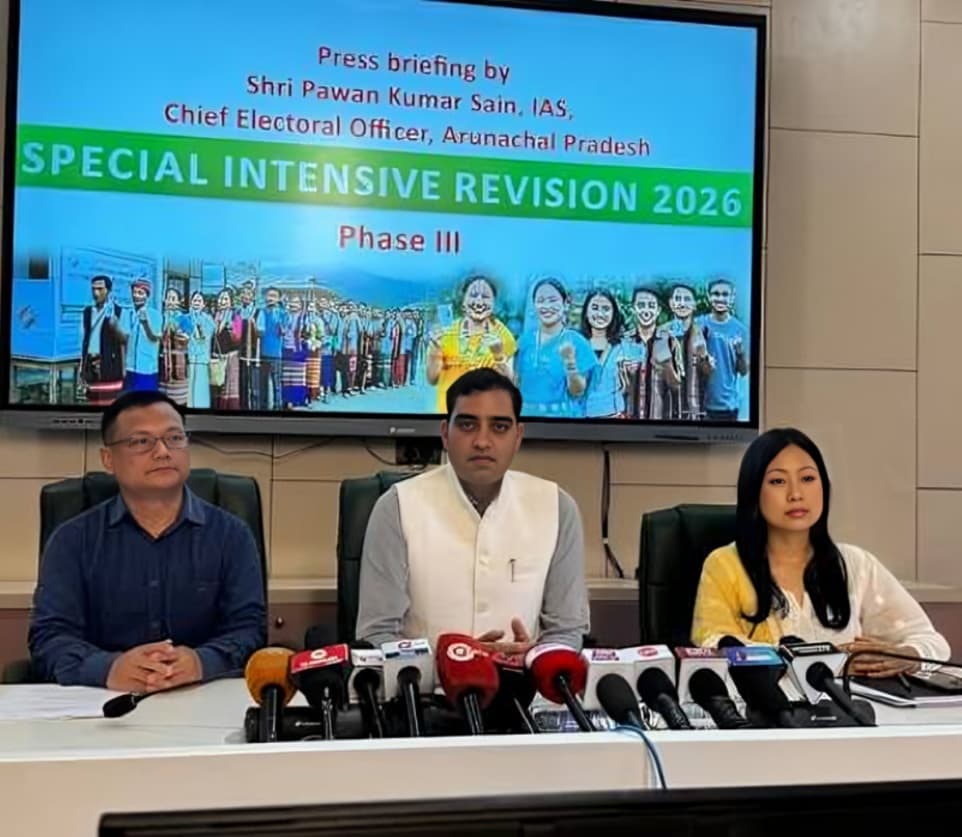
The immediate issue behind the latest protests is the proposed Pre Feasibility Report survey. The state government has maintained that the PFR is an initial technical assessment and does not amount to final approval for construction of the project. Chief Minister Pema Khandu has said the government wants to complete the feasibility assessment before any decision is taken on the future of the project.
Khandu has also said that the PFR would help determine the technical feasibility of the project and identify relevant technical parameters. According to the Chief Minister’s position, subsequent steps would depend on the findings of the assessment and would include processes such as environmental and social impact assessments, preparation of a detailed project report and consultations.
However, several local residents and organisations opposing the project have objected to the PFR process itself. They have demanded that the government first hold direct discussions with communities that could be affected by the project. Protesters have also called for the withdrawal of additional security forces deployed in areas where the survey is proposed.
During the September 30 protests, the situation reportedly escalated in several locations. According to police and district officials cited by news organisations, government vehicles were damaged and a police vehicle was set on fire near the Dite Dime area. Security personnel also intervened at some locations, resulting in clashes and scuffles with protesters.
Reports also said that protesters entered the residence of Tuting Yingkiong MLA Alo Libang in Yingkiong and allegedly vandalised the premises. The incident occurred while several political leaders and government representatives were in the area. These reports concern allegations made in connection with the unrest and remain subject to official investigation.
The protests also affected the movement of senior state government leaders. Reports said demonstrators gathered near a hotel where Deputy Chief Minister Chowna Mein, ministers Ojing Tasing and Nyato Dukam and Chief Minister’s Advisor Ninong Ering were staying. Their movement to scheduled programmes was reportedly affected by the protests.
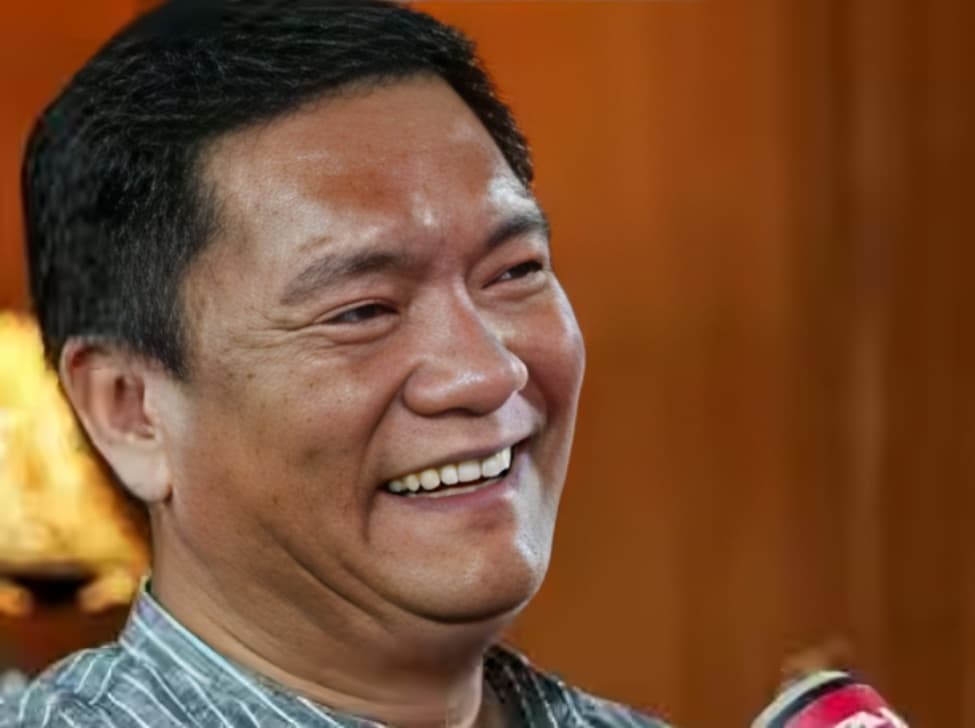
Despite the protests, Upper Siang Deputy Commissioner Ashok Tajo said that Chief Minister Pema Khandu completed his scheduled official meeting in Yingkiong before leaving the district by helicopter. The Chief Minister had been visiting the Siang and Upper Siang districts as part of efforts to explain the government’s position on the proposed feasibility study and engage with local representatives.
Khandu has previously said that the government is open to dialogue with residents and groups opposing the project. During the latest visit, he said he would return to the region and spend more time meeting people in villages. He also said that the government was not seeking to immediately construct the dam and that the current stage concerned only the feasibility assessment.
Opposition to the proposed project is linked to concerns about its possible impact on local communities and the environment. Residents and organisations have raised concerns about displacement, loss of ancestral and customary land, changes to livelihoods and possible effects on the cultural identity of indigenous communities. Environmental concerns related to large-scale construction on the Siang River have also been raised.
The issue has a longer history. Earlier proposals for large hydropower projects in the Siang region had also faced opposition from sections of local tribal communities. Previous concerns included possible submergence of villages, displacement and the potential impact on traditional livelihoods and cultural heritage.
The current dispute is therefore centred not only on the proposed power project but also on the process through which the government intends to assess its feasibility. While the state government has described the PFR as an assessment stage rather than a final construction approval, protesters are demanding that their concerns be addressed before survey activities proceed.
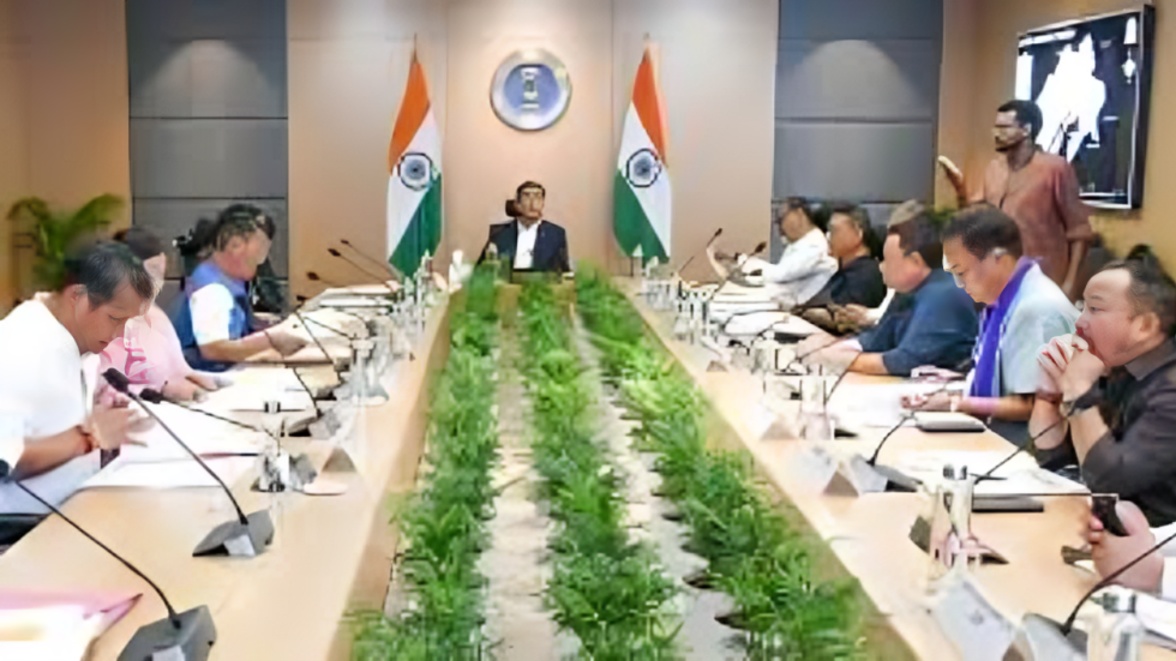
The government has also constituted an Empowered High Level Committee headed by Rural Development and Panchayati Raj Minister Ojing Tasing to coordinate and oversee the PFR process. The administration has maintained that the feasibility exercise should proceed peacefully and that further decisions should be based on technical and other assessments.
The situation in Upper Siang remains closely watched as discussions continue between the government and local communities. The protests have highlighted the continuing disagreement over the proposed Siang Upper Multipurpose Project, with the government focusing on the feasibility assessment and protesters seeking greater consultation and assurances regarding land, livelihoods, displacement, security deployment and environmental concerns.
The incidents reported during the protests, including damage to vehicles and alleged vandalism, should be treated as matters under official investigation unless established through due legal proceedings. The final decision on whether the project will proceed will depend on the outcome of the feasibility process, subsequent assessments and the relevant government approvals and consultations.