

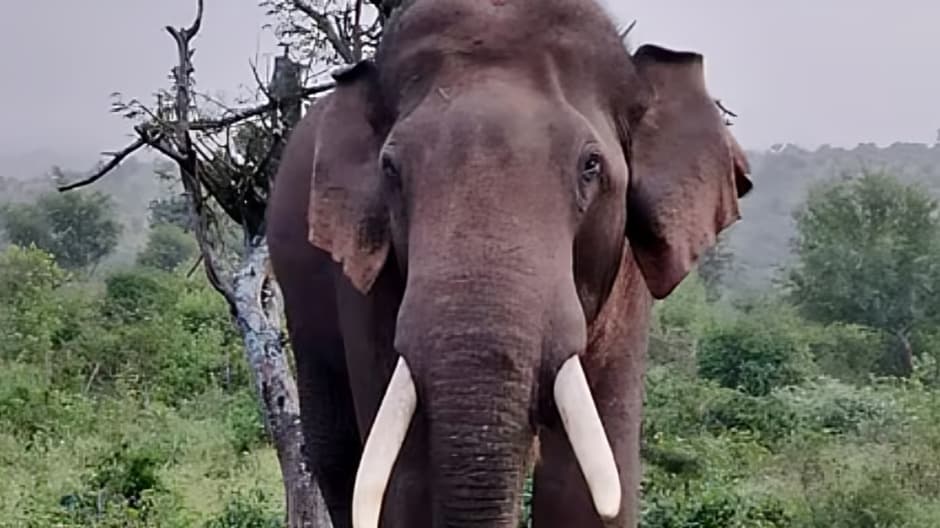
India is home to one of the largest populations of Asian elephants, yet recent reports indicate a worrying decline in their numbers. Habitat loss, human encroachment, and increasing human-elephant conflicts are cited as major factors contributing to this decline. Forest fragmentation due to deforestation, industrial projects, infrastructure development, and expanding agricultural land has reduced the area available for elephants to roam. As a result, wild elephants increasingly move into human settlements in search of food and water, escalating conflicts.
Human-elephant conflicts have become more frequent and severe in states such as Karnataka, Kerala, Assam, and Tamil Nadu. Incidents include crop destruction, property damage, and casualties on both sides. Farmers and villagers often face severe economic and emotional impacts, while elephants suffer injuries or are killed in retaliation or accidents. Wildlife experts emphasize that these conflicts are primarily driven by shrinking natural habitats and limited migration corridors.
Efforts to conserve elephants include establishing protected reserves, wildlife corridors, and early warning systems. Wildlife corridors are essential to connect fragmented forests, allowing elephants to migrate safely between habitats without entering human settlements. However, rapid urbanization and land-use changes often disrupt these corridors, undermining conservation initiatives.
Government agencies, non-governmental organizations, and local communities are working together to implement conflict mitigation measures. These include creating buffer zones, constructing trenches or barriers in high-conflict areas, and promoting awareness among villagers about safe practices to avoid encounters. Some regions are also experimenting with innovative approaches such as electric fencing, community-based monitoring, and compensation schemes for crop losses.
The decline in elephant populations has broader ecological implications. Elephants are keystone species, meaning they play a critical role in maintaining forest ecosystems. Their movement and feeding behavior help disperse seeds and maintain vegetation diversity, benefiting numerous other wildlife species. A reduction in their numbers can disrupt these ecological processes, ultimately affecting biodiversity.
Conservationists stress the urgency of coordinated national and regional strategies to address both habitat loss and human-elephant conflicts. This involves stricter enforcement against illegal logging, better land-use planning, and incentives for communities to coexist with wildlife. Involving local populations in conservation programs and providing sustainable alternatives can reduce conflict and enhance the protection of elephants.
While India has made progress in elephant conservation, ongoing challenges highlight the need for stronger policies and proactive measures. Protecting habitats, restoring degraded forests, ensuring connectivity between wildlife corridors, and promoting coexistence between humans and elephants are vital steps to safeguard these iconic animals for future generations. Without sustained efforts, India risks further decline in its wild elephant population, with serious consequences for both biodiversity and human communities.


