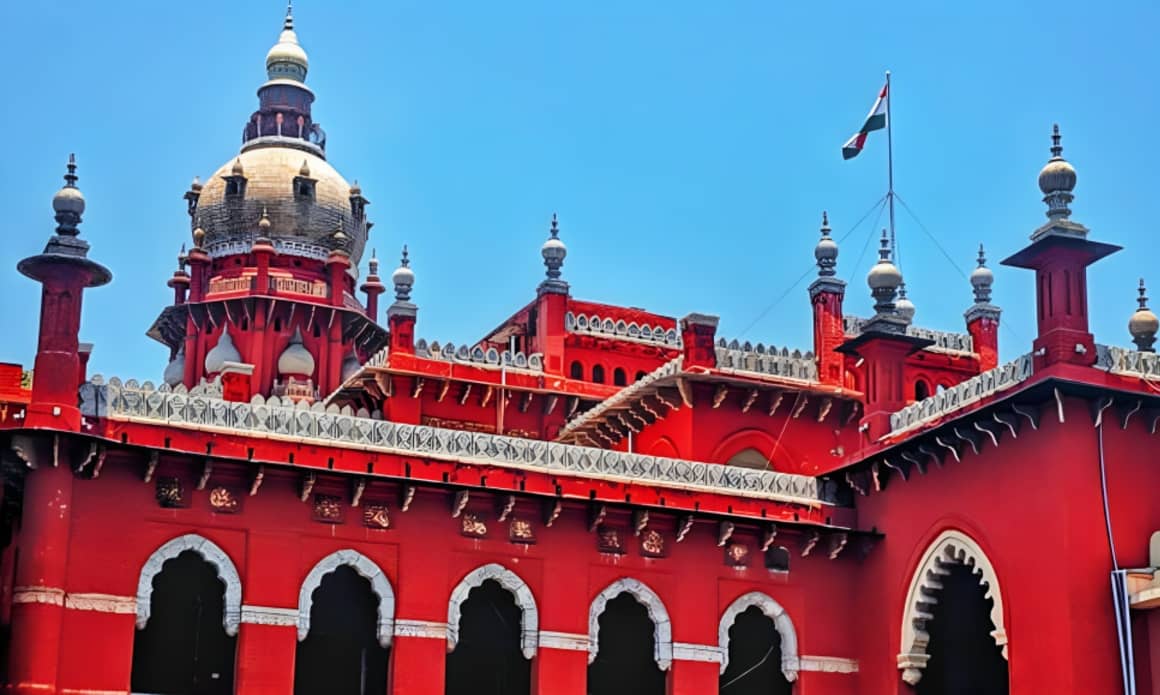
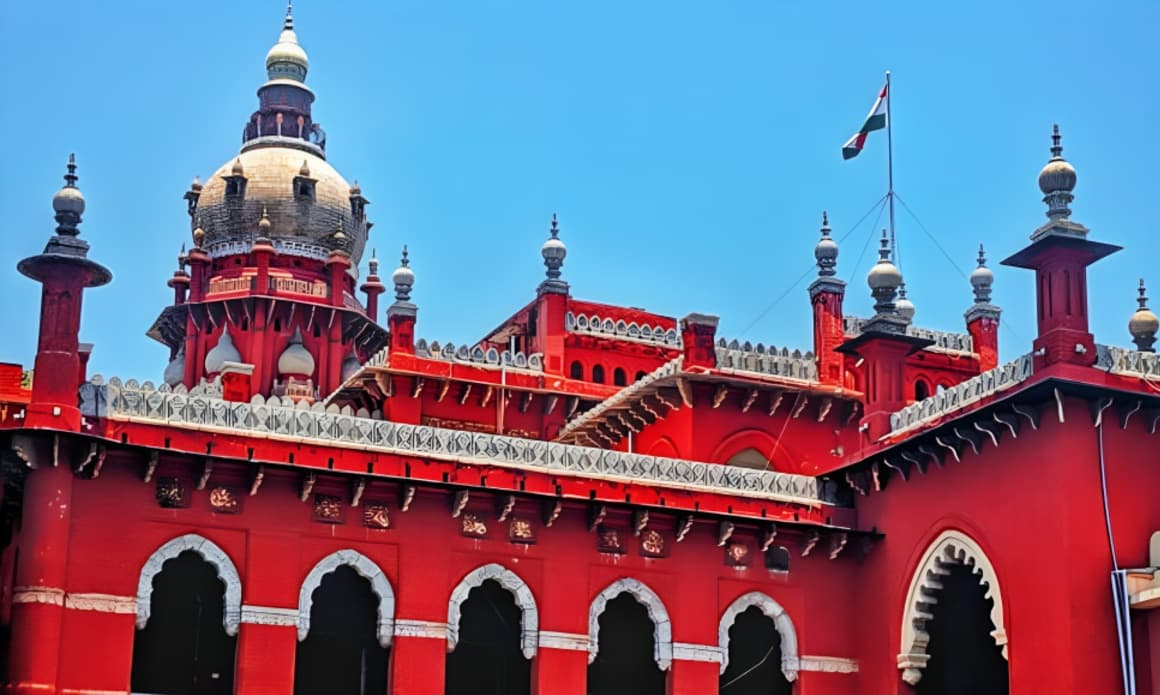
The Madras High Court has reportedly discussed the expectations associated with entry into Agamic temples, observing that non-Hindus seeking entry must demonstrate reverence for the deities worshipped at such places. The court reportedly referred to Tamil Nadu Chief Minister Joseph Vijay’s visit to the Meenakshi Amman Temple in Madurai during its discussion.
The observation has drawn attention to the relationship between religious customs, temple entry practices and the beliefs of visitors. It has also raised questions about how traditional temple practices are interpreted in the context of individual freedom of belief and access to places of worship.
The precise legal context of the court’s remarks is important. Judicial observations made during a hearing must be understood in relation to the specific case, the arguments presented and any formal directions contained in the court’s order. The reported comments should not automatically be interpreted as a blanket rule applying to every temple or every visitor.
Court Discusses Expectations at Agamic Temples
Agamic temples follow traditional religious practices and rituals associated with Agama texts. These traditions can govern different aspects of temple worship, including rituals, ceremonies and the conduct expected within the temple premises.
The Madras High Court reportedly highlighted the importance of reverence for the presiding deity when discussing entry by non-Hindus into Agamic temples. The observation brings the question of religious practice into focus, particularly where the customs of a place of worship intersect with questions of access and personal belief.
However, the precise scope of the reported observation depends on the case in which it was made. Without the full judgment or order, it would be premature to conclude that the court has established a new, universally applicable legal requirement for all non-Hindu visitors to temples.
The distinction between a judicial observation and a binding direction is important. A court may make comments while considering legal arguments, but the legal effect of those comments depends on the judgment, the issues under consideration and the directions actually issued.
Joseph Vijay’s Visit to Meenakshi Amman Temple
The court reportedly referred to Tamil Nadu Chief Minister Joseph Vijay’s visit to the Meenakshi Amman Temple in Madurai while discussing the issue of temple entry and reverence for deities.
The Meenakshi Amman Temple is one of Madurai’s best-known religious and cultural landmarks. It is associated with the worship of Goddess Meenakshi and Lord Sundareswarar and attracts devotees and visitors from different parts of India.
A visit to a prominent temple by a public figure can draw public attention to questions about religious customs and the conduct expected of visitors. In this instance, the reported reference to Vijay’s visit has connected the court’s discussion with a wider debate about temple traditions and religious observance.
The reference should nevertheless be understood within the context of the court proceedings. The fact that a public figure’s temple visit was mentioned does not, by itself, establish that the court made a separate legal finding about that individual or the circumstances of the visit.
Religious Customs and Individual Beliefs
Temple entry practices can involve questions about customary observances, the role of religious institutions and the expectations placed on visitors. These issues may become subjects of legal discussion when different views arise about access to places of worship.
For Agamic temples, religious traditions are associated with prescribed rituals and established forms of worship. Supporters of maintaining these practices often emphasise the importance of preserving the customs associated with a temple and respecting its religious character.
At the same time, questions concerning religious access and individual beliefs can involve broader legal principles. The applicable rules may depend on the relevant law, the nature of the institution and the specific circumstances of a dispute.
The reported observation by the Madras High Court places the question of reverence for deities within this broader discussion. A careful understanding requires examining the actual court order rather than relying solely on a short description of the remarks.
Importance of the Legal Context
Court observations often attract public attention, especially when they concern religion, public figures or established customs. However, headlines and brief summaries may not capture the full reasoning behind a judicial statement.
In this case, the headline refers to the requirement that non-Hindus affirm reverence for a deity before entering an Agamic temple. To assess the legal meaning of that statement, readers need to distinguish between the reported observation, the arguments made by the parties and any final directions issued by the court.
It is also important not to assume that the observation applies identically to every religious institution. Temple practices can differ, and the legal issues raised in a particular case may be limited to specific circumstances.
The full order would clarify the precise question before the court, the reasoning behind the observation and whether the court issued any binding directions. Until those details are established, the development is best described as a reported judicial observation about religious reverence and temple entry.
Public Attention and Further Clarification
The reference to Chief Minister Joseph Vijay’s visit to the Meenakshi Amman Temple has brought the discussion into the public domain. The issue is relevant to wider conversations about religious customs, temple administration and the expectations associated with entering places of worship.
The development also demonstrates why accurate reporting of judicial proceedings is important. A brief statement about a court’s remarks may leave out important legal distinctions, including whether the comments form part of a final ruling or are observations made during a hearing.
Readers should therefore consider the exact wording of the court’s order before drawing conclusions about the legal rights or obligations of non-Hindu visitors. The reported remarks alone do not establish a universal prohibition on entry or a new rule applying to all temples.
The Madras High Court’s reported discussion has renewed attention to the relationship between traditional temple practices and individual religious beliefs. The precise implications will depend on the legal context and the formal findings, if any, recorded in the relevant proceedings.