The Tamil Nadu government has ordered government schools in Krishnagiri district to offer Telugu and Kannada as optional subjects for students belonging to linguistic minority communities. The decision is expected to give students whose mother tongue is Telugu or Kannada an opportunity to study their languages as part of their school education.
Students from areas including Hosur, Denkanikottai, Anchetty and Veppanapalli are expected to benefit from the initiative. More than 450 government schools across the district are expected to make arrangements for teaching these languages, covering students from primary classes through Class 12.
A Demand for Mother Tongue Education Lasting More Than a Decade
According to the information provided, Telugu and Kannada language classes had not been available to linguistic minority students in Krishnagiri government schools for more than a decade. This led to continuing demands for students studying in government institutions to receive opportunities to learn their mother tongue.
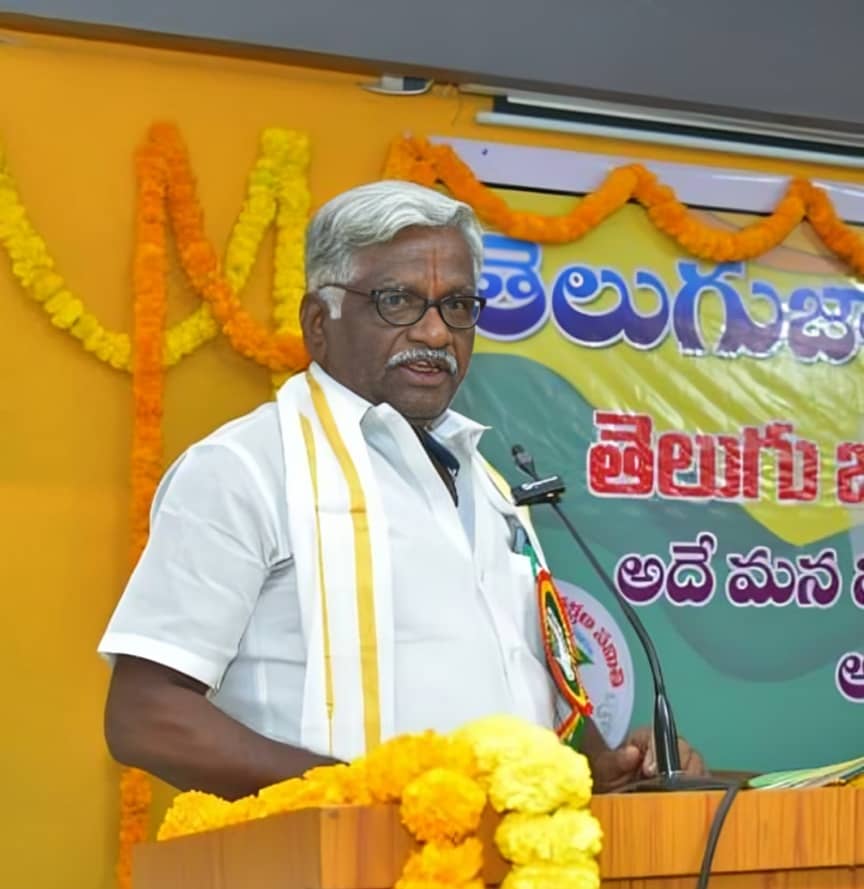
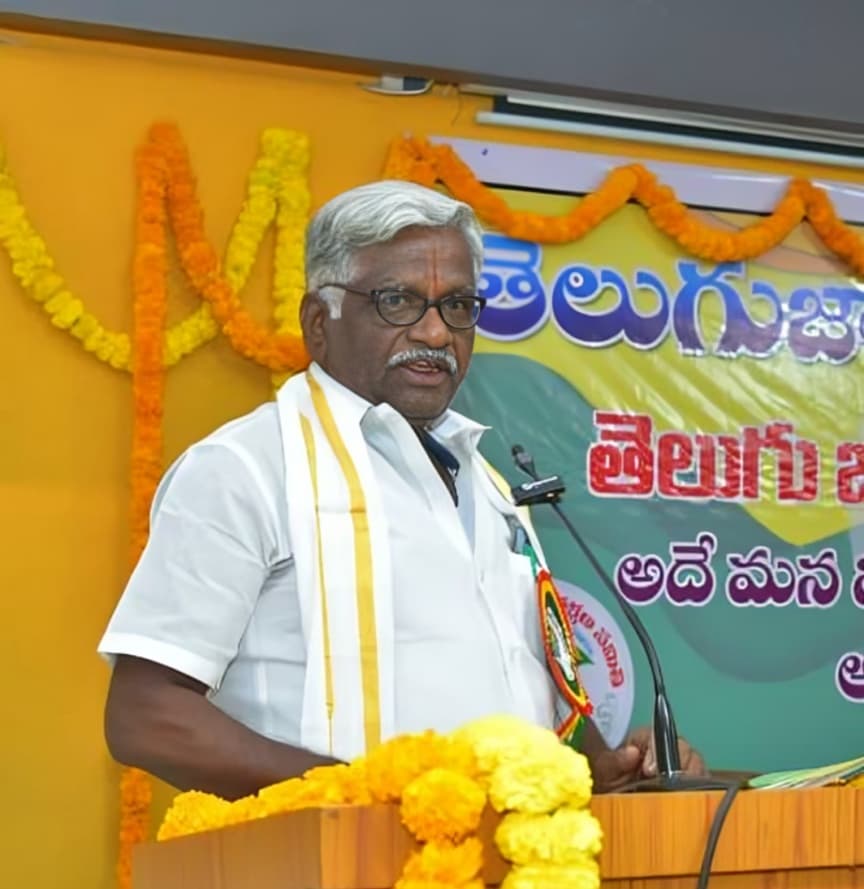
A V Seetharamaiah, South Zonal Chairman of Rashtrathethara Telugu Samakhya, approached the Supreme Court in connection with the issue. He brought attention to the educational needs of linguistic minority students and the importance of providing opportunities for them to study their mother tongue.
The Supreme Court reportedly issued a direction stating that there should be no restriction on mother tongue learning. Following the court proceedings, steps have been taken to introduce Telugu and Kannada as optional subjects in government schools across Krishnagiri district.
Mother Tongue Education Request Raised With Krishnagiri MP K Gopinath
A V Seetharamaiah, South Zonal Chairman of Rashtrathethara Telugu Samakhya, has been raising the need for Telugu and Kannada language education for students from linguistic minority communities.
In this connection, a request concerning mother tongue education has also been raised with Krishnagiri Member of Parliament K Gopinath. The central demand is to ensure that students who wish to study Telugu or Kannada have access to these languages in government schools.
Access to mother tongue education can help students improve their language skills while maintaining their linguistic and cultural identity. For children who speak Telugu or Kannada at home, learning these languages at school can strengthen their reading, writing and comprehension skills.
Seetharamaiah has emphasised the importance of addressing the educational needs of linguistic minority students. The initiative seeks to ensure that students in Krishnagiri district have opportunities to learn their mother tongue alongside their regular school subjects.
District Chief Educational Officer Issues Circular
Following developments concerning mother tongue education, the Krishnagiri District Chief Educational Officer issued a circular dated October 26, 2026.
The circular was sent to the head teachers of primary, middle, high and higher secondary schools across the district. It provides instructions regarding the teaching of Telugu and Kannada as optional subjects for students whose mother tongue is one of these languages.
Under the proposed arrangement, schools are expected to take steps to provide students with the opportunity to select their mother tongue as an optional subject. More than 450 government schools in the district are expected to be covered by the initiative.
The programme is expected to extend from primary classes to Class 12. However, practical details such as the commencement of classes, teacher availability and the allocation of teaching periods will depend on further arrangements made by the education authorities.
Students in Hosur and Other Areas Expected to Benefit
Krishnagiri district is located close to the borders of Andhra Pradesh and Karnataka. People speaking different languages live across the district, including families whose mother tongue is Telugu or Kannada.
Students in Hosur, Denkanikottai, Anchetty and Veppanapalli are among those expected to benefit from the decision. Access to their mother tongue through school education may help students develop reading, writing and communication skills in the language they use at home.
The initiative may also help younger generations continue learning languages that have been spoken within their families for many years. By offering Telugu and Kannada as optional subjects, government schools can provide additional language-learning opportunities without replacing the regular curriculum.
Importance of Offering Telugu and Kannada as Optional Subjects
The introduction of Telugu and Kannada as optional subjects will give students the opportunity to learn these languages according to their interests and educational needs. The initiative is intended to expand language-learning options rather than replace the existing school curriculum.
Successful implementation will depend on the availability of qualified teachers, suitable textbooks, learning materials and sufficient time for lessons. School administrations and education officials will need to make arrangements according to the needs of students in their respective institutions.
Mother tongue education involves more than learning vocabulary and grammar. It can also help students understand their cultural background and maintain connections with their family language. Providing opportunities to learn these languages in government schools may therefore support both educational access and linguistic continuity.
Seetharamaiah Welcomes the Government's Decision
A V Seetharamaiah, South Zonal Chairman of Rashtrathethara Telugu Samakhya, has welcomed the Tamil Nadu government's announcement.
He has stated that the move addresses a long-standing concern, as Telugu and Kannada classes had reportedly not been conducted in government schools in the district for more than a decade. The decision is expected to benefit linguistic minority students who want to learn their mother tongue through the public education system.
With the request for mother tongue education also raised with Krishnagiri MP K Gopinath, there is an expectation that the educational needs of linguistic minority students will continue to receive attention.
Overall, the decision to offer Telugu and Kannada as optional subjects in Krishnagiri government schools represents a step towards expanding educational opportunities for linguistic minority students. The effectiveness of the initiative will depend on how the education department and individual schools implement the circular and ensure that students can access the proposed classes.