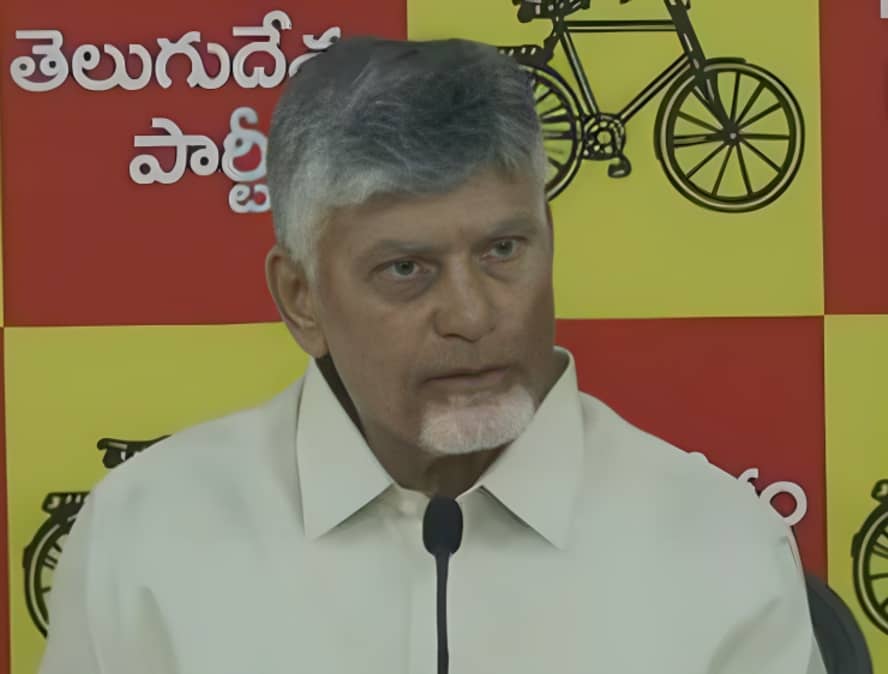
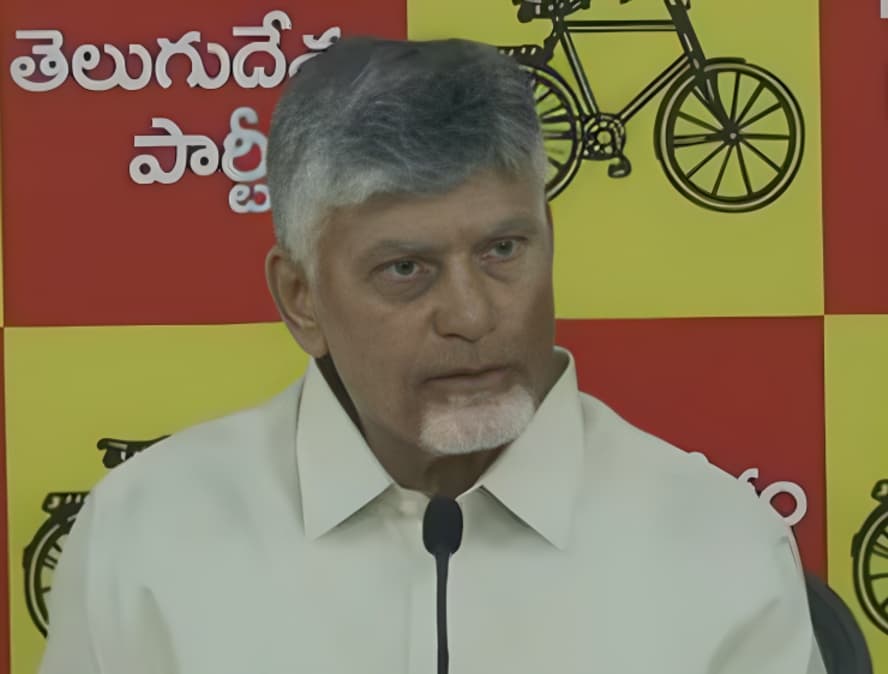
Andhra Pradesh Chief Minister N Chandrababu Naidu and Deputy Chief Minister Pawan Kalyan have expressed support for the central government's Special Intensive Revision of electoral rolls, commonly known as SIR. Their position comes amid criticism from opposition parties, including members of the INDIA bloc, over the revision of voter lists and its possible implications for the electoral process.
The debate has brought renewed attention to the accuracy of electoral rolls, the responsibilities of political parties and the role of election authorities in maintaining a transparent voting system. Naidu has defended the revision exercise and questioned the timing of the opposition's concerns, arguing that objections to electoral procedures have become more prominent after unfavourable election results.
Naidu also stated that political parties had been invited to participate in the enumeration exercise. He questioned why parties that had opportunities to engage with the process had not raised similar concerns earlier. His remarks reflect the position of the Andhra Pradesh leadership in the ongoing political debate over electoral roll revision.
Pawan Kalyan has also expressed support for the Centre's position on the issue. Their backing adds to the political discussion surrounding the revision exercise, which has become a point of disagreement between the ruling alliance and opposition parties.
What Is the Special Intensive Revision of Electoral Rolls
The Special Intensive Revision is an exercise intended to review electoral rolls and improve the accuracy of voter records. Electoral rolls contain the names of eligible voters who are entitled to participate in elections in their respective constituencies.
Maintaining accurate voter lists is an important responsibility of election authorities. Changes in population, migration, deaths, new voter registrations and other developments can affect the accuracy of electoral records over time. A revision exercise is intended to identify and address discrepancies in accordance with the applicable rules.
The process can involve the verification of voter details, the identification of eligible electors and the correction of inaccurate entries. Depending on the applicable procedures, voters may also need to provide information or documents to establish their eligibility.
The objective of electoral roll revision is to ensure that eligible citizens can exercise their voting rights while maintaining reliable voter records. At the same time, the process must follow established safeguards so that eligible voters are not unfairly excluded.
The debate surrounding SIR reflects differing political views about how such exercises should be conducted and monitored. Supporters argue that a thorough review can improve electoral accuracy, while critics have raised concerns about transparency, implementation and the possibility of eligible voters facing difficulties during verification.
Chandrababu Naidu Questions the Opposition's Position
Chandrababu Naidu has criticised the INDIA bloc over its objections to the electoral process. He questioned why opposition parties were raising concerns after receiving unfavourable election results rather than participating more actively in the revision exercise from the beginning.
According to Naidu, political parties had been invited to take part in the enumeration process. He used this point to challenge the opposition's criticism and questioned its earlier response to the exercise.
His remarks place emphasis on the participation of political parties in electoral administration. Political parties can play an important role in identifying discrepancies, informing voters about registration procedures and bringing potential errors in electoral rolls to the attention of election authorities.
However, disagreements over electoral roll revision involve several questions, including the availability of information, the effectiveness of verification procedures and the mechanisms through which voters can challenge errors. The existence of invitations to participate does not, by itself, settle every concern raised about the implementation of a revision exercise.
The debate therefore involves both political arguments and administrative questions about how the process is carried out. The views expressed by Naidu represent his defence of the Centre's approach, while the opposition's objections reflect its concerns about electoral procedures.
Pawan Kalyan Backs the Centre's Approach
Pawan Kalyan, who serves as Andhra Pradesh's Deputy Chief Minister, has also supported the Centre on the Special Intensive Revision issue. His position is consistent with the support expressed by the state's leadership for the revision of electoral rolls.
The backing from Naidu and Pawan Kalyan gives the central government's approach support from two prominent leaders in Andhra Pradesh's ruling alliance. Their statements have added a state-level political dimension to a debate that extends beyond any single constituency or election.
The issue is significant because electoral rolls form the foundation of the voting process. Political parties have an interest in ensuring that their supporters and all other eligible voters are correctly registered. They also have a responsibility to raise concerns through the appropriate channels when errors are identified.
Support for SIR does not remove the need for transparency and clear communication. Election authorities must implement the relevant procedures consistently and provide appropriate mechanisms for correcting mistakes and resolving disputes.
Opposition Concerns and Electoral Transparency
Opposition parties have questioned aspects of the electoral roll revision process, making transparency and voter protection central issues in the wider debate. Such concerns need to be examined through the applicable rules, official information and evidence relating to the implementation of the exercise.
The accuracy of voter lists is important for both electoral integrity and the protection of voting rights. Errors can create problems for eligible citizens, particularly if their names are missing or their details are recorded incorrectly. Clear procedures for verification, correction and appeals can help address these issues.
Election authorities also have a responsibility to communicate deadlines, documentation requirements and correction procedures in a way that voters can understand. Political parties can support this work by helping eligible voters access accurate information and report potential discrepancies.
The disagreement between the Centre's supporters and opposition parties highlights the importance of maintaining public confidence in the electoral process. Claims about irregularities and the effectiveness of the revision exercise should be assessed using verifiable evidence rather than political statements alone.
Importance of Voter List Accuracy
Electoral roll management is a continuing part of election administration in India. Accurate records help establish voter eligibility and support the orderly conduct of elections at the state and national levels.
A successful revision exercise must balance the need to remove inaccuracies with the responsibility to protect the voting rights of eligible citizens. This requires clear verification standards, accessible correction mechanisms and consistent implementation of the rules.
Political participation can also contribute to this process. Parties and their representatives may help identify errors and inform voters about the steps required to check their registration details. Cooperation between election authorities, political parties and voters can help reduce confusion and improve the reliability of electoral records.
The discussion surrounding SIR is therefore not limited to a disagreement between political leaders. It also concerns the broader principles of electoral transparency, administrative accountability and equal access to voting rights.
What Happens Next
The debate over the Special Intensive Revision is likely to remain an important political issue as discussions continue between the government and opposition parties. Chandrababu Naidu and Pawan Kalyan have backed the Centre's position, while Naidu has challenged the opposition's criticism and questioned why concerns were not raised earlier.
The wider implications will depend on how the revision exercise is implemented, how concerns are addressed and whether the relevant procedures provide sufficient safeguards for eligible voters. Official clarifications and verifiable information about the process will be important in assessing competing claims.
For now, the issue highlights the continuing political debate over voter list accuracy and election administration in India. The key challenge for election authorities is to ensure that electoral rolls remain reliable while protecting the rights of eligible voters and maintaining confidence in the democratic process.