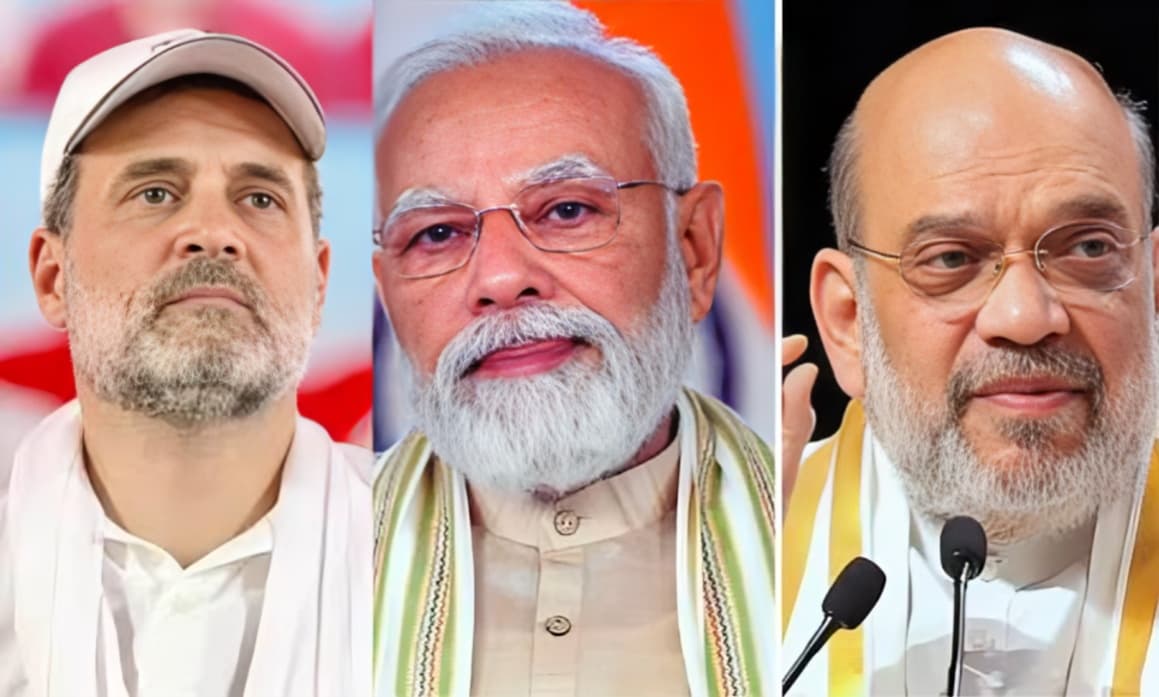
Rahul Gandhi Criticises Centre Over Tata Sons Leadership Dispute
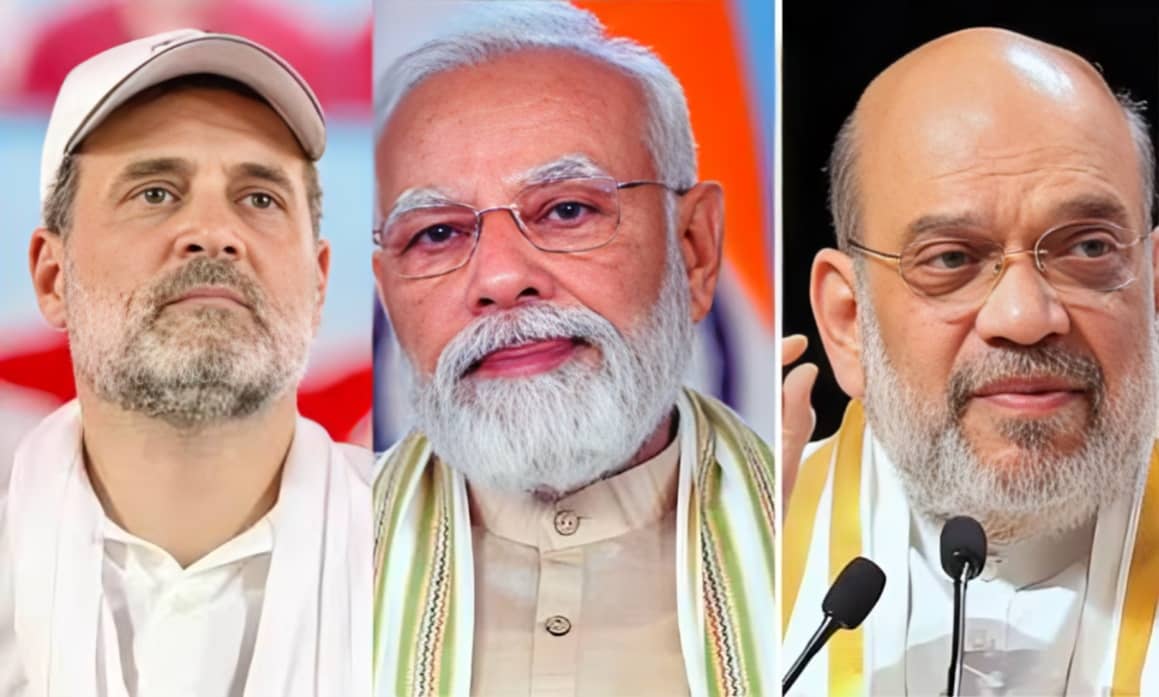
Congress leader Rahul Gandhi has criticised Prime Minister Narendra Modi and Union Home Minister Amit Shah over what he describes as the treatment of Indian businesses by the BJP-led government. His remarks come amid a leadership dispute at Tata Sons, bringing renewed attention to corporate governance, transparency and decision-making within one of India's most prominent business groups.
The controversy centres on objections reportedly raised by Noel Tata regarding the proposed reappointment of N Chandrasekaran as chairman of Tata Sons. The disagreement has drawn attention to the procedures followed by the company's board and the questions surrounding the legitimacy of the resolution concerning Chandrasekaran's continued leadership.
Rahul Gandhi has linked the developments at Tata Sons to his broader criticism of the central government. By describing Indian businesses as being treated like playthings, he has raised concerns about the environment in which major companies operate and the importance of protecting the independence of business institutions.
The political criticism has added another dimension to the ongoing corporate dispute. While the disagreement concerns internal leadership and board procedures, Gandhi's comments have brought the issue into the wider political debate over the government's relationship with India's business community.
Disagreement Over Tata Sons Leadership
Tata Sons serves as the principal holding company of the Tata Group, which has businesses across several sectors, including information technology, manufacturing, automobiles, consumer products and hospitality. Leadership decisions at the holding company are therefore significant for the wider group and its stakeholders.
The reported disagreement involves Noel Tata's objections to the proposed reappointment of N Chandrasekaran. The objections reportedly concern procedural irregularities and a lack of transparency in the decision-making process. Questions have also been raised about the validity of the board resolution while the objections remain unresolved.
The central issue is whether the procedures followed in considering the reappointment adequately address the concerns raised within the company's leadership. Corporate boards are expected to follow established rules, maintain appropriate records and ensure that major decisions are made through transparent and accountable processes.
However, the available account does not establish that any procedural violation has been formally proven. The objections and questions surrounding the resolution should therefore be distinguished from a confirmed finding of wrongdoing. The company's formal position and any relevant official documentation would be important for establishing the complete details of the dispute.
Rahul Gandhi's Criticism of the Government
Rahul Gandhi's remarks reflect his broader political criticism of the BJP-led government and its approach to major Indian businesses. By referring to the Tata Sons dispute, he has sought to highlight concerns about the treatment of business institutions and the importance of maintaining a fair and predictable corporate environment.
The Congress leader's criticism places the issue within a larger debate about the relationship between political leadership and private enterprise. Businesses depend on stable policies, predictable regulations and effective institutions to make long-term investments and expand their operations.
At the same time, corporate governance disputes are generally addressed through a company's internal procedures, applicable laws and the relevant legal or regulatory mechanisms. Political criticism does not, by itself, determine whether a corporate decision is valid or whether a procedural violation has occurred.
The allegations made by political leaders must therefore be considered separately from the facts established through official records. The available information does not independently establish that the central government intervened in the Tata Sons leadership decision.
Why Corporate Governance Matters
Corporate governance refers to the systems and procedures through which companies are directed, managed and held accountable. It includes the responsibilities of directors, the role of shareholders, board decision-making procedures and the disclosure of relevant information.
In large business groups, leadership appointments can influence strategic planning, investment decisions, organisational stability and relationships with stakeholders. Transparent procedures are particularly important when disagreements arise among senior leaders or members of a company's governing bodies.
When objections are raised about a board resolution, the company may need to examine the relevant rules, meeting records and decision-making procedures to determine whether the process complied with its governing framework. Clear communication can also help reduce uncertainty among shareholders, employees, investors and other stakeholders.
The Tata Sons dispute highlights why procedural questions can attract attention beyond the individuals directly involved. The manner in which disagreements are handled can influence perceptions of accountability and confidence in the company's governance arrangements.
Wider Implications for Indian Businesses
India's business environment includes companies of different sizes, from major corporate groups to small enterprises and emerging businesses. These organisations depend on a combination of effective governance, regulatory certainty and a stable economic environment.
Political debates about corporate leadership can raise broader questions about the relationship between the government and private businesses. However, it is important to distinguish criticism of government policy from evidence of direct government involvement in a particular company's internal affairs.
For investors and business stakeholders, the most important considerations are whether companies follow their established governance procedures, whether leadership decisions are properly documented and whether disputes are addressed through appropriate channels.
The Tata Sons controversy has brought these issues into public discussion. Rahul Gandhi's criticism has added a political dimension, while the reported objections concerning Chandrasekaran's proposed reappointment have focused attention on the company's internal decision-making process.
The next developments will depend on how the concerns raised within Tata Sons are addressed and whether the company provides further clarification about the disputed resolution. Official statements and relevant corporate records would help establish the precise nature of the disagreement and the status of the proposed appointment.
For now, the issue combines a corporate leadership disagreement with a wider political debate about business independence, transparency and accountability in India. The distinction between allegations, political statements and verified findings remains essential to understanding the controversy accurately.