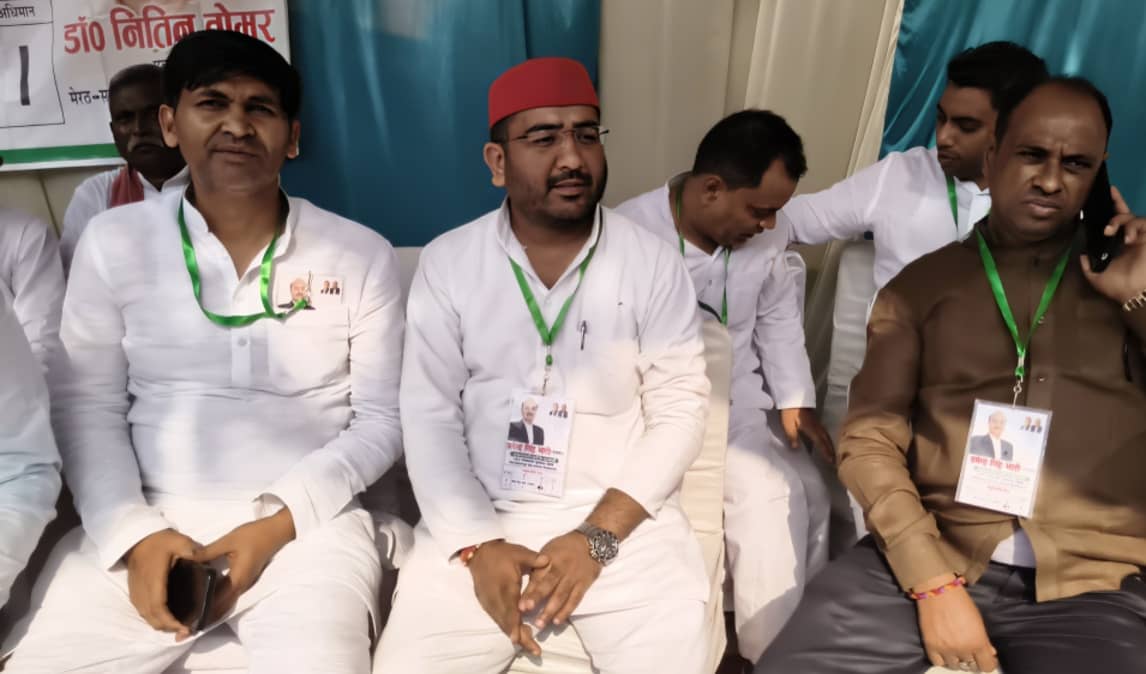
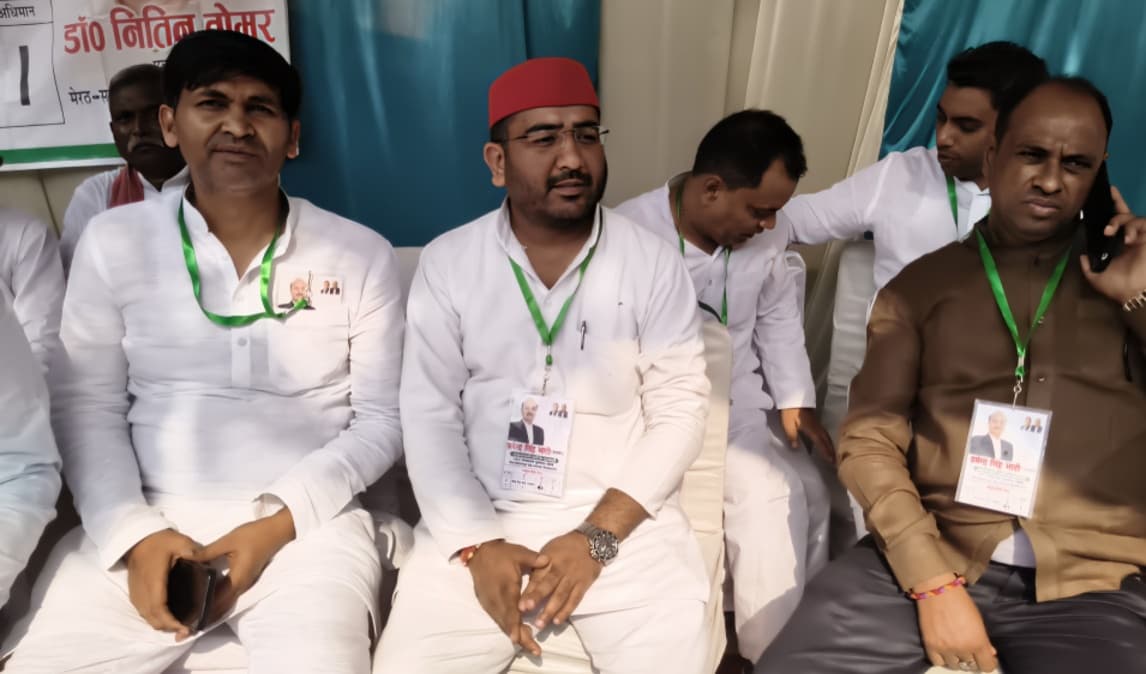
The Uttar Pradesh Legislative Council election counting process has come under scrutiny following allegations of irregularities raised by Samajwadi Party leaders. The controversy intensified after Sanjayan Tripathi and Rajeev Yadav boycotted the vote counting process in Gorakhpur, alleging that the proceedings were not being conducted fairly.
The leaders accused election officials of favouring the Bharatiya Janata Party candidate and questioned the transparency of the counting process. Their allegations have added to the political tensions surrounding the Uttar Pradesh Legislative Council elections, with the Samajwadi Party raising concerns about the fairness of the electoral procedures.
According to Tripathi, the counting process reportedly changed after three rounds, at a time when Rajeev Yadav was leading. He questioned why the process had changed and suggested that the developments raised doubts about whether the outcome had been predetermined. These statements reflect the party leaders' allegations, but the available information does not independently establish that the counting process was manipulated.
The boycott by the two leaders brought their objections into public attention and raised questions about the procedures followed during the counting process. The allegations have also highlighted the importance of transparent vote counting and clear communication from election authorities when candidates raise formal objections.
Samajwadi Party Candidates Question Counting Procedures
Vote counting is a crucial stage of any election, as the results determine which candidates have secured the required support. Election authorities are responsible for ensuring that votes are counted according to established procedures and that candidates and their representatives can raise objections through the appropriate channels.
In Gorakhpur, Sanjayan Tripathi and Rajeev Yadav reportedly decided to boycott the counting process because of their concerns about the proceedings. Tripathi stated that the counting process shifted after three rounds when Yadav was leading. He questioned the circumstances surrounding the change and raised concerns about the fairness of the process.
The allegations have prompted attention to how counting rounds are conducted, how results are recorded and how concerns raised by candidates are addressed. Such questions are particularly significant in closely contested elections, where differences in vote totals can influence the final outcome.
However, a change in the counting process or a candidate's decision to boycott proceedings does not, by itself, prove electoral malpractice. Establishing whether irregularities occurred would require an examination of official counting records, relevant election procedures and any formal complaints submitted to the authorities.
The Election Commission and the officials responsible for conducting the election play an important role in addressing disputes and ensuring that established rules are followed. Any formal investigation or clarification would help determine the facts surrounding the allegations made in Gorakhpur.
Concerns Raised Over Electoral Rolls in Bareilly Moradabad
The controversy also extended to the Bareilly Moradabad constituency, where Danish Akhtar raised concerns about alleged irregularities in the electoral rolls. He questioned the role of the Election Commission in ensuring that the voter lists used for the election were accurate and properly maintained.
Electoral rolls are an essential part of the election process because they establish who is eligible to vote in a particular constituency. Errors in voter lists can lead to disputes over voter eligibility, missing names, incorrect entries or other administrative issues.
Maintaining accurate electoral rolls requires careful verification and compliance with the rules governing voter registration. Election authorities are responsible for providing procedures through which eligible voters and candidates can raise concerns about the accuracy of the lists.
Akhtar's allegations have drawn attention to the importance of examining voter records and responding to complaints through the appropriate channels. However, the claims concerning the Bareilly Moradabad constituency have not been independently established in the information available.
A clear response from the relevant election authorities, supported by official records, would be necessary to determine the nature and extent of the alleged irregularities.
Election Commission's Role in Addressing Complaints
The Election Commission has an important responsibility to oversee electoral procedures and ensure that elections are conducted in accordance with applicable rules. This includes monitoring the counting process, maintaining the integrity of electoral records and providing mechanisms for addressing complaints.
When candidates raise concerns about counting procedures or electoral rolls, the relevant authorities may examine the available records and determine whether further action is required. Transparent explanations and timely responses can help reduce uncertainty and maintain public confidence in the electoral process.
In the present controversy, the allegations raised by Samajwadi Party leaders have focused on both the counting process in Gorakhpur and the electoral rolls in Bareilly Moradabad. These are separate issues and would need to be examined independently based on the relevant records and complaints.
The allegations should not be treated as established findings unless supported by official evidence or a formal determination by the competent authority. At the same time, complaints from candidates can be addressed through the appropriate procedures to establish whether the election rules were followed.
Political Implications of the Controversy
The allegations have added to the political debate between the Samajwadi Party and the Bharatiya Janata Party in Uttar Pradesh. The Samajwadi Party leaders' accusations of bias have raised questions about the neutrality of election officials and the safeguards available to candidates during vote counting.
Election-related disputes can become politically significant when candidates question the fairness of the process. Such controversies may also influence public perceptions of electoral institutions and increase demands for transparency.
For political parties, the ability to challenge suspected irregularities through established procedures is an important part of electoral accountability. For election authorities, responding to complaints with clear explanations and relevant evidence is essential to maintaining confidence in the process.
The developments in Gorakhpur and Bareilly Moradabad have therefore brought attention to the need for accurate electoral rolls, transparent counting procedures and effective complaint mechanisms.
What Happens Next
The next developments will depend on whether the allegations are formally examined and whether election authorities issue any clarification regarding the disputed procedures. Official counting records, electoral roll documents and any complaints filed by the candidates would be important in determining the facts.
The boycott by Sanjayan Tripathi and Rajeev Yadav has highlighted their objections to the counting process in Gorakhpur, while Danish Akhtar's concerns have brought attention to the electoral rolls in Bareilly Moradabad.
For now, the controversy remains centred on allegations raised by Samajwadi Party leaders. Any conclusions about wrongdoing would require verification through official records and the findings of the relevant authorities.
The issue underlines the importance of ensuring that election procedures are followed consistently and that complaints are addressed fairly. Transparent handling of the allegations will be important for maintaining confidence in the Uttar Pradesh Legislative Council election process.