ABVP Locks BHU Vice-Chancellor’s Office After 18-Day Student Protest
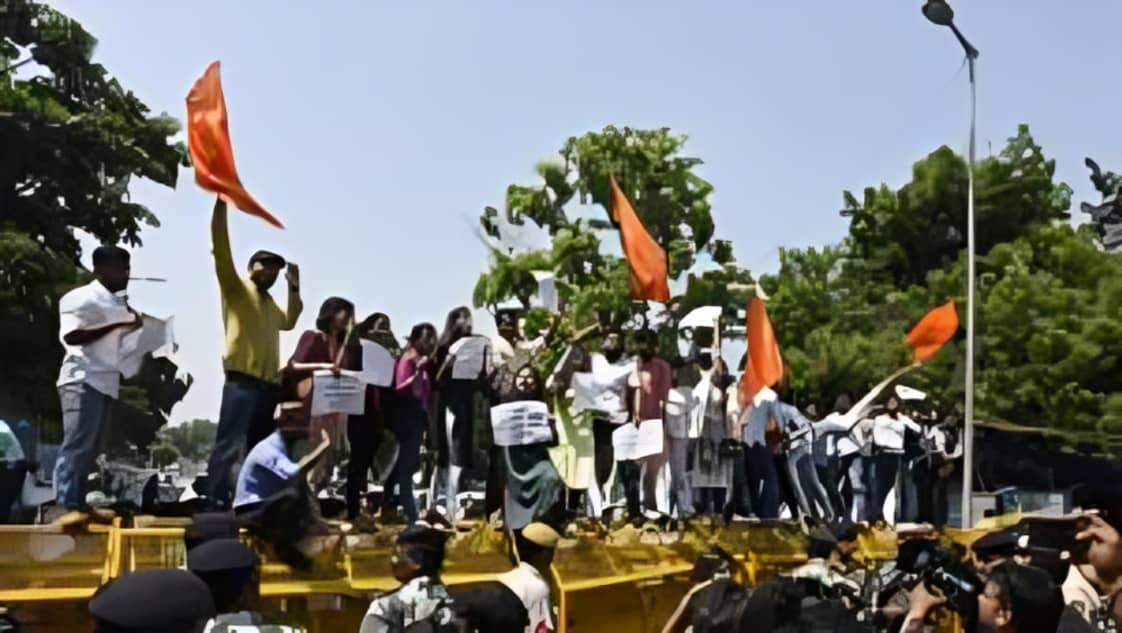
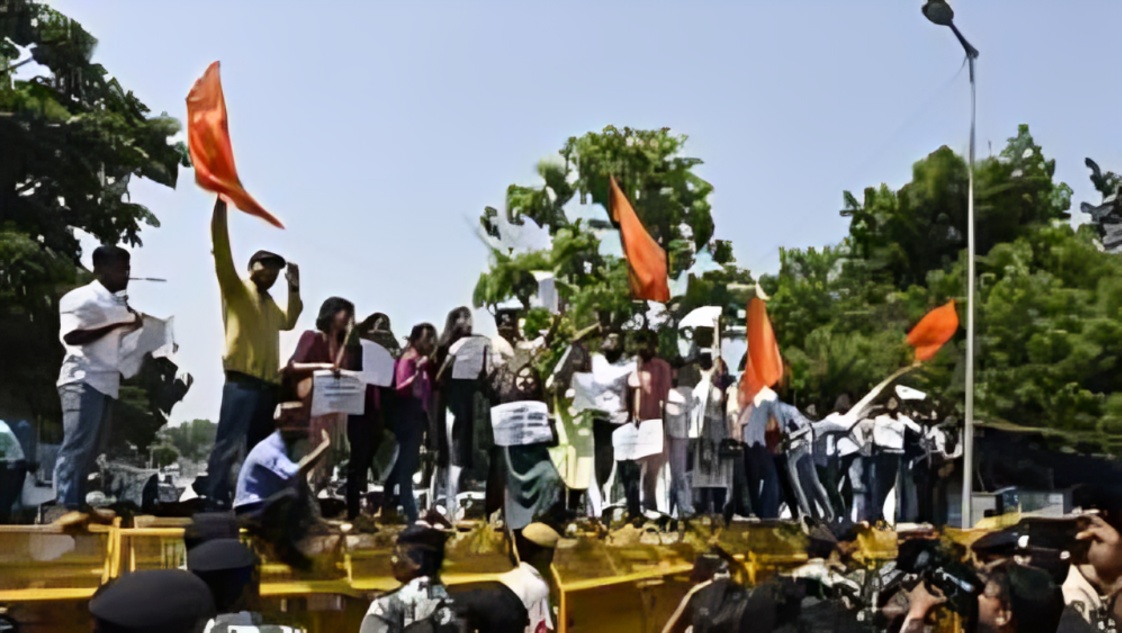
Varanasi, Uttar Pradesh: Activists of the Akhil Bharatiya Vidyarthi Parishad (ABVP) locked the Vice-Chancellor’s office at Banaras Hindu University (BHU) on October 15, protesting what they described as delays in addressing student concerns following an 18-day agitation. The students raised issues related to hostel facilities, campus safety, roads, electricity, water supply and other basic amenities.
The protest took place after ABVP members said they had not received the formal written order they expected on demands discussed with the university administration during the earlier agitation. The activists alleged that several concerns remained pending despite repeated representations to university officials and the relevant committees.
The development brought renewed attention to student welfare and administrative accountability at one of India’s prominent central universities. Reports published later on October 15 stated that the university administration issued a written order covering several demands, after which the students ended their renewed sit-in.
Why Did ABVP Protest at BHU?
According to ABVP activists, the organisation had conducted an indefinite protest for 18 days to press for action on issues affecting students. The agitation focused on basic campus facilities, hostel-related problems, student safety and administrative decisions concerning student welfare.
The protesters said they had repeatedly brought these matters to the attention of the university administration and relevant departments. They also claimed that letters and representations had been submitted seeking corrective action.
The organisation maintained that the end of the earlier protest did not mean that all the demands had been resolved. Its members said they were expecting a formal written communication setting out the decisions taken by the administration.
When the expected document was not made available within the period they anticipated, the activists returned to the Vice-Chancellor’s office and staged another protest. They locked the office to register their dissatisfaction and demand a clear response from the university.
The allegations concerning administrative delays were made by the protesting students. The university’s subsequent written order marked a further development in the dispute.
Hostel Facilities and Campus Safety Among Key Demands
Hostel conditions and student safety were among the major issues highlighted by the protesters. Students depend on university accommodation and campus facilities for their daily lives, particularly when they come from other cities or states to pursue higher education.
ABVP activists also raised concerns about roads and essential services, including electricity and water supply. They argued that these facilities are necessary for maintaining a safe and suitable learning environment.
Campus security was another significant issue. Students and university authorities have a shared interest in ensuring that academic buildings, hostels, roads and public spaces remain safe and accessible. Measures such as adequate lighting, functioning surveillance systems and effective security arrangements can form part of a broader campus safety plan.
The protesters called for their concerns to be addressed through clear decisions and a time-bound process. Their demands also included changes concerning the handling of student disciplinary matters.
The specific implementation of these measures will depend on the university’s official orders, the responsibilities assigned to relevant committees and the progress made in carrying out the decisions.
Dispute Over the Written Order
A central point of contention was the written communication expected after the earlier agitation. According to reports quoting the activists, a letter issued by the university’s Lokpal, Sukhmahendra Singh, had referred to the processing of the students’ demands and the need for an official order.
The students alleged that the expected order had not been issued within the stated period. They questioned the delay and sought clarification from the university administration.
The renewed protest followed their attempt to obtain a concrete response. The activists said that general assurances were not sufficient and that students needed written decisions outlining the action to be taken.
The dispute illustrates the importance of clear communication when universities negotiate with student representatives. Written orders can help establish which demands have been accepted, which measures require further examination and which officials or committees are responsible for implementation.
However, the students’ allegations about delays should be distinguished from the administration’s documented response. Reports published later on October 15 stated that a written order was issued after the renewed sit-in began.
University Issues Order on Several Demands
According to reports from Varanasi, the university administration issued a written order addressing several of the issues raised by the students. The measures reportedly included separating the Chief Proctor from certain student-related matters and providing students with an appeal mechanism against disciplinary action.
The order also referred to campus security improvements, including CCTV cameras and lighting. Other reported provisions included a committee to examine concerns relating to security arrangements, speeding vehicles and basic facilities, with a decision expected within 45 days on specified matters.
The reported arrangements included periodic reviews of campus security and infrastructure work. These steps are intended to provide a structured process for considering the demands rather than leaving them as general assurances.
The exact scope and implementation of each measure should be assessed using the university’s official order. A commitment to review an issue within a specified period does not necessarily mean that the issue has already been fully resolved.
Following the issuance of the written order, the students ended their renewed sit-in, according to reports published on October 15.
Importance of Student Welfare and Administrative Accountability
The episode highlights the role of student organisations in raising concerns about facilities, safety and university administration. Student protests can bring attention to problems that members believe require urgent action, while university authorities must balance student welfare with institutional rules and administrative responsibilities.
A clear process for recording demands, communicating decisions and monitoring implementation can help prevent disagreements from escalating. Written orders, designated review committees and defined timelines can also make it easier for students to understand how their concerns are being handled.
At the same time, the effectiveness of the reported measures will depend on implementation. Improvements to lighting, surveillance, hostel facilities and essential services require appropriate planning, funding and follow-up.
The latest developments indicate that the dispute moved from a renewed protest to a written administrative response. Students ended their sit-in after receiving the order, but the practical outcome will depend on whether the announced measures are implemented within the stated timelines.
For now, the BHU episode remains a significant campus development involving student demands, administrative communication and proposed improvements to campus facilities. Further updates from the university will be important in determining how the outstanding issues are addressed.