Chandrababu Naidu Reaches Out to Southern Chief Ministers to Promote Regional Cooperation
Amaravati: Andhra Pradesh Chief Minister N. Chandrababu Naidu is seeking to strengthen cooperation among southern Indian states by reaching out to chief ministers across political parties. The initiative, described in recent reports as an effort to build a Southern Alliance, focuses on common regional challenges, particularly water management, inter-state water-sharing disputes and proposals to interlink rivers.
Naidu, a key ally of the BJP-led National Democratic Alliance government at the Centre, is seeking to bring leaders from different political backgrounds into discussions on issues that affect several states. The outreach comes at a time when southern states are dealing with competing demands for water for drinking purposes, agriculture and industrial development.
The initiative is also intended to encourage dialogue on regional development and economic growth. Although political differences remain between several southern parties, cooperation on water resources could provide an opportunity for state governments to discuss practical solutions to shared problems.
Vijayawada Utsav Provides an Opportunity for Dialogue
The second edition of Vijayawada Utsav has become an important platform for Naidu's outreach. The cultural festival in Andhra Pradesh's capital has brought together political leaders and other prominent guests, offering opportunities for discussions beyond formal government meetings.
Naidu reportedly invited chief ministers from across the political spectrum to attend the event. The participation or expected participation of leaders from opposition-ruled states has attracted attention because the initiative crosses established party lines.
Tamil Nadu Chief Minister C. Joseph Vijay met Naidu in Vijayawada on October 13. Their discussions included the sharing of Krishna River water and proposals for interlinking rivers in southern India.
Telangana Chief Minister A. Revanth Reddy was reported to have accepted an invitation to attend the festival. Karnataka Deputy Chief Minister D. K. Shivakumar, who was also expected to attend, reportedly conveyed that he would be unable to participate because of another official engagement.
These invitations and meetings reflect an attempt to keep communication open among leaders whose governments may have different political priorities and interests. However, the outreach should not be interpreted as confirmation that a formal political alliance has been established.
Water Sharing at the Centre of the Initiative
Water management is one of the principal issues behind Naidu's efforts to promote regional cooperation. Southern states depend on several river systems that cross state boundaries, making coordination important for irrigation, drinking-water supplies and other requirements.
Disputes over the allocation and use of river water have long affected relations among states, including Andhra Pradesh, Telangana, Tamil Nadu and Karnataka. Differences can become particularly sensitive during periods of inadequate rainfall, drought or increased demand for water.
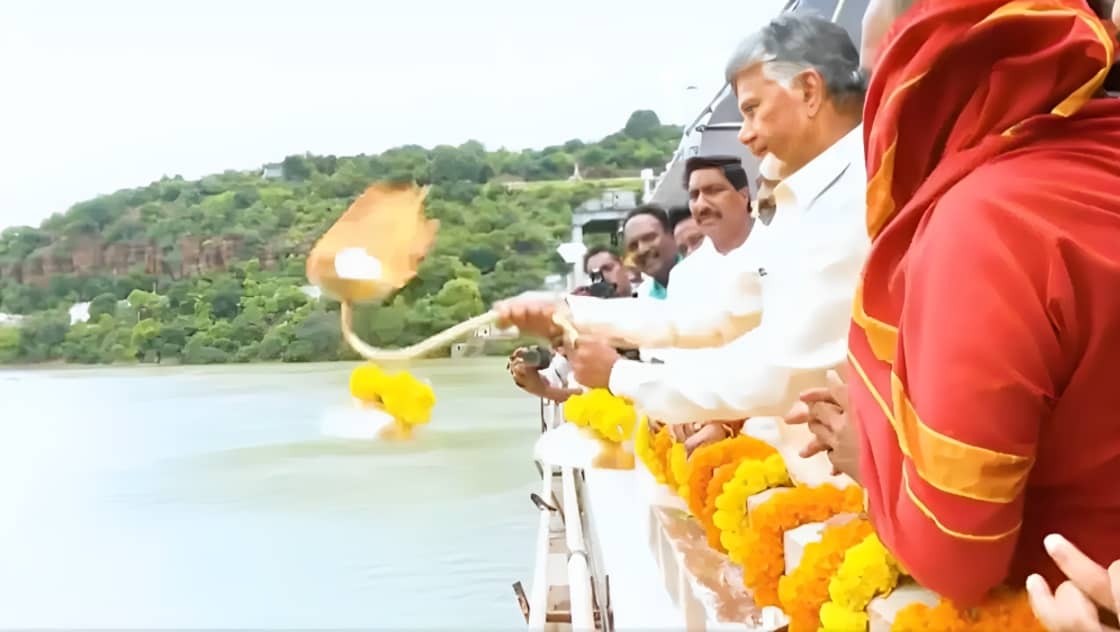
Naidu has advocated a cooperative approach to managing these resources. During his meeting with Prime Minister Narendra Modi in October, he reportedly proposed creating a national water grid through river interlinking. He argued that improved connections between rivers could help address water shortages across southern India.
The chief minister has also stressed the importance of using available water resources efficiently and coordinating development projects between states. Such proposals, however, require detailed technical assessments, environmental reviews, financial planning and agreement among the governments concerned.
Godavari–Cauvery River Link Proposal
The proposed Godavari–Cauvery river-linking project is among the major initiatives discussed in the context of southern water cooperation. The proposal involves transferring water between river basins to improve availability in areas facing shortages.
During the October 13 meeting, Naidu and Vijay discussed the proposed project alongside the supply of Krishna River water to Chennai. The discussions highlighted Tamil Nadu's water requirements and Andhra Pradesh's interest in improving regional water management.
Supporters of river interlinking argue that transferring water from areas with surplus availability to water-stressed regions could benefit agriculture, drinking-water supply and economic activity. They also believe coordinated planning could help states manage changing rainfall patterns and seasonal shortages.
However, river-linking projects are complex undertakings. Their feasibility depends on factors such as water availability, the needs of communities in the source and receiving basins, construction costs, environmental impacts and the legal rights of participating states.
The Union government has previously reported progress on several river-linking proposals, but the status varies by project. The Godavari–Cauvery proposal should therefore be treated as a proposal under discussion, rather than a completed project or a fully agreed arrangement between all affected states.
Political Differences and Regional Interests
Naidu's outreach has a political dimension because the chief ministers of southern states represent different parties and alliances. While Andhra Pradesh is governed by the Telugu Desam Party, Tamil Nadu, Telangana and Karnataka have their own political priorities and regional concerns.
Bringing these leaders together could help create space for discussions on infrastructure, water security, investment and economic development. It could also allow governments to explore areas where cooperation is possible despite disagreements on other political matters.
Naidu's position as an important ally of the BJP-led government at the Centre gives the initiative additional political significance. Nevertheless, the immediate focus described in reports is regional cooperation, particularly on water-related matters.
The success of the effort will depend on whether discussions lead to concrete decisions, agreed procedures and sustained cooperation between state governments. Invitations to a cultural festival and meetings between chief ministers can create opportunities for dialogue, but they do not by themselves resolve long-standing inter-state disputes.
What Happens Next?
Further discussions among the southern states could help clarify their positions on water-sharing arrangements and river-linking proposals. Any progress would require coordination among state governments, relevant central ministries, water-resource authorities and technical experts.
For residents and farmers in water-stressed regions, the central issue is whether cooperation can improve the reliability of water supplies while protecting the needs of communities in the river basins concerned.
Naidu's outreach represents an effort to encourage dialogue across political boundaries. The discussions with Tamil Nadu's chief minister and the invitations extended to other regional leaders have brought water management into focus.
For now, the Southern Alliance is best understood as an emerging cooperation initiative rather than a formally constituted political bloc. Its long-term significance will depend on whether the discussions produce practical outcomes on water security, infrastructure and shared development priorities across southern India.