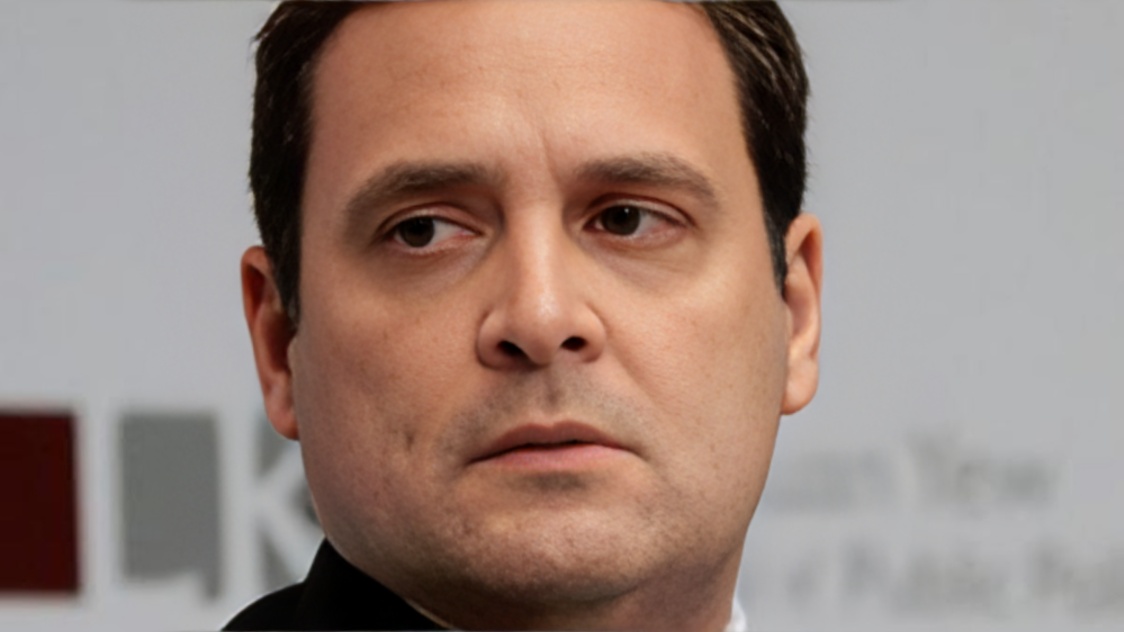
Rahul Gandhi Questions PM Modi Over Marco Rubio’s Upcoming Mumbai Visit
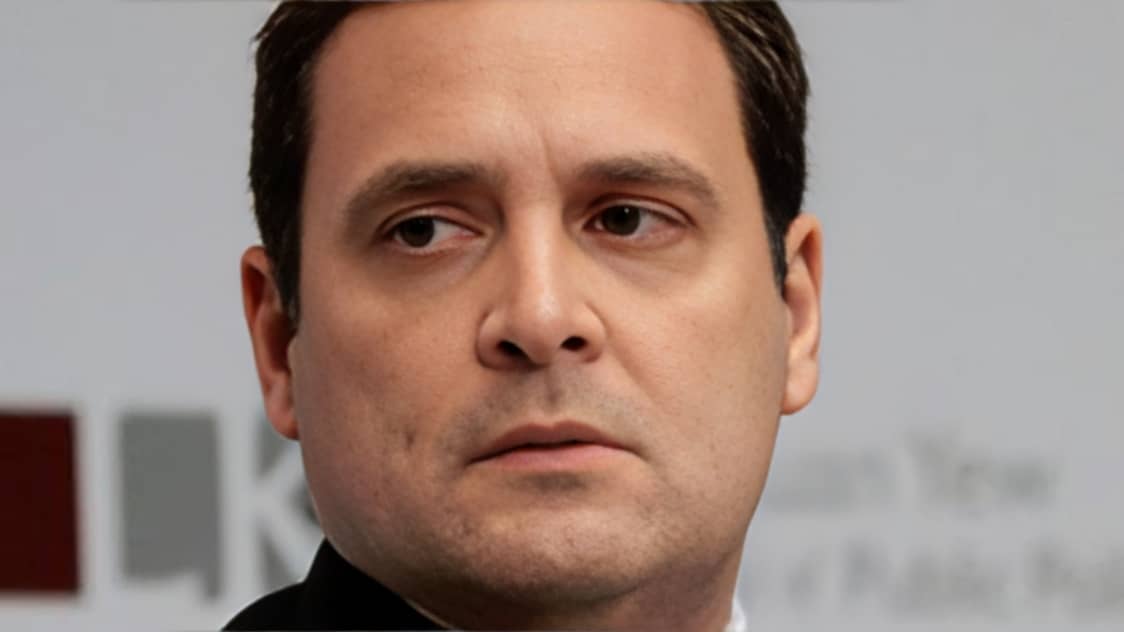
New Delhi, October 16, 2026: Congress leader and Leader of the Opposition in the Lok Sabha Rahul Gandhi has questioned Prime Minister Narendra Modi over the upcoming visit of United States Secretary of State Marco Rubio to India. Gandhi alleged that officials in the Ministry of External Affairs appeared confused about the arrangements for Rubio’s visit and asked the Prime Minister to clarify the situation.
In a post on the social media platform X on Friday, Gandhi criticised the government over the information surrounding the US secretary of state’s planned visit to Mumbai. His remarks came amid a political dispute over the Centre’s communication regarding a possible meeting between Rubio and External Affairs Minister S. Jaishankar.
The Congress has questioned why details about the expected meeting were shared publicly by US Ambassador to India Sergio Gor before the Indian government had provided a clear public announcement.
What Did Rahul Gandhi Say?
In his post on X, Rahul Gandhi said that Rubio had summoned his employee to Mumbai and alleged that officials in India’s External Affairs Ministry were confused about the developments. He then asked Prime Minister Modi to explain the situation, adding that he could do so himself if the Prime Minister did not provide an explanation.
The post was a political criticism of the government’s handling of communication surrounding the diplomatic visit. Gandhi’s remarks followed questions raised by other Congress leaders about the timing and source of information concerning the expected meeting.
The allegation that ministry officials were confused was made by Gandhi. It should not be treated as an independently established finding unless supported by further official information.
Why Has the Congress Questioned the Government?
The controversy began after US Ambassador Sergio Gor spoke about Rubio’s upcoming India visit and indicated that US officials expected External Affairs Minister S. Jaishankar to join the secretary of state for engagements in Mumbai.
Congress general secretary Jairam Ramesh questioned why details about an Indian minister’s domestic official engagements were being announced by the US ambassador rather than through India’s Ministry of External Affairs.
Ramesh argued that the Indian government should communicate details of its own diplomatic engagements through the appropriate official channels. His comments reflected the party’s concerns about the government’s public communication and the handling of diplomatic protocol.
The Congress subsequently criticised what it described as the Centre’s silence on the matter. Rahul Gandhi’s post added to the political debate by directly asking the Prime Minister to explain the circumstances surrounding the visit.
The disagreement is primarily about communication and transparency. The public statements made by Congress leaders do not, by themselves, establish that a diplomatic protocol violation has occurred.
Marco Rubio’s India Visit
According to reports and information released by the US Department of State, Marco Rubio is scheduled to visit India and Uzbekistan from October 17 to October 22, 2026.
During his India visit, Rubio is expected to travel to Mumbai and Jamnagar. The programme is intended to strengthen the strategic partnership between India and the United States and provide an opportunity to discuss regional and international developments.
Energy cooperation is expected to be one of the important subjects on the agenda. The two countries also have shared interests in trade, technology, investment and defence cooperation.
Rubio is also expected to meet business leaders during his visit to discuss commercial opportunities and closer economic engagement. A business delegation accompanying the US secretary of state is expected to explore investment opportunities and areas of cooperation with Indian businesses.
The trip comes at a time when India and the United States are continuing discussions on trade and other bilateral issues. Differences over tariffs, energy policy and regional developments have contributed to challenges in the relationship.
Against this background, the visit is being viewed as an opportunity for officials from both countries to exchange views and explore ways to strengthen cooperation.
Expected Meeting With S. Jaishankar
External Affairs Minister S. Jaishankar is expected to meet Rubio in Mumbai, according to reports citing statements by US officials. The anticipated meeting is one of the main reasons the visit has attracted political attention in India.
However, the Congress has focused on how information about the proposed engagement was communicated publicly. Its criticism centres on the absence of a clear announcement from the Indian government at the time the US ambassador spoke about the expected meeting.
Official confirmation of the meeting schedule and any changes to the programme should be checked through statements from India’s Ministry of External Affairs and the US Department of State.
Diplomatic visits often involve coordination between governments, and schedules may be communicated through official briefings, press statements or diplomatic channels. The public debate in this case concerns the timing and source of the information rather than a confirmed cancellation or disruption of the visit.
Wider Context of India US Relations
Rubio’s visit comes amid continuing engagement between New Delhi and Washington on strategic and economic matters. Both countries have sought to expand cooperation in areas including defence, technology, energy and healthcare.
At the same time, trade negotiations and disagreements over tariffs and energy-related policies have created challenges in bilateral relations. The two governments are expected to continue discussing these issues as part of their wider diplomatic engagement.
The planned meetings in Mumbai and Jamnagar are therefore significant beyond the immediate political controversy. They provide an opportunity for both sides to discuss economic cooperation, regional security and shared strategic priorities.
The outcome of the visit will depend on the discussions held and any agreements or announcements made by the two governments.
What Happens Next?
The next developments will include the official programme for Rubio’s India visit and any confirmation from the Ministry of External Affairs regarding his expected meeting with Jaishankar.
Rahul Gandhi’s remarks have intensified the political debate over the government’s communication surrounding the visit. The Congress has called for greater clarity, while the diplomatic programme is expected to focus on bilateral cooperation and regional issues.
For now, the dispute remains a political criticism of the government’s handling of information about the visit. The allegation of confusion within the ministry has been made by the opposition and should be reported as such unless official evidence establishes otherwise.
The visit itself is expected to provide an opportunity for India and the United States to discuss strategic ties, energy cooperation and economic engagement. Further official announcements will clarify the final schedule and the issues addressed during the meetings.