Delhi Ramlila Committee Plans 30-Foot Cockroach Effigy for Dussehra
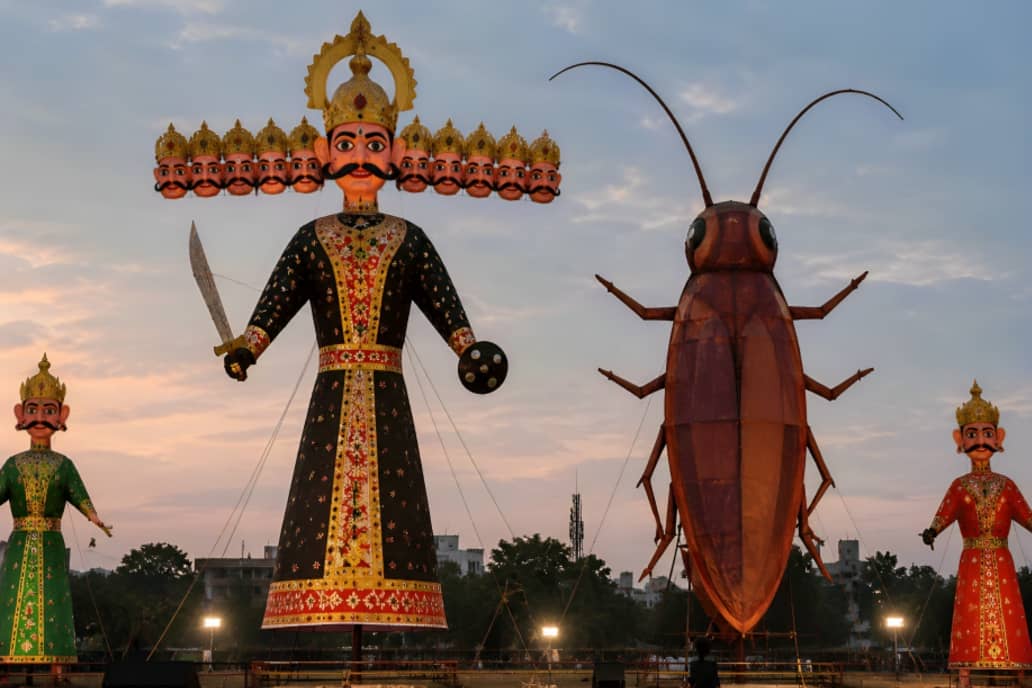
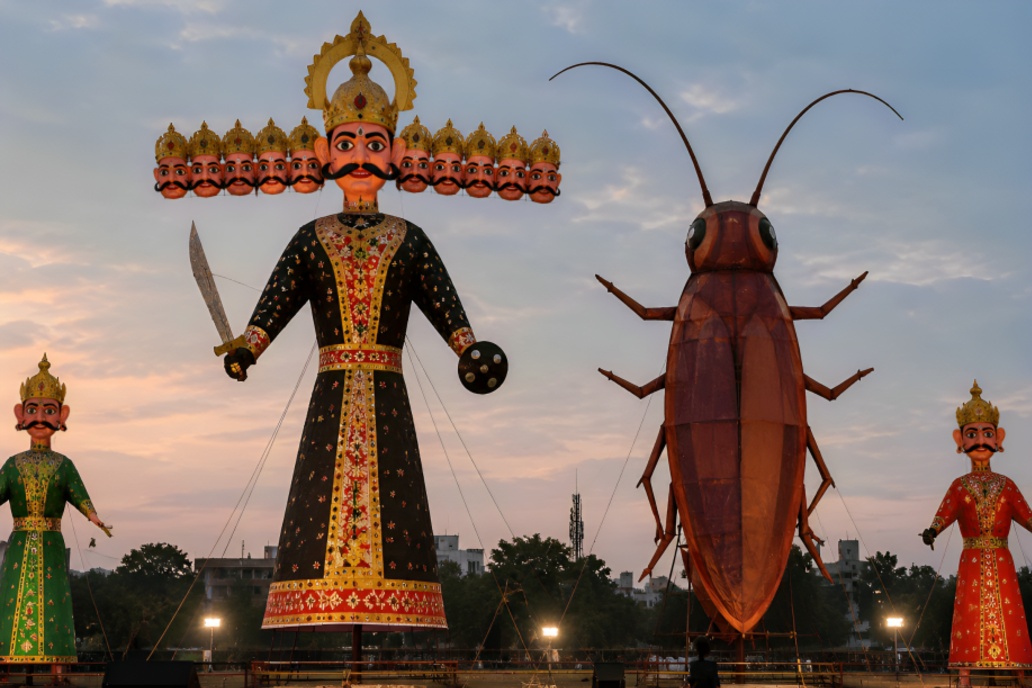
New Delhi: This year’s Dussehra celebrations in Delhi’s Pitampura are set to feature an unusual addition, with the Shri Keshav Ramlila Committee planning to burn a 30-foot-tall cockroach effigy alongside the traditional figures of Ravana, Kumbhakarna and Meghnad. The committee says the initiative is intended to highlight the importance of cleanliness and draw attention to unhygienic conditions in homes, neighbourhoods and society.
Ashok Goel Devaraha, president of the Shri Keshav Ramlila Committee and a Member of the Legislative Assembly from Model Town, said the effigy represents dirt and the need to eliminate filth from public and private spaces. According to reports, the effigy will be set alight at the committee’s Ramlila grounds in Pitampura, near the Netaji Subhash Place area.
A New Addition to the Traditional Celebration
Dussehra, also known as Vijayadashami, is celebrated in many parts of India to mark the victory of good over evil. One of the festival’s best-known traditions is the burning of effigies representing Ravana, Kumbhakarna and Meghnad, characters associated with the Ramayana.
The Shri Keshav Ramlila Committee says its decision to introduce an additional effigy follows its earlier practice of using the festival to highlight issues affecting the country. In previous years, the committee has reportedly burned effigies representing problems such as terrorism and Naxalism.
This year, the committee has chosen a cockroach as a symbol of filth and unhygienic surroundings. The organisers say the message is intended to encourage people to pay greater attention to cleanliness in their homes, immediate surroundings and wider communities.
The proposed effigy, standing 30 feet tall, is expected to become a prominent feature of the celebration. Organisers have described it as a symbolic addition to the traditional event rather than a replacement for the customary effigies.
Organisers Emphasise Cleanliness
According to statements reported by news agencies, the committee’s stated objective is to raise public awareness about cleanliness. The initiative has been associated with the broader objectives of the Swachh Bharat and Swachh Delhi cleanliness campaigns.
Maintaining clean residential areas and public spaces is an important civic responsibility. Accumulated waste, poorly maintained drains and unhygienic surroundings can create conditions that attract pests and affect community well-being. Through the proposed effigy, the organisers say they want to communicate the need to address such problems at the household and neighbourhood levels.
The committee’s president has also said that the decision follows the traditional message of Dussehra, which symbolises the triumph of good over evil. By adding a contemporary social issue to the event, the organisers intend to connect the festival’s familiar symbolism with concerns about cleanliness.
However, the burning of an effigy is a symbolic public-awareness activity. Its practical impact will depend on whether the message encourages people and local authorities to take sustained action on waste management, sanitation and the maintenance of public spaces.
Announcement Comes Amid CJP Protests
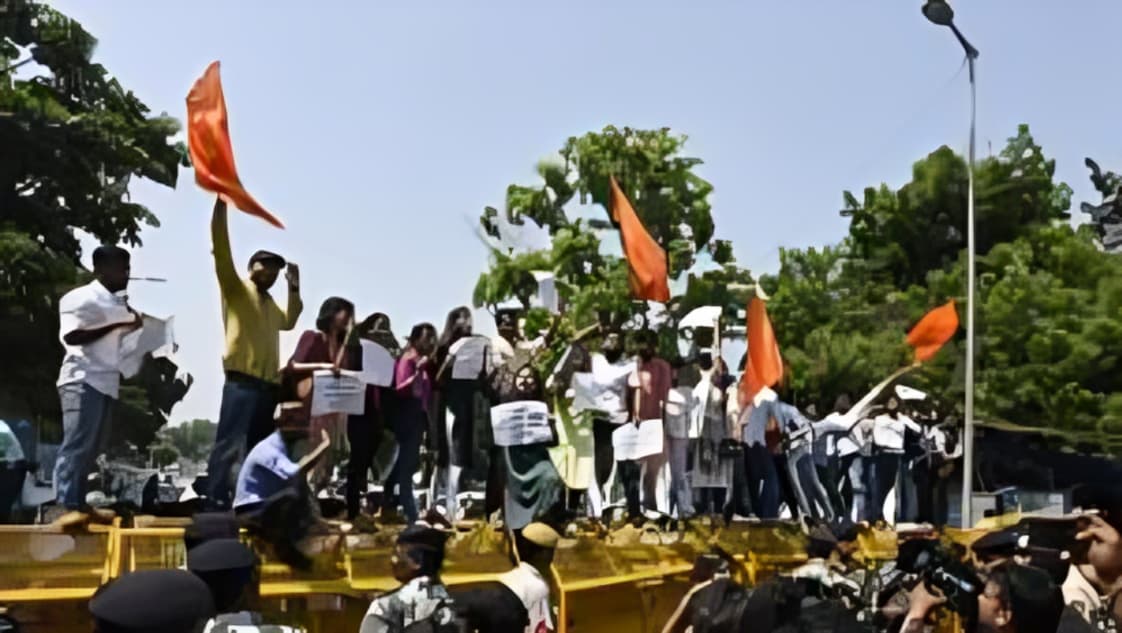
The planned cockroach effigy has drawn attention because it comes amid protests by the Cockroach Janata Party, commonly referred to as CJP, in the national capital. The group has been involved in demonstrations related to demands for the resignation of Chief Election Commissioner Gyanesh Kumar over alleged irregularities in the electoral-roll revision process.
These allegations form part of a wider political dispute. Claims made by protesters should be distinguished from established findings, and the Election Commission’s position and any official developments should be considered when assessing the controversy.
The timing of the Ramlila committee’s announcement has therefore attracted public and media attention. However, the committee has said that its effigy is intended to represent filth and promote cleanliness. Reports quoting the organisers indicate that they have denied that the decision was driven by political considerations.
The presence of the CJP protests in the broader news context does not, by itself, establish that the effigy is directed at the group. The committee’s stated explanation remains the basis for describing the purpose of the planned display.
Public Interest and Festival Traditions
The decision illustrates how organisers of public festivals sometimes incorporate contemporary social messages into traditional celebrations. Ramlila events, which depict episodes from the Ramayana, attract audiences through performances, cultural activities and the customary burning of effigies during Dussehra.
The proposed 30-foot cockroach is an unusual addition to that tradition. It is intended to draw attention to cleanliness while retaining the familiar ritual involving Ravana and other figures from the epic.
As the event approaches, public discussion is likely to focus on both the symbolism of the effigy and the circumstances surrounding its announcement. The committee’s stated message is that filth and unhygienic conditions should be addressed in homes, neighbourhoods and society.
The planned burning will take place at the Shri Keshav Ramlila Committee grounds in Pitampura, Delhi. Further details about the event should be confirmed through the organisers or reliable news updates.
The development combines a traditional Dussehra ritual with a contemporary cleanliness message, while the coincidence with CJP protests has added a political dimension to public discussion. The organisers, however, maintain that the effigy is intended to promote cleanliness rather than convey a political message.