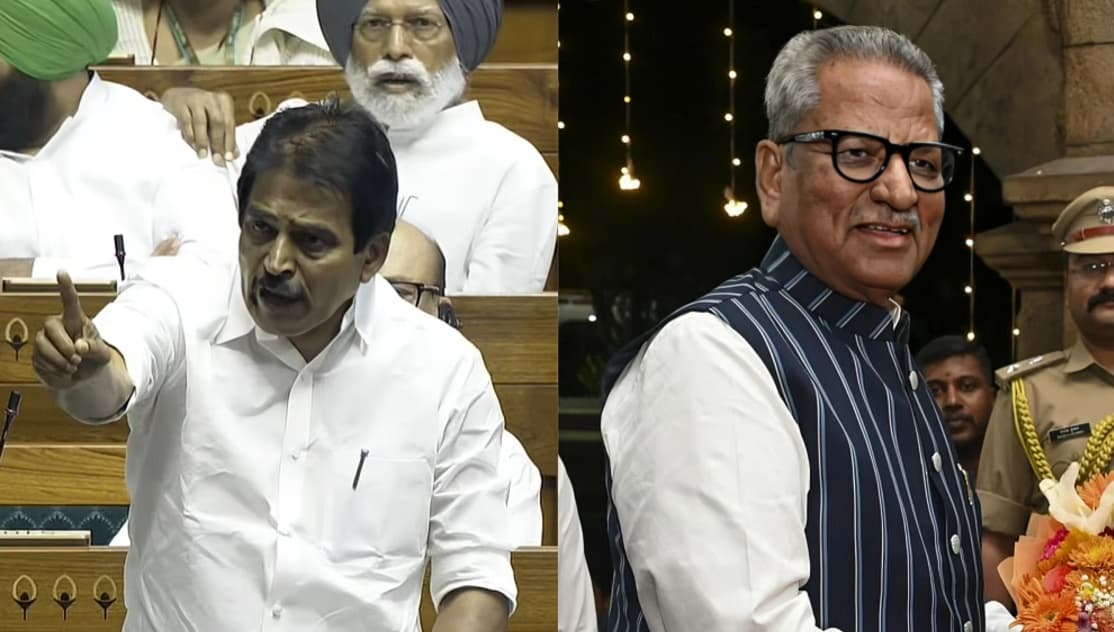
This critique marks a significant moment in the ongoing political rivalry between the two major parties in Uttar Pradesh.
Mayawati's Criticism
Mayawati, known for her assertive stance and outspoken nature, has not held back in her assessment of the SP's decision-making. She has argued that the appointment process for the Leader of Opposition was flawed and lacked transparency. According to her, the SP’s choice does not reflect the democratic values and principles that should guide such significant decisions.
Her comments suggest that the SP's leadership did not adequately consider the broader political implications and the expectations of the electorate. Mayawati's critique underscores her belief that the appointment should have been more inclusive and reflective of a wider consensus within the opposition ranks.
Political Context
The criticism comes against the backdrop of a highly competitive political environment in Uttar Pradesh. The appointment of the Leader of Opposition is a critical role, responsible for holding the government accountable and representing the voice of the opposition in the legislative assembly. In this context, Mayawati’s disapproval highlights the ongoing power struggle and the quest for political dominance between the BSP and the SP.
Mayawati's strong stance can also be seen as a strategic move to assert her party’s position and influence in state politics. By challenging the SP’s decisions, she aims to consolidate her support base and project the BSP as a credible and principled alternative to the SP.
Implications for Uttar Pradesh Politics
This public spat between Mayawati and Akhilesh Yadav’s SP is likely to have significant repercussions for the political landscape of Uttar Pradesh. It could potentially influence voter perceptions and alignments ahead of future elections. The BSP’s criticism of the SP may resonate with sections of the electorate who are disillusioned with the current opposition leadership, thereby boosting Mayawati's standing.
Furthermore, this episode underscores the fragmented nature of opposition politics in Uttar Pradesh. Instead of presenting a united front against the ruling party, the opposition remains divided, with internal conflicts and power struggles overshadowing collective efforts.
Conclusion
Mayawati’s criticism of the Samajwadi Party over the appointment of the Leader of Opposition reflects deeper political undercurrents and strategic maneuvering in Uttar Pradesh’s dynamic political arena. It emphasizes the challenges of maintaining unity within the opposition and the continuous battle for influence and leadership. As this political drama unfolds, it remains to be seen how it will shape the future of both parties and the broader political discourse in the state.